


Longevity for Women: What Actually Matters After 40
Longevity is often discussed as if it applies the same way to everyone. But it doesn’t. Women experience aging differently, especially after 40. Hormones shift, metabolism changes, and the strategies that may have worked in your 20s or 30s don’t always work the same way anymore.
And yet, much of the research and advice around longevity has historically been based on men. Women are not “small men.” And when it comes to healthspan, that distinction matters.
What Happens to a Woman’s Body After 40?
One of the biggest shifts happens during perimenopause and menopause. Estrogen levels begin to decline, and this affects far more than just reproductive health.
Estrogen plays a role in:
• bone density
• brain function
• inflammation
As estrogen declines, women may notice changes such as increased abdominal fat, reduced muscle mass, lower energy, and a higher risk of conditions like osteoporosis and heart disease. This is not a failure of the body. It’s a biological transition. But it does require a different approach.
Why Women Often Live Longer Than Men
Statistically, women tend to outlive men.
This is likely due to a combination of biological, hormonal, and lifestyle factors. Estrogen appears to have protective effects on cardiovascular health, particularly before menopause, while genetic differences may also play a role in how women respond to disease and aging.
At the same time, women often engage more in preventive healthcare and may be more likely to seek medical support earlier, which can influence long-term outcomes.
But living longer does not always mean living better. While women often have a longer lifespan, they are also more likely to experience conditions such as osteoporosis, increased frailty, and cognitive decline later in life.
This highlights an important distinction. Longevity is not just about how many years you live, but how well you live them. The goal is not only to extend lifespan, but to maintain strength, independence, and quality of life throughout those years.
What Changed for Me After 40
As a woman in perimenopause myself, I’ve noticed significant changes since entering my 40s. One of the biggest surprises was realising that endless cardio no longer works the way it used to. If anything, too much of it raises my cortisol, increases my appetite, and leaves me feeling worse rather than better.
What actually works for me now is a combination of strength training and shorter, more intentional cardio sessions. Not running for hours every week, but moving smarter. Recovery and sleep have also become non-negotiable in a way they simply weren’t in my 30s.
How Estrogen Affects Heart Health in Women
One of the most overlooked aspects of women’s health is cardiovascular risk. Before menopause, estrogen offers some protection to the heart. After menopause, that protection decreases, and the risk of cardiovascular disease rises significantly. In that situation, HRT can be considered as part of a longevity protocol.
As you understand, heart health becomes a central part of longevity for women after 40. Supporting cardiovascular health through nutrition, movement, and lifestyle is not optional. It’s foundational.
Osteoporosis and Bone Health: A Silent Risk
Bone health is another critical factor. As estrogen declines, bone density can decrease, increasing the risk of osteoporosis and fractures. This often happens quietly, without symptoms, until a fracture occurs.
That’s why prevention matters. Strength training, adequate protein intake, and nutrients like calcium, magnesium, and vitamin D all play a role in maintaining bone health over time.
Why Muscle Matters More Than Ever
One of the most powerful, yet often overlooked, longevity tools for women is muscle.
Muscle supports:
• metabolism
• blood sugar regulation
• bone density
• balance and coordination
• independence later in life
After 40, women naturally begin to lose muscle mass if it’s not actively maintained. This is why strength training and adequate protein intake become essential, not optional.
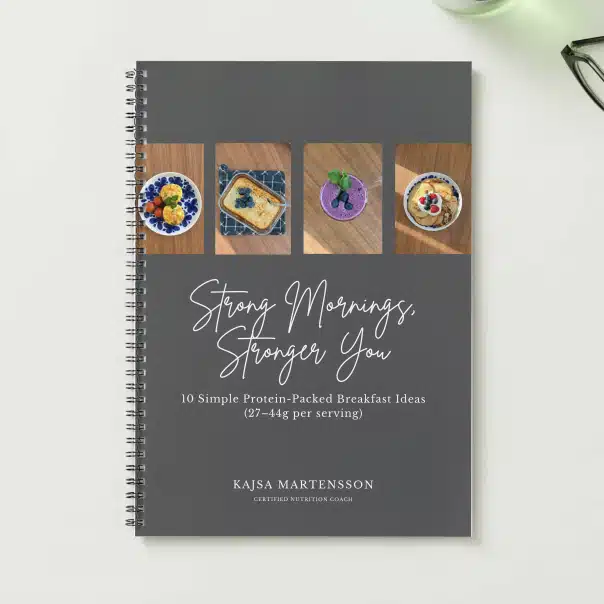
Struggling to Get Enough Protein?
It’s one thing to understand how important protein is for muscle, metabolism, and long-term health. But in practice, it’s not always that easy to get enough, especially at the start of the day.
That’s why I created Strong Mornings, Stronger You, a high-protein breakfast recipe eBook designed to make it simpler to build meals that actually support satiety, energy, and muscle maintenance.
The recipes are quick, practical, and created to fit into real life, not perfect routines.
The Role of Ovarian Health in Longevity
Ovarian function is closely linked to overall biological aging. The ovaries are not only responsible for reproduction, but also play a key role in hormone regulation.
Research suggests that the timing of menopause may be connected to overall health outcomes and longevity. While we cannot control everything, supporting hormonal health through lifestyle can have broader effects on long-term well-being.
Screening and Preventive Health: Why It Matters
One of the most practical ways to support longevity is through regular health screening. Rather than waiting for symptoms to appear, screening allows you to identify changes early and adjust your approach accordingly. This can include monitoring blood markers, hormone levels, bone density, and cardiovascular health over time.
These tools give you insight into what’s happening beneath the surface, making it possible to act early instead of reacting later. In other words, longevity is not just about what you do daily, but also about what you monitor over time.
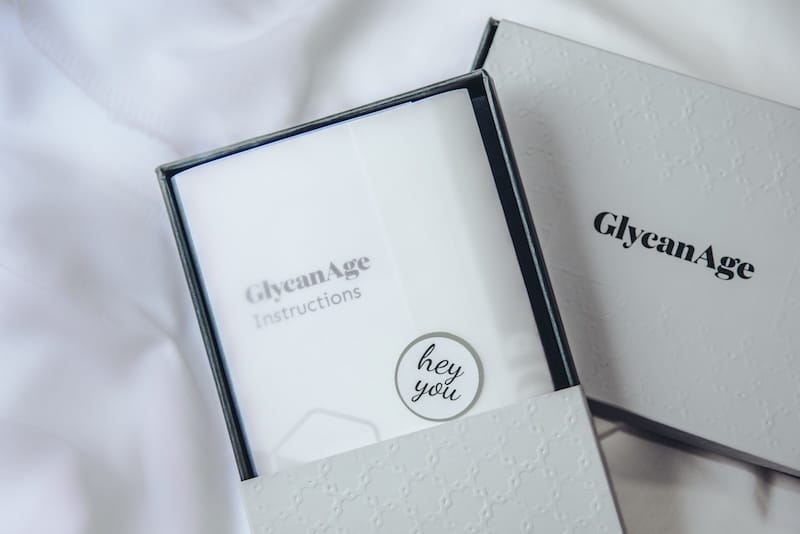
Understand How Your Body Is Aging
If you’re focusing on longevity, it’s natural to wonder whether what you’re doing is actually making a difference.
GlycanAge measures your biological age based on inflammation markers, giving insight into how your body is aging on the inside.
It’s a way to move beyond guesswork and better understand what’s working for you over time.
Do Women Need a Different Approach to Longevity?
In my opinion, this is a no-brainer: yes.
And we’re starting to see that more clearly now. Women may respond differently to things like fasting, cold exposure, stress, and training intensity. These differences are often influenced by hormones, nervous system sensitivity, and overall physiology. For example, I’ve explored this further in my article Cold Plunges for Women: What Does the Research Actually Say?
This doesn’t mean these tools are ineffective. It means they need to be applied with context.
Longevity Habits That Matter Most for Women
When you step back, the most important longevity strategies for women are not extreme. They are consistent.
Focus on:
• building and maintaining muscle
• eating enough protein and nutrient-dense foods (you can find real, nutrient-dense food in my healthy recipe collection)
• supporting gut health with fiber and probiotic foods
• prioritizing sleep and stress management
• moving your body daily
• maintaining social connection
These are not trends. They are foundations. If you’re interested in how this can look in practice, I’ve shared more about my own experience here: How I Reduced My Biological Age by 12 Years.
A More Realistic Approach to Longevity
Longevity is often presented as something that requires doing more, adding more, and optimizing every detail. But in reality, it’s often the opposite.
It’s about understanding what actually matters for your body, especially as you move into a different stage of life. After 40, the focus tends to shift. What once worked through intensity and pushing harder may no longer be the most effective approach.
Instead, the emphasis moves toward supporting the body in a more sustainable way. Building routines that you can maintain over time, rather than relying on short bursts of effort.
Because in the long run, consistency tends to matter far more than intensity. And sustainability will always outperform strategies that are difficult to maintain.
FAQ Longevity for Women
What is longevity for women?
Longevity for women refers to both lifespan and healthspan, focusing on maintaining physical, mental, and metabolic health as women age, especially through hormonal transitions like menopause.
Why is menopause important for longevity?
Menopause marks a significant hormonal shift that affects heart health, bone density, metabolism, and brain function. Understanding and supporting the body during this transition is key to long-term health.
Why do women live longer than men?
Women tend to live longer due to a combination of biological, hormonal, and lifestyle factors. However, they are also more likely to experience chronic conditions later in life, making healthspan an important focus.
What is the biggest health risk for women after 40?
Cardiovascular disease and osteoporosis are among the biggest risks. Both are strongly influenced by hormonal changes and lifestyle factors.
How can women improve longevity naturally?
Women can support longevity by focusing on strength training, nutrition, sleep, stress management, and regular health screening. Consistency in these areas has the greatest long-term impact.


Pingback: Longevity For Women After 40 | OxygenSuperCharger
August 8, 2026 at 2:20 am