Hacks for Wellness

Welcome to Hacks4Wellness

Hacks4Wellness was created from a genuine passion for health, longevity, nutrition, exercise, and biohacking. As a woman in my forties, I’ve spent more than a decade exploring ways to improve my own health, from the fundamentals of nutrition, movement, and sleep to emerging research and new wellness technologies.

With a background in Public Health and certification as a Nutrition Coach, I combine what I’ve learned through education and research with my own real-world experiences and experiments.

Hacks4Wellness is where I share what I discover along the way, with one goal: to help make healthier living and longevity more practical, understandable, and achievable.

Contact

Hacks4Wellness wouldn’t be what it is without its readers and community. If you have a question, an idea for something you’d like me to explore, feedback on the site, or simply want to say hello, I’d love to hear from you.

Feel free to get in touch anytime.

Email: info@hacks4wellness.com

Instagram: @longevity_aspirant

TikTok: @longevity.aspirant

Top
Weight Gain After 40

Cortisol and Weight Gain After 40: Why Losing Weight Can Suddenly Feel Harder

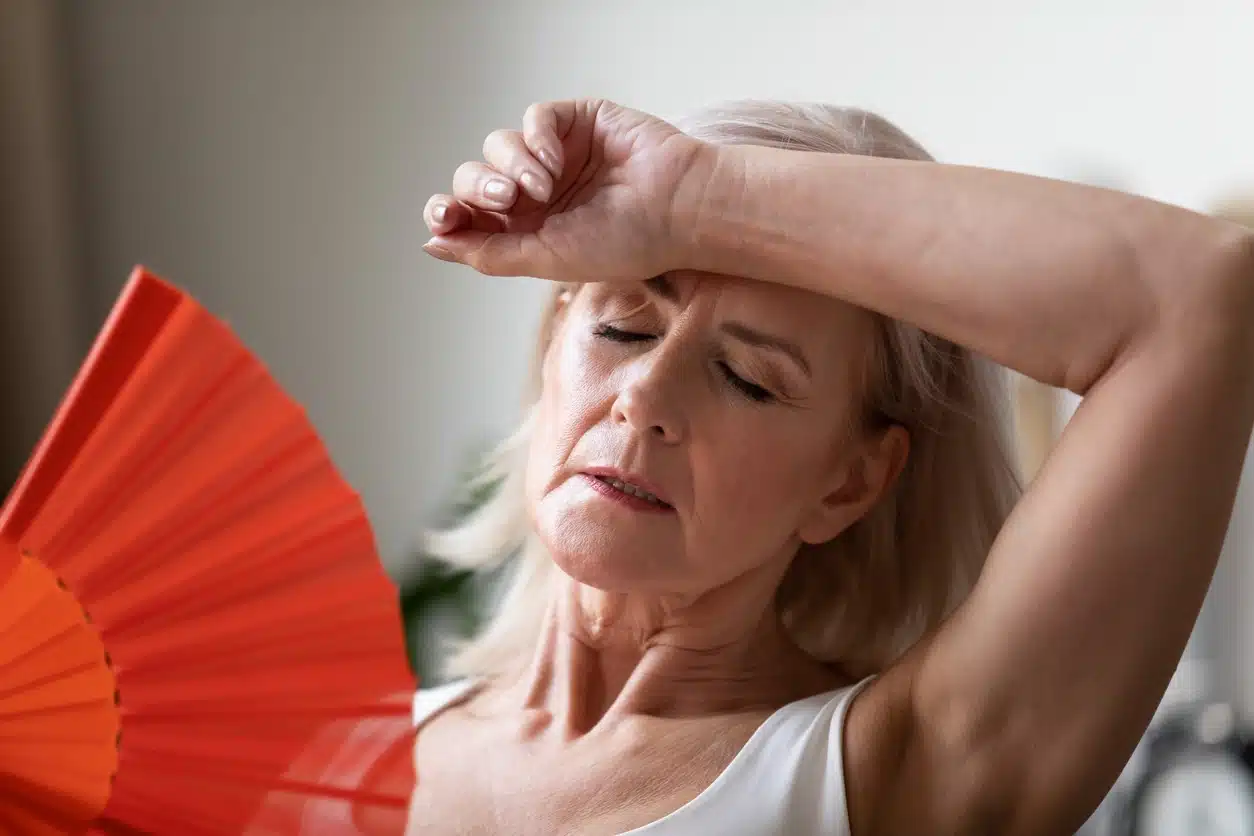
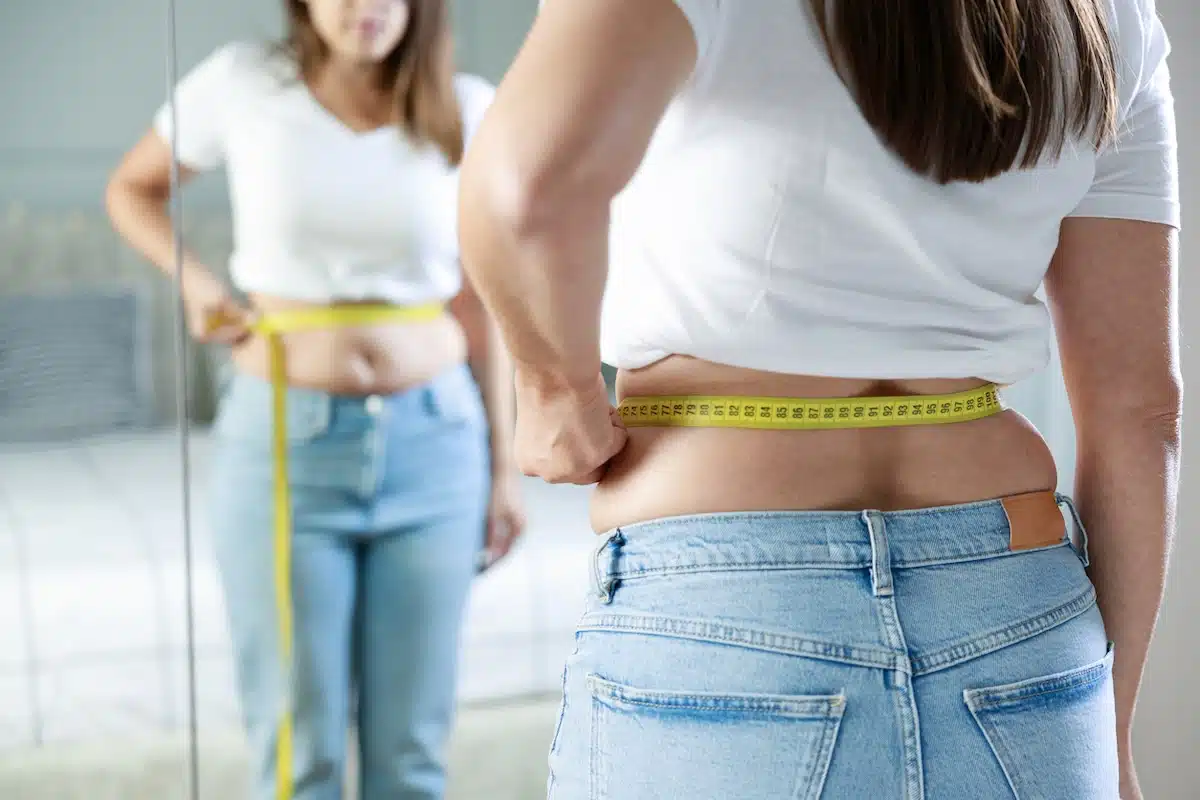
If you've reached your 40s and suddenly feel like the rules of weight loss have changed, you're not imagining that midlife can be different. I know this from personal experience. At 42, I've found that losing weight simply isn't as straightforward as it once was. The things I could rely on when I was younger, eating a little less, fasting, exercising a little more, adding more cardio, don't necessarily produce the same results anymore. And I'm far from alone. Weight gain is extremely common during midlife. Aging plays an important role, but the hormonal changes surrounding perimenopause and menopause can also change body composition, particularly where we store fat. Declining estrogen is associated with a shift toward greater abdominal and visceral fat accumulation. Then there is another hormone...
Share
Perimenopause symptoms

What No One Tells You About Perimenopause

At 42, I’m starting to notice changes in my body that I probably wouldn't have connected to perimenopause a few years ago. I've experienced heart palpitations. Strange electric-shock sensations under my skin. Moments when a word or thought that should be right there suddenly disappears. And then there are the more obvious changes. My periods have become noticeably less heavy. Because I've previously struggled with what I experienced as estrogen-dominant symptoms, including heavy bleeding, PMS and period cramps, changes in my cycle are something I notice quickly. I previously did a Chinese medicine tea treatment that helped me get those symptoms under better control, but I also suspect that perimenopause itself is now changing the picture. That's one of the strange things about perimenopause. We hear about hot flashes,...

Share
Cold Plunges Women

Cold Plunges for Women: What Does the Research Actually Say?

Cold plunges have become one of the most talked-about practices in the world of health and longevity. From ice baths to cold showers, they’re often promoted as a powerful way to boost energy, improve recovery, and build resilience. I’ve been curious about cold exposure for a long time. It’s one of those habits that keeps showing up in conversations around biohacking and longevity. But over time, my own approach has shifted. While I still do cold plunges occasionally, I’ve found myself leaning more toward sauna use for longevity. And when I do cold exposure, it’s often less about pushing limits and more about the refreshing feeling afterwards. At the same time, I’ve always had a question in the back of my mind: Do women respond to cold exposure...

Share
Hormones after 40

What’s Happening to Your Hormones After 40 (And What You Can Do About It)

At some point in your 40s, many women begin to notice subtle shifts in how their body feels. Energy isn’t as stable. Sleep may become lighter. Fat distribution can change. Mood and patience may fluctuate in ways that feel unfamiliar. And often, the first instinct is to think something is wrong. But in many cases, nothing is “wrong.” Your hormones are simply changing. Understanding these changes, and learning how to support your body through them, can make a significant difference in how you feel, function, and age during perimenopause, and menopause. The Hormonal Shift That Begins in Midlife As women move through their late 30s and into their 40s, the body gradually transitions into perimenopause. This is not a sudden event, but a slow and often unpredictable...

Share
Protein for Longevity

Why Protein Is on Everyone’s Lips — And Why It Matters Even More After 40

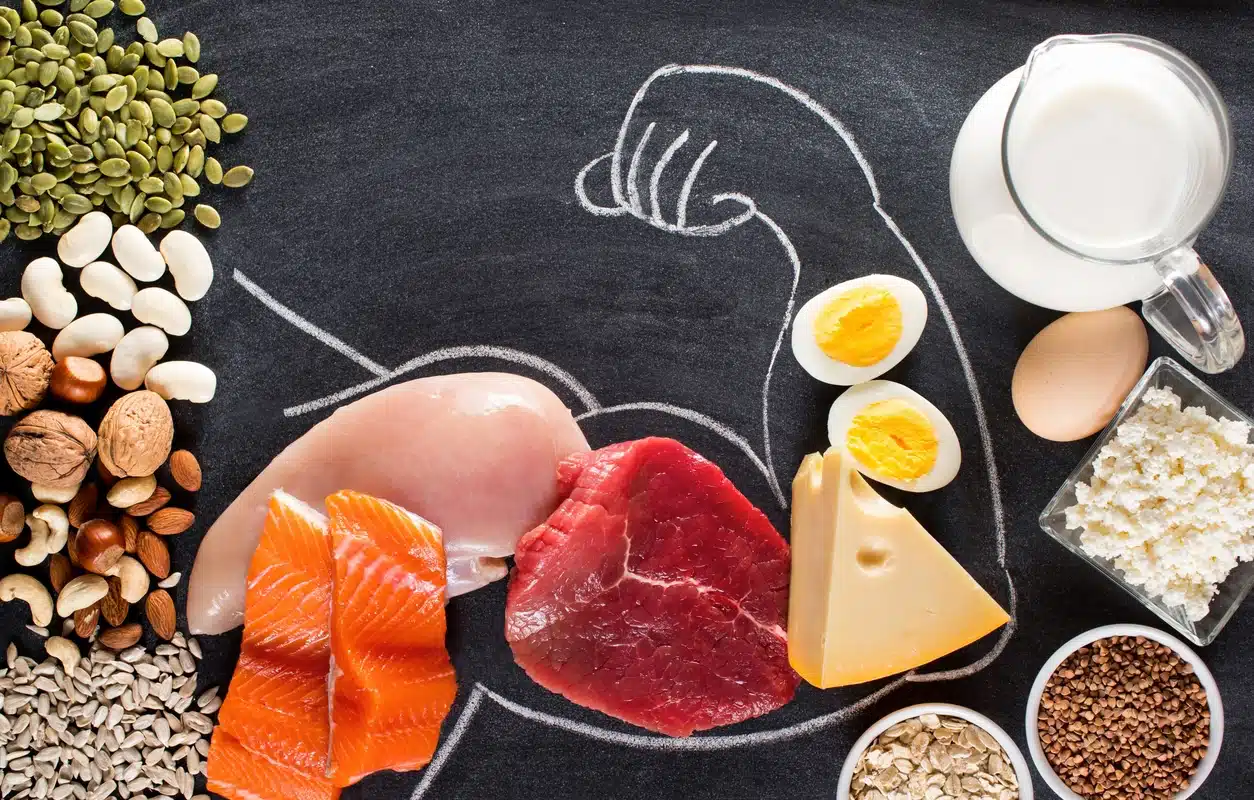
If you follow any health or fitness conversation right now, you’ve probably noticed one nutrient dominating the discussion: protein. Protein is no longer just associated with bodybuilders or athletes. It has become one of the most researched and discussed nutrients in longevity science, metabolic health, and healthy aging — and for good reason. While protein is important at every stage of life, its role becomes increasingly critical as we move into our 40s and beyond. This is when the body naturally begins to lose muscle mass, metabolic flexibility can decline, and bone density becomes more vulnerable to age-related changes. Over the past few years, protein has become one of the biggest cornerstones of my own health strategy. Since prioritizing protein in every meal, I’ve noticed significant improvements...

Share
Health areas longevity

If You Care About Longevity, These Health Areas Matter the Most

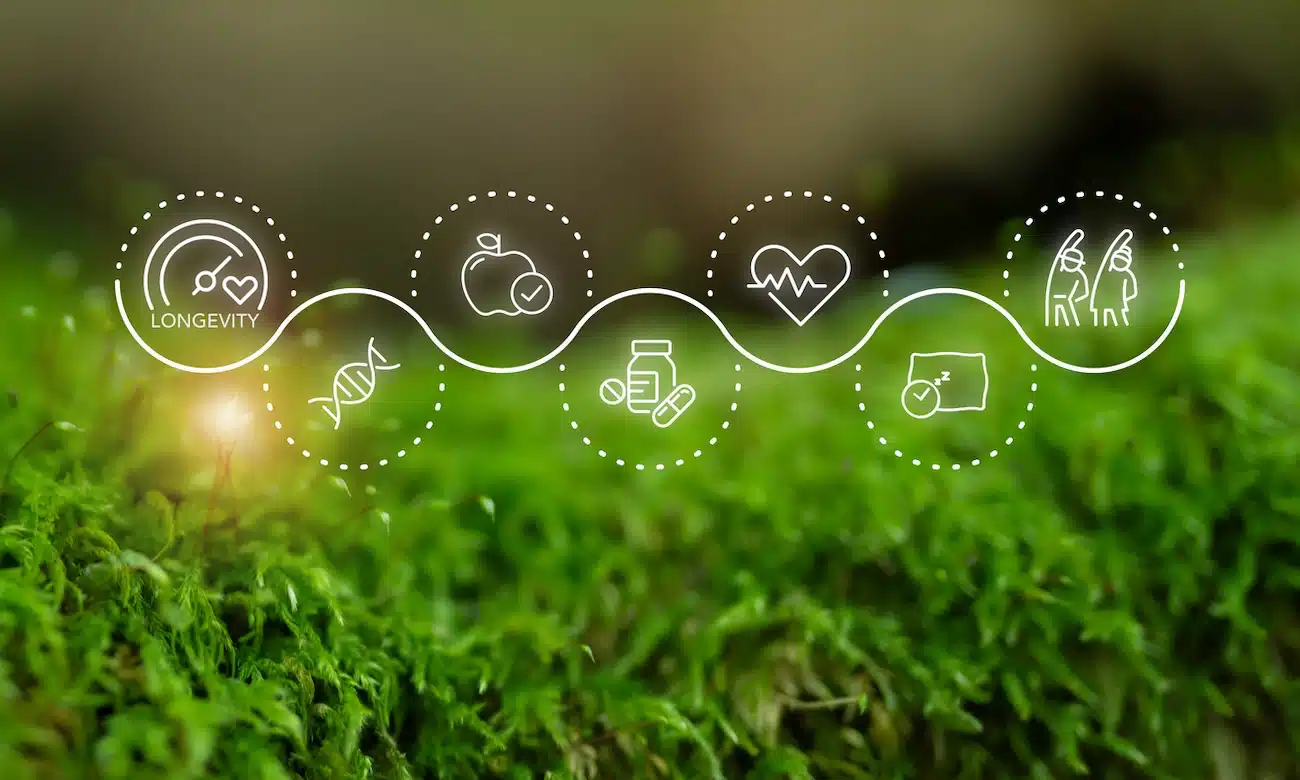
Longevity is often presented as a collection of hacks, supplements, and routines. Red light therapy. Cold exposure. NMN. Fasting. Tracking everything. But when you zoom out, healthy aging isn’t complicated, it’s layered. If you truly care about living longer and feeling well while doing so, there are a few core health areas that matter far more than the rest. These are the foundations that determine how resilient your body is, how fast you recover, and how well you adapt to stress, illness, and time itself. Everything else sits on top of these. Cardiovascular Health: The Silent Driver of Longevity Cardiovascular health is still the number one determinant of lifespan. Heart disease remains the leading cause of death worldwide, yet many people underestimate how early vascular health begins to decline....

Share
Modern light and hormones

How Modern Light Exposure Is Disrupting Your Hormones and Sleep

We Were Never Meant to Live Like This For most of human history, light followed a predictable rhythm. Days were bright and spent outdoors, while evenings were dim and quiet, illuminated only by fire. That warm, flickering light signaled safety, rest, and the natural end of the day. Today, our environment looks nothing like that. We are surrounded by artificial lighting from the moment we wake up until long after sunset. Screens, LED bulbs, streetlights, and indoor lighting constantly expose our eyes to blue, flickering light. That's a signal our biology still interprets as daytime. Our eyes may have adapted to this modern world, but our hormones haven’t. And the consequences show up as poor sleep, hormonal imbalance, elevated stress, and a circadian rhythm that never quite knows...

Share
Biohacks for Sleep

5 Biohacks for Better Sleep

A good night’s sleep isn’t a luxury. Instead, it’s one of the most powerful longevity tools you have. Sleep is when your body repairs tissues, balances hormones, consolidates memories, and resets your metabolism. Yet, millions of people struggle to get enough deep, restorative sleep. Often because modern lifestyles work against our biology. My Journey to Better Sleep I’ve tried a lot over the years to optimize my sleep. As a woman in my 40s, heading toward perimenopause and menopause, I’ve been eager to find the best ways to get quality rest and wake up refreshed. What I’ve learned is that sleep optimization doesn’t have to be complicated (or expensive). These are my five best biohacks for better sleep, and most of them are completely free, making them accessible...

Share
Sunshine hormone

Vitamin D: The Sunshine Hormone Your Body Can’t Live Without

Why Vitamin D Matters More in Winter As the days grow shorter and darker, many of us get less exposure to the sun — the body’s primary source of Vitamin D. In Sweden, where I live, studies on the population have shown that around half of people have insufficient Vitamin D levels during the winter months. That’s one of the reasons I always supplement with Vitamin D when the sunlight is scarce. I even tested my levels last year, and they were optimal (as you can see in the image to the left). This thanks to supplementation and spending as much time as I can outdoors. Vitamin D Isn’t Just a Vitamin — It’s a Hormone Despite the name, Vitamin D isn’t actually a vitamin. Instead, it’s a fat-soluble...

Share
Microplastics

The Hidden Health Risk Lurking in Your Kitchen: Microplastics from Cutting Boards

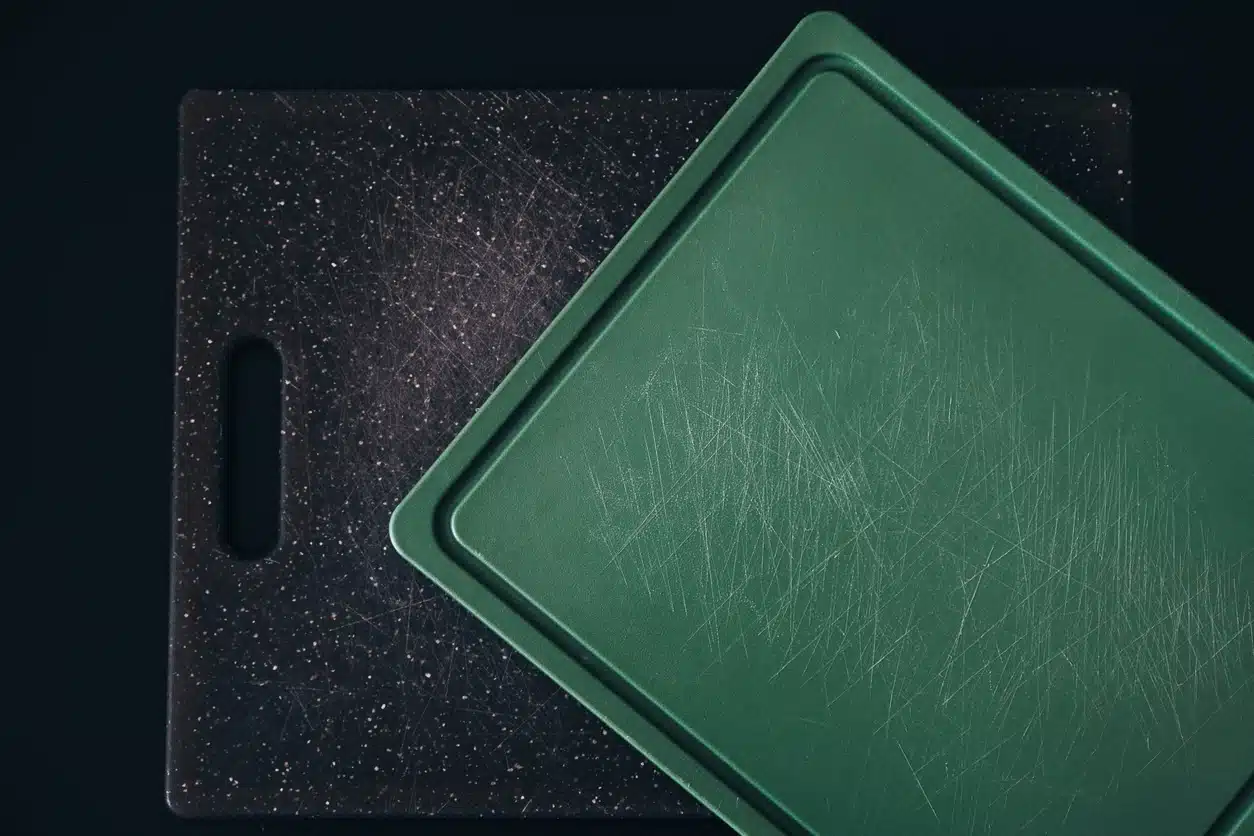
Most of us are careful about what we eat, but rarely think about what our food is being cut on. Recent research published in Environmental Science & Technology (2023) revealed a shocking fact: we may ingest up to 50 grams of microplastics every year from plastic cutting boards alone. That’s the equivalent of eating a full credit card’s worth of plastic every single week. Just the thought of that makes me feel really bad. What Are Microplastics Microplastics are tiny plastic particles less than 5 mm in size, and they’re now being detected everywhere in the human body. Scientists have found them in the bloodstream, in organs, testicular tissue, breast milk, placenta, and even the brain. Early research links microplastic exposure to: - Hormone disruption (endocrine interference) - Reduced fertility...

Share