Hacks for Wellness

Welcome to Hacks4Wellness

Hacks4Wellness was created from a genuine passion for health, longevity, nutrition, exercise, and biohacking. As a woman in my forties, I’ve spent more than a decade exploring ways to improve my own health, from the fundamentals of nutrition, movement, and sleep to emerging research and new wellness technologies.

With a background in Public Health and certification as a Nutrition Coach, I combine what I’ve learned through education and research with my own real-world experiences and experiments.

Hacks4Wellness is where I share what I discover along the way, with one goal: to help make healthier living and longevity more practical, understandable, and achievable.

Contact

Hacks4Wellness wouldn’t be what it is without its readers and community. If you have a question, an idea for something you’d like me to explore, feedback on the site, or simply want to say hello, I’d love to hear from you.

Feel free to get in touch anytime.

Email: info@hacks4wellness.com

Instagram: @longevity_aspirant

TikTok: @longevity.aspirant

Top
Adaptogens

Adaptogens Explained: Can They Really Help Your Body Handle Stress?

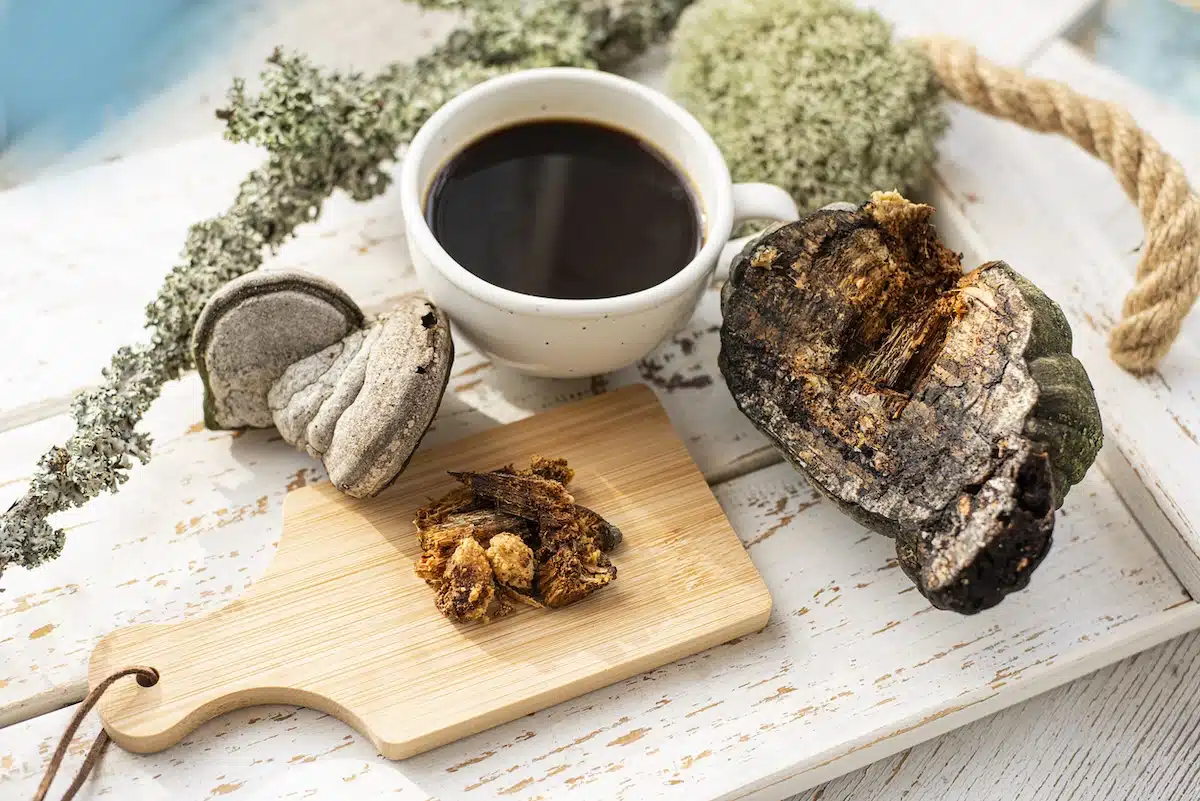
Stress has become such a normal part of modern life that sometimes we barely notice it anymore. Work deadlines. Notifications. Poor sleep. Hard workouts. Family responsibilities. Too much caffeine. Not enough downtime. Even things we choose because they're good for us, like exercise, still place temporary stress on the body. Recently, I've become increasingly interested in adaptogens, a group of herbs, roots and mushrooms that are often described as helping the body become more resilient to stress. The wellness world has certainly embraced them. You'll now find adaptogens in everything from coffee and gummies to powders, supplements and functional drinks. But what exactly is an adaptogen? Do they actually lower cortisol? And are medicinal mushrooms like Lion's Mane really adaptogens? What Are Adaptogens? The concept isn't new. The term adaptogen...
Share
Weight Gain After 40

Cortisol and Weight Gain After 40: Why Losing Weight Can Suddenly Feel Harder

If you've reached your 40s and suddenly feel like the rules of weight loss have changed, you're not imagining that midlife can be different. I know this from personal experience. At 42, I've found that losing weight simply isn't as straightforward as it once was. The things I could rely on when I was younger, eating a little less, fasting, exercising a little more, adding more cardio, don't necessarily produce the same results anymore. And I'm far from alone. Weight gain is extremely common during midlife. Aging plays an important role, but the hormonal changes surrounding perimenopause and menopause can also change body composition, particularly where we store fat. Declining estrogen is associated with a shift toward greater abdominal and visceral fat accumulation. Then there is another hormone...

Share
Bone health Osteoporosis

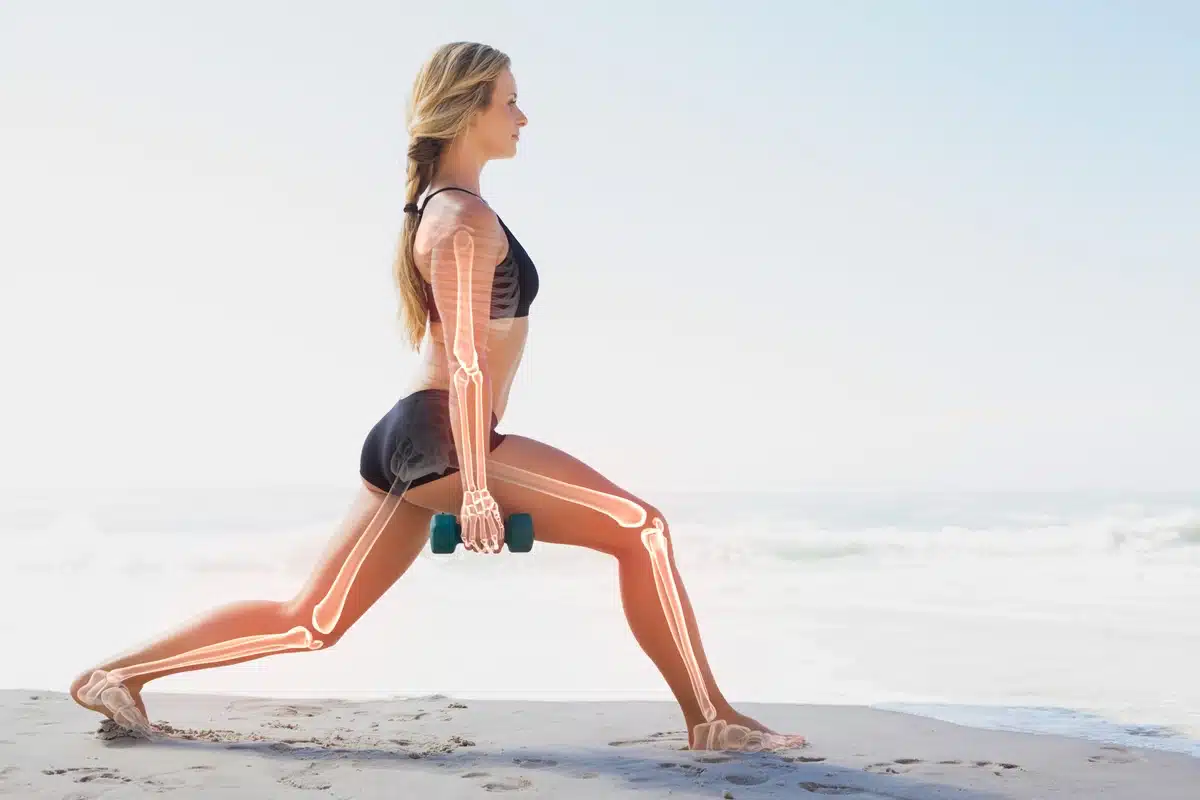
Bone Health After 40: How to Prevent Osteoporosis and Build Stronger Bones

When we think about staying healthy after 40, we tend to focus on things we can see or feel: maintaining muscle, keeping our weight under control, having enough energy and staying fit. Our bones are easier to forget. You can't see bone loss happening. You usually can't feel it either. And for many women, the first obvious sign that their bones have become weaker is a fracture. That's one reason bone health has become such a priority for me in my 40s. I'm 42, and this is one of the reasons I focus so hard on strength training in this phase of life. Yes, I want to be strong now. But I'm also thinking about the body I want at 60, 70 and 80. Because the years around...

Share
Natto

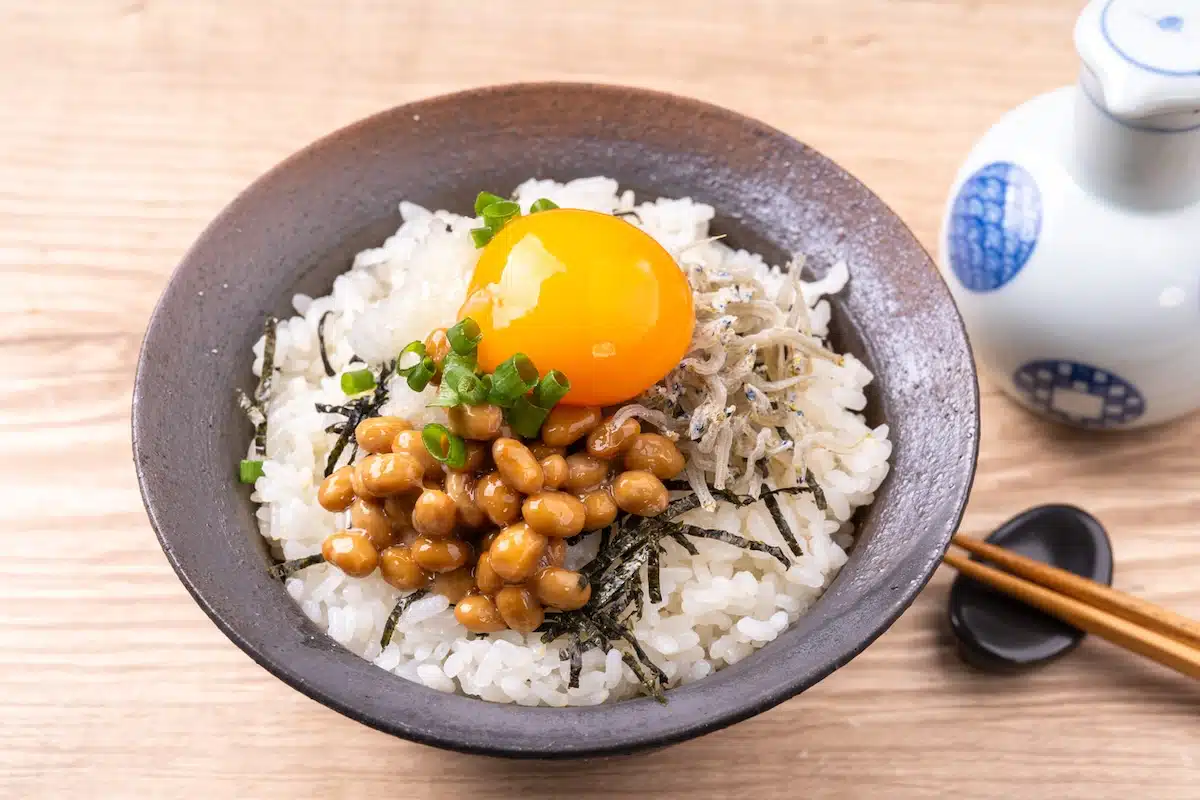
The Japanese Longevity Food You’ve Probably Never Heard Of

When we talk about Japanese longevity, certain things tend to come up again and again: green tea, fish, walking, fermented foods, smaller portions and the concept of ikigai. But there is another traditional Japanese food that gets considerably less attention in the West. It's called natto. If you've ever seen it, you probably remember it. Natto is made from fermented soybeans and has a very distinctive sticky, stringy texture and strong smell. It's certainly not the easiest Japanese food to introduce to a Western breakfast table. But nutritionally, natto is fascinating. It contains protein, fiber, vitamin K2 and various compounds produced during fermentation. Most interestingly for longevity, natto is the natural source of an enzyme called nattokinase, which has become increasingly studied for its potential effects on cardiovascular health...

Share
Perimenopause symptoms

What No One Tells You About Perimenopause

At 42, I’m starting to notice changes in my body that I probably wouldn't have connected to perimenopause a few years ago. I've experienced heart palpitations. Strange electric-shock sensations under my skin. Moments when a word or thought that should be right there suddenly disappears. And then there are the more obvious changes. My periods have become noticeably less heavy. Because I've previously struggled with what I experienced as estrogen-dominant symptoms, including heavy bleeding, PMS and period cramps, changes in my cycle are something I notice quickly. I previously did a Chinese medicine tea treatment that helped me get those symptoms under better control, but I also suspect that perimenopause itself is now changing the picture. That's one of the strange things about perimenopause. We hear about hot flashes,...

Share
Are seedoils bad

Why I Don’t Use Seed Oils Anymore | Are Seed Oils Bad?

For years, vegetable oils were presented as the healthier alternative to traditional fats like butter. Part of that shift can be traced back to the work of Ancel Keys and the Seven Countries Study, which helped popularize the idea that saturated fat was a major driver of heart disease. The study became hugely influential in shaping low-fat dietary advice, even though its observational design and interpretation have been debated ever since. Vegetable oils then became almost impossible to avoid, appearing in everything from salad dressings and mayonnaise to protein bars, restaurant meals, chips, crackers, sauces, and foods marketed as “healthy.” I used to consume them too. But the more I learned about how these oils are produced, their high concentration of omega-6 linoleic acid, and what can happen...

Share
Heart rate variability

How to Increase HRV Naturally

If you've ever looked at your Oura Ring, Garmin, Apple Watch, or WHOOP app, you've probably noticed a number called HRV, or Heart Rate Variability. At first glance, it can seem confusing. Is a higher number always better? Should you worry if it suddenly drops? And what does it actually say about your health? Over the last few years, HRV has become one of the most talked-about health metrics, and for good reason. Unlike your resting heart rate, which simply measures how many times your heart beats each minute, HRV provides insight into how well your body is recovering, adapting to stress, and maintaining balance. While no single number can define your health, HRV can offer valuable clues about how your nervous system is functioning and whether...

Share
Longevity Habits

Why Longevity Habits Don’t Stick, and How to Build Ones That Do After 40

We are living through a golden age of longevity information. There has never been more of it: studies, protocols, podcasts, endless advice on how to age well. And after years of writing about this, with a background in public health and my own trip through perimenopause, here is the honest truth I keep landing on: for most women over 40, the problem is not a lack of information. We know we should lift weights, prioritize protein, protect our sleep, keep our stress in check, and move more. I have written about what actually matters for longevity after 40 more than once. We have known this stuff for years. And yet. If knowing were enough, we would all be thriving. Instead, most of us start strong on a Monday,...

Share
Longevity for Women

Longevity for Women: What Actually Matters After 40

Longevity is often discussed as if it applies the same way to everyone. But it doesn’t. Women experience aging differently, especially after 40. Hormones shift, metabolism changes, and the strategies that may have worked in your 20s or 30s don’t always work the same way anymore. And yet, much of the research and advice around longevity has historically been based on men. Women are not “small men.” And when it comes to healthspan, that distinction matters. What Happens to a Woman’s Body After 40? One of the biggest shifts happens during perimenopause and menopause. Estrogen levels begin to decline, and this affects far more than just reproductive health. Estrogen plays a role in: • cardiovascular health • bone density • brain function • metabolism • inflammation As estrogen declines, women may notice changes such as...

Share
Natural GLP1

How to Boost GLP-1 Naturally (Without Medication)

GLP-1 is everywhere right now. Most people associate it with weight loss medications like Ozempic and Wegovy. But what many don’t realize is that GLP-1 is something your body already produces naturally. It's actually a peptide. That raises an interesting question: Instead of relying only on medication… can we support our own GLP-1 levels through lifestyle? Before we get into that, a quick and important note: If you’ve been prescribed GLP-1 medication by your doctor, you should always follow their advice. This article is not about replacing medical treatment, but about understanding what your body is capable of when supported in the right way. What Is GLP-1? GLP-1 (glucagon-like peptide-1) is a hormone that plays a key role in appetite regulation and blood sugar control. It helps: • increase feelings of...

Share