Hacks for Wellness

Welcome to Hacks4Wellness

Hacks4Wellness was created from a genuine passion for health, longevity, nutrition, exercise, and biohacking. As a woman in my forties, I’ve spent more than a decade exploring ways to improve my own health, from the fundamentals of nutrition, movement, and sleep to emerging research and new wellness technologies.

With a background in Public Health and certification as a Nutrition Coach, I combine what I’ve learned through education and research with my own real-world experiences and experiments.

Hacks4Wellness is where I share what I discover along the way, with one goal: to help make healthier living and longevity more practical, understandable, and achievable.

Contact

Hacks4Wellness wouldn’t be what it is without its readers and community. If you have a question, an idea for something you’d like me to explore, feedback on the site, or simply want to say hello, I’d love to hear from you.

Feel free to get in touch anytime.

Email: info@hacks4wellness.com

Instagram: @longevity_aspirant

TikTok: @longevity.aspirant

Top
Biohacking tools

5 Biohacking Tools I Actually Use: Are They Worth It?

I have a confession to make: I own a ridiculous number of biohacking gadgets. The fact that I own four different red light therapy devices probably tells you everything you need to know. Over the years, I've experimented with a lot of wellness technology. Some devices seemed exciting at first but eventually ended up forgotten in a cupboard. Others have become such a normal part of my routine that I barely think of them as biohacking anymore. That's ultimately my test for any health gadget. It can have impressive technology and fascinating research behind it, but if it's inconvenient or I don't feel I'm getting anything from using it, I'm probably not going to keep doing it. The five biohacking tools below are different. These are devices I genuinely...

Share
Glimmers for health

Glimmers: How Tiny Moments of Joy Can Improve Your Health

We spend a lot of time talking about our triggers: the situations, people and experiences that make us feel stressed, anxious or overwhelmed. But there's another side of the nervous system conversation that gets considerably less attention. What about the tiny experiences that make us feel good? The warmth of the morning sun on your skin. Your dog wanting to play. The first sip of coffee on a quiet weekend morning. Walking down a street you've never explored before. Laughing with friends until you temporarily forget everything else that's occupying your mind. These small moments have become known as glimmers. Unlike life's big milestones, glimmers are easy to overlook precisely because they're so ordinary. They might last only a few seconds, yet they can create a brief...

Share
Cold Plunges Women

Cold Plunges for Women: What Does the Research Actually Say?

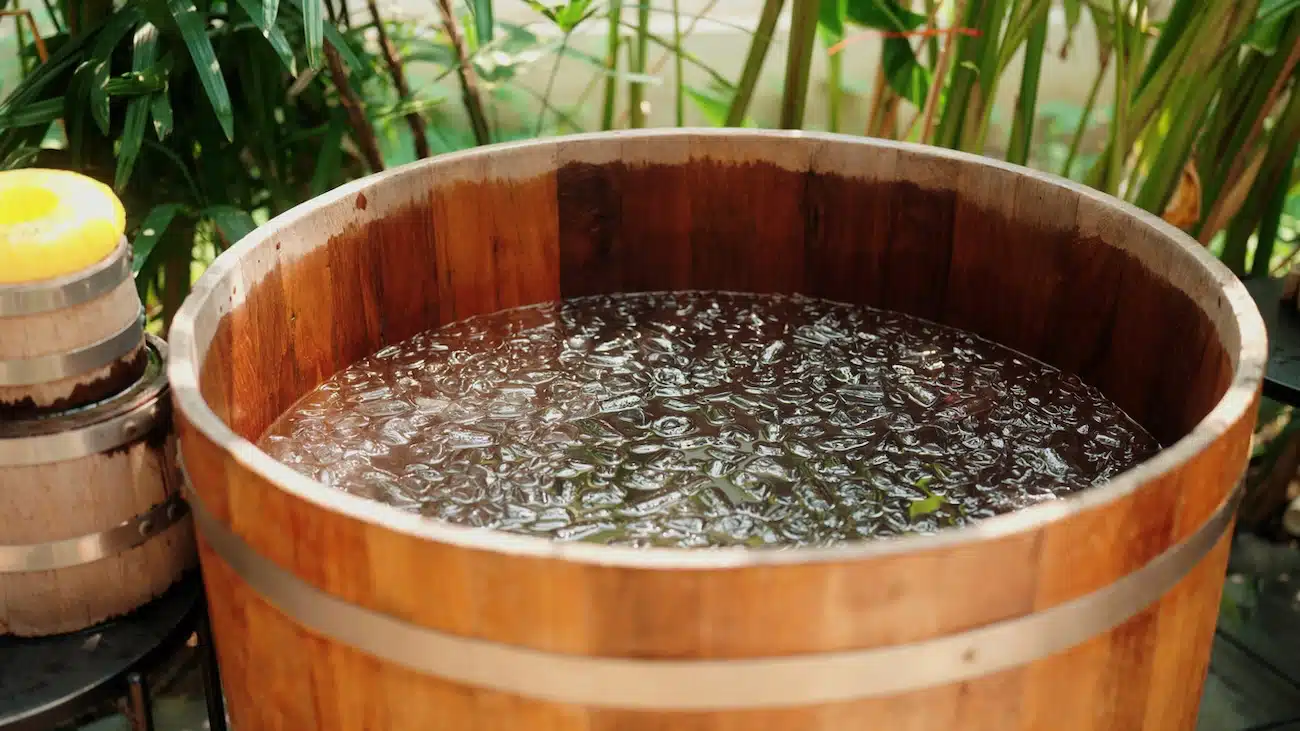
Cold plunges have become one of the most talked-about practices in the world of health and longevity. From ice baths to cold showers, they’re often promoted as a powerful way to boost energy, improve recovery, and build resilience. I’ve been curious about cold exposure for a long time. It’s one of those habits that keeps showing up in conversations around biohacking and longevity. But over time, my own approach has shifted. While I still do cold plunges occasionally, I’ve found myself leaning more toward sauna use for longevity. And when I do cold exposure, it’s often less about pushing limits and more about the refreshing feeling afterwards. At the same time, I’ve always had a question in the back of my mind: Do women respond to cold exposure...

Share
Hormones after 40

What’s Happening to Your Hormones After 40 (And What You Can Do About It)

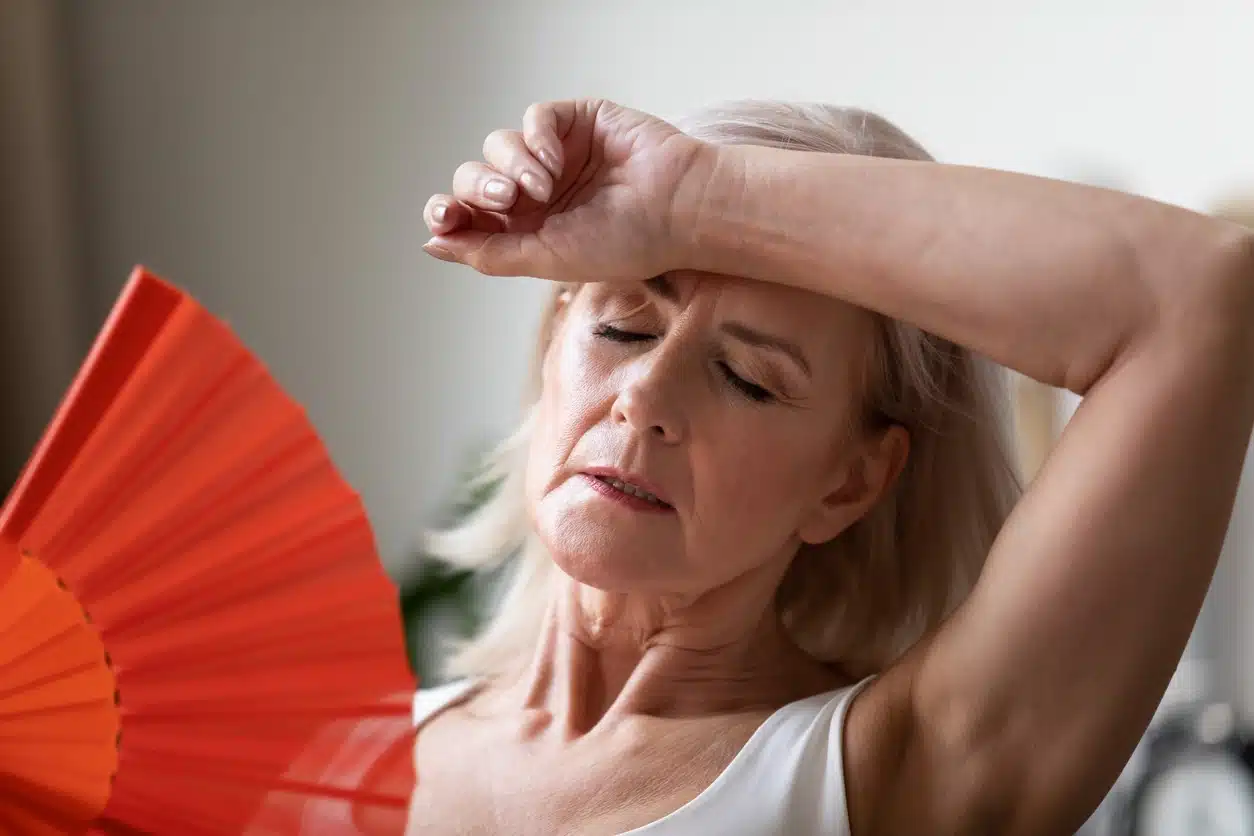
At some point in your 40s, many women begin to notice subtle shifts in how their body feels. Energy isn’t as stable. Sleep may become lighter. Fat distribution can change. Mood and patience may fluctuate in ways that feel unfamiliar. And often, the first instinct is to think something is wrong. But in many cases, nothing is “wrong.” Your hormones are simply changing. Understanding these changes, and learning how to support your body through them, can make a significant difference in how you feel, function, and age during perimenopause, and menopause. The Hormonal Shift That Begins in Midlife As women move through their late 30s and into their 40s, the body gradually transitions into perimenopause. This is not a sudden event, but a slow and often unpredictable...

Share
Reduced biological age

How I Reduced My Biological Age by 12 Years

When I took my yearly biological age test from GlycanAge, I expected to see small improvements. I’ve been consistent with my health habits for years, but I also live a real life with work, stress, relationships, travel etc What I didn’t expect was this: At 41 years old, my biological age came back as 29. That result didn’t happen overnight. And it didn’t come from one supplement, one diet, or one biohack. It’s the outcome of years of small, repeatable habits that work with my biology instead of against it. In this article, I want to explain: • how the GlycanAge test works • what my results actually mean • how I live day-to-day to support healthy aging • what my results revealed about my genetics • and what I’m adjusting going...

Share
Modern light and hormones

How Modern Light Exposure Is Disrupting Your Hormones and Sleep

We Were Never Meant to Live Like This For most of human history, light followed a predictable rhythm. Days were bright and spent outdoors, while evenings were dim and quiet, illuminated only by fire. That warm, flickering light signaled safety, rest, and the natural end of the day. Today, our environment looks nothing like that. We are surrounded by artificial lighting from the moment we wake up until long after sunset. Screens, LED bulbs, streetlights, and indoor lighting constantly expose our eyes to blue, flickering light. That's a signal our biology still interprets as daytime. Our eyes may have adapted to this modern world, but our hormones haven’t. And the consequences show up as poor sleep, hormonal imbalance, elevated stress, and a circadian rhythm that never quite knows...

Share
Circadian rythm

What Is Circadian Rhythm — And Why Does It Matter for Your Health?

Your body runs on rhythm, not willpower. Circadian rhythm is your internal 24-hour clock that impacts sleep, hormones, metabolism, immunity, and healthy aging. Here’s how it works and why it matters. Your Body Has a Built-In 24-Hour Clock Circadian rhythm is your body’s internal timing system — a roughly 24-hour cycle that regulates nearly every biological process, including cortisol, melatonin, metabolism, digestion, body temperature, and sleep. Unlike sleep alone, this rhythm coordinates the entire body. When it's aligned, your body becomes more efficient, calmer, hormonally balanced, and better at cellular repair and recovery — all central to healthy aging and extended lifespan. For our ancestors, this alignment happened naturally because they lived by the sun. Their days started at sunrise, ended at sunset, and nights were spent in complete...

Share
Biohacks for Sleep

5 Biohacks for Better Sleep

A good night’s sleep isn’t a luxury. Instead, it’s one of the most powerful longevity tools you have. Sleep is when your body repairs tissues, balances hormones, consolidates memories, and resets your metabolism. Yet, millions of people struggle to get enough deep, restorative sleep. Often because modern lifestyles work against our biology. My Journey to Better Sleep I’ve tried a lot over the years to optimize my sleep. As a woman in my 40s, heading toward perimenopause and menopause, I’ve been eager to find the best ways to get quality rest and wake up refreshed. What I’ve learned is that sleep optimization doesn’t have to be complicated (or expensive). These are my five best biohacks for better sleep, and most of them are completely free, making them accessible...

Share
oxidative stress

Understanding Oxidative Stress (and How to Counteract It)

We all age, but how we age depends largely on what happens at the cellular level. One key factor influencing this process is something called oxidative stress. This is a natural but potentially harmful process that occurs in every cell of your body. Think of oxidative stress as your body slowly “rusting” from the inside out. It’s a balance game between free radicals and antioxidants, and when that balance tips too far, damage begins to accumulate. This is affecting everything from your skin and energy levels to your risk of chronic disease. What Is Oxidative Stress? Oxidative stress happens when your body produces more free radicals (unstable molecules created during metabolism, exercise, or exposure to toxins) than your system can neutralize with antioxidants. A certain level of oxidative stress...

Share
NMN Lawful in Dietary Supplements

NMN Is Back: Why This Longevity Molecule Matters More Than Ever

What Is NMN? NMN (Nicotinamide Mononucleotide) is a molecule naturally found in the body and in small amounts in foods like broccoli, edamame, and avocado. It’s a direct precursor to NAD+, a coenzyme that powers cellular energy, DNA repair, and overall health. As we age, NAD+ levels decline, which is linked to fatigue, slower recovery, metabolic issues, and age-related diseases. Supplementing with NMN helps restore NAD+ and support healthy aging at the cellular level. Benefits of NMN Supplementation Research on NMN is still emerging, but early studies and anecdotal evidence point to several potential benefits: - Increased energy & metabolism - Improved insulin sensitivity & blood sugar control - Enhanced DNA repair & cellular health - Better recovery & endurance for exercise - Potential brain-protective effects - Support for cardiovascular and vascular health For biohackers and...

Share