


Understanding Oxidative Stress (and How to Counteract It)
We all age, but how we age depends largely on what happens at the cellular level. One key factor influencing this process is something called oxidative stress. This is a natural but potentially harmful process that occurs in every cell of your body.
Think of oxidative stress as your body slowly “rusting” from the inside out. It’s a balance game between free radicals and antioxidants, and when that balance tips too far, damage begins to accumulate. This is affecting everything from your skin and energy levels to your risk of chronic disease.
What Is Oxidative Stress?
Oxidative stress happens when your body produces more free radicals (unstable molecules created during metabolism, exercise, or exposure to toxins) than your system can neutralize with antioxidants.
A certain level of oxidative stress is normal and even beneficial as it triggers adaptive repair mechanisms. But when it becomes chronic, it starts damaging cell membranes, proteins, and DNA. Over time, this cellular wear and tear accelerates the ageing process and contributes to conditions like heart disease, neurodegeneration, and cancer.
In fact, research published in Clinical Intervention in Aging shows that oxidative stress is one of the most important molecular mechanisms behind ageing and age-related diseases — particularly through its impact on mitochondrial health. Managing oxidative stress helps protect cellular function and healthy longevity.
Why It Matters for Longevity
Your mitochondria (the power houses inside your cells) are both the biggest producers and the most vulnerable targets of oxidative stress. When they’re damaged, energy production drops, inflammation increases, and the ageing process speeds up.
That’s why longevity science now focuses on reducing oxidative damage and improving mitochondrial resilience. Managing oxidative stress not only helps you age better, but it also supports your immune system, cognitive health, recovery, and metabolism.
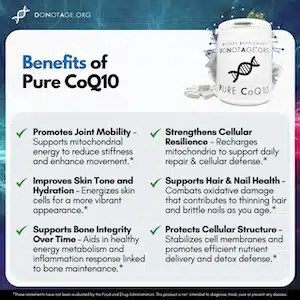
Protect Your Cells with DoNotAge.org CoQ10
Support your mitochondria and fight oxidative stress naturally with DoNotAge.org’s Pure CoQ10 — a bioavailable form designed to enhance energy, support heart health, and protect cells from oxidative damage. This is the exact supplement I take daily.
Get 10% off with code KAJSA
How to Counteract Oxidative Stress Naturally
The good news is that you can take several simple but powerful steps to support your body’s defense system.
1. Eat antioxidant-rich foods
Colorful fruits and vegetables are your first line of defense. Berries, leafy greens, turmeric, cacao, and green tea all contain potent antioxidants that neutralize free radicals.
2. Prioritize recovery and sleep
Quality sleep allows your body to repair damaged cells and reduce oxidative load. Infrared saunas and stress-reduction practices (like meditation or breathwork) also help lower inflammation.
3. Exercise — but don’t overtrain
Regular physical activity boosts your body’s natural antioxidant defense system. However, extreme or chronic training can increase oxidative stress, so balance intensity with recovery.
4. Minimize exposure to toxins
Avoid smoking, limit alcohol, and reduce exposure to air pollution, seed oils, and ultra-processed foods — all major contributors to oxidative stress.
5. Support with supplements
Certain compounds are well-studied for their antioxidant and mitochondrial-supportive effects:
CoQ10 – essential for mitochondrial energy production and heart health (Get it here with 10% discount)
Resveratrol & NMN – activate longevity pathways (like SIRT1) (Get it here with 10% discount)
Vitamin C & E – classic antioxidants that protect cells from oxidative damage
Magnesium & Omega-3s – reduce inflammation and enhance cellular resilience (Get it here with 10% discount)
My Personal Approach
In my own longevity routine, I focus on minimizing oxidative stress through a combination of movement, nutrition, and targeted supplementation. I start my mornings with antioxidant-rich foods, get daily outdoor movement, and include CoQ10 and NMN from DoNotAge.org in my supplement stack.
Since implementing this approach, I’ve noticed improved recovery, steady energy, and better overall vitality — all signs that my cells are functioning optimally.
Final Thoughts
We can’t completely avoid oxidative stress since it’s part of being alive. But by supporting our body’s antioxidant defenses and making mindful lifestyle choices, we can slow the cellular “rusting” process and promote healthy ageing from within.


Pingback: Foods to Slow Aging: Eat Your Way to Longevity - Hacks for Wellness and Health
November 11, 2025 at 3:07 pm