Hacks for Wellness

Welcome to Hacks4Wellness

Hacks4Wellness was created from a genuine passion for health, longevity, nutrition, exercise, and biohacking. As a woman in my forties, I’ve spent more than a decade exploring ways to improve my own health, from the fundamentals of nutrition, movement, and sleep to emerging research and new wellness technologies.

With a background in Public Health and certification as a Nutrition Coach, I combine what I’ve learned through education and research with my own real-world experiences and experiments.

Hacks4Wellness is where I share what I discover along the way, with one goal: to help make healthier living and longevity more practical, understandable, and achievable.

Contact

Hacks4Wellness wouldn’t be what it is without its readers and community. If you have a question, an idea for something you’d like me to explore, feedback on the site, or simply want to say hello, I’d love to hear from you.

Feel free to get in touch anytime.

Email: info@hacks4wellness.com

Instagram: @longevity_aspirant

TikTok: @longevity.aspirant

Top
Performance Supplements

DoNotAge Performance: Creatine Benefits for Muscle, Brain Health & Longevity

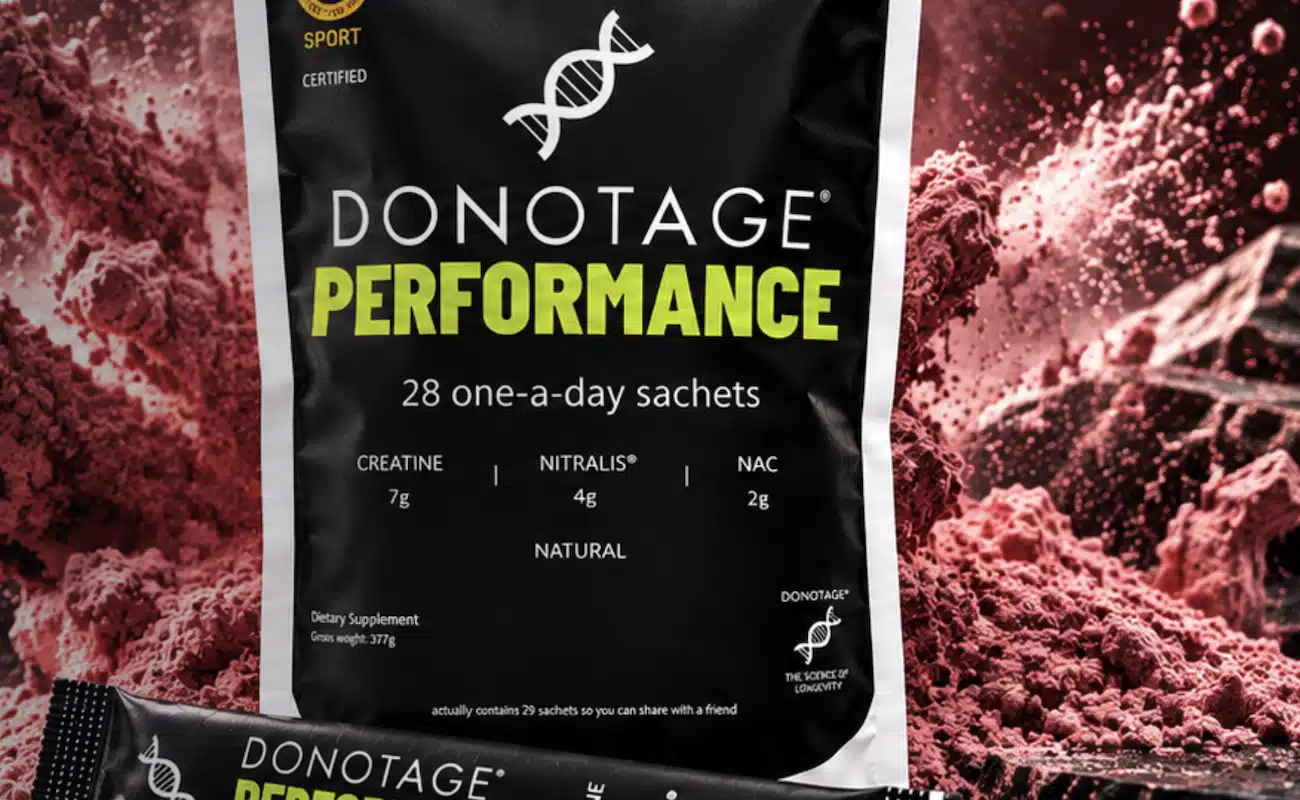
I've been taking creatine for quite some time, and it's one of the supplements I genuinely believe deserves a place in more women's routines, especially after 40. Although creatine has traditionally been associated with bodybuilders and athletes, the research has expanded well beyond muscle growth. Today, scientists are investigating its potential benefits for brain health, cognitive performance and healthy aging. So when I heard that DoNotAge was launching a new product combining creatine with two additional performance-focused ingredients, I was immediately interested. My first package of DoNotAge Performance has just arrived, and I'm particularly excited about this addition because I've already been using the brand's 15-in-1 longevity sachets. Creatine was one of the few ingredients I still needed to take separately, so a complementary performance formula makes...
Share
Magnesium for health

Magnesium After 40: Benefits for Sleep, Bones & Healthy Aging

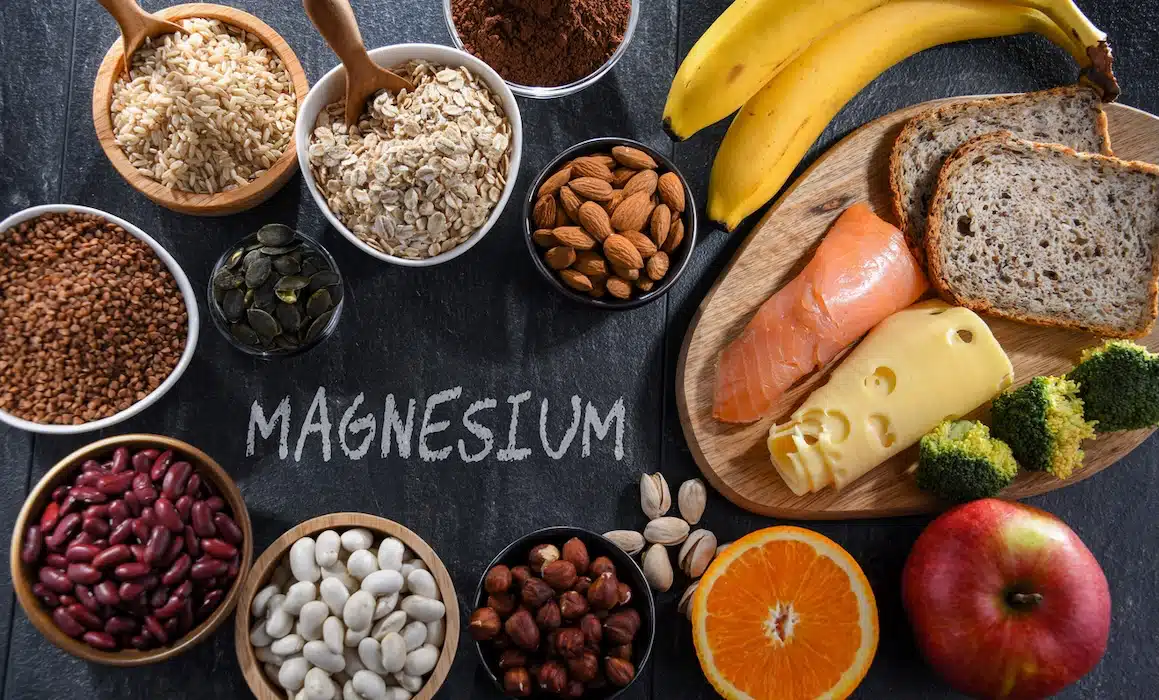
Magnesium has become one of the most talked-about supplements for better sleep, stress management and healthy aging. But while it's often marketed as something to help you relax before bed, this essential mineral does far more than support a good night's sleep. Magnesium is involved in more than 300 enzyme systems in the body, contributing to everything from energy production and muscle function to nerve signaling, blood sugar regulation and bone health. And for women entering their forties, perimenopause and menopause, several of these functions become particularly relevant. As we age, maintaining strong bones and muscles becomes increasingly important, while hormonal changes can make restful sleep feel harder to achieve. Magnesium isn't a miracle solution to these changes, but ensuring we're getting enough is an important part...

Share
Biohacking tools

5 Biohacking Tools I Actually Use: Are They Worth It?

I have a confession to make: I own a ridiculous number of biohacking gadgets. The fact that I own four different red light therapy devices probably tells you everything you need to know. Over the years, I've experimented with a lot of wellness technology. Some devices seemed exciting at first but eventually ended up forgotten in a cupboard. Others have become such a normal part of my routine that I barely think of them as biohacking anymore. That's ultimately my test for any health gadget. It can have impressive technology and fascinating research behind it, but if it's inconvenient or I don't feel I'm getting anything from using it, I'm probably not going to keep doing it. The five biohacking tools below are different. These are devices I genuinely...

Share
Glimmers for health

Glimmers: How Tiny Moments of Joy Can Improve Your Health

We spend a lot of time talking about our triggers: the situations, people and experiences that make us feel stressed, anxious or overwhelmed. But there's another side of the nervous system conversation that gets considerably less attention. What about the tiny experiences that make us feel good? The warmth of the morning sun on your skin. Your dog wanting to play. The first sip of coffee on a quiet weekend morning. Walking down a street you've never explored before. Laughing with friends until you temporarily forget everything else that's occupying your mind. These small moments have become known as glimmers. Unlike life's big milestones, glimmers are easy to overlook precisely because they're so ordinary. They might last only a few seconds, yet they can create a brief...

Share
Longevity Benefits Coffee

Is Coffee Good for You? The Surprising Health Benefits of Drinking Coffee

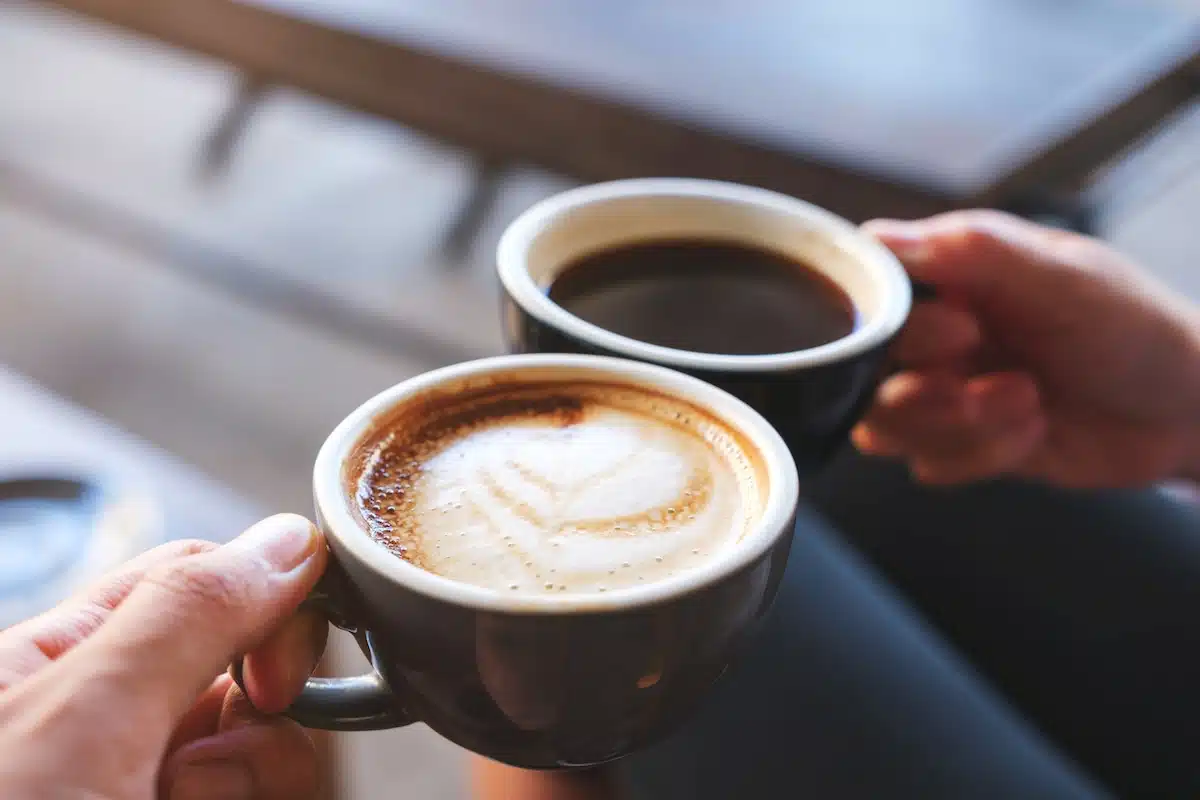
Coffee is one of those things we can't seem to make up our minds about. For years, it had a somewhat questionable reputation. Too much caffeine. Bad for your heart. Something you should probably cut back on. Today, the research paints a very different picture. Moderate coffee consumption has been associated with a lower risk of type 2 diabetes, cardiovascular disease, liver disease, cognitive decline and even premature death. In one major umbrella review looking across hundreds of analyses, coffee consumption was more often associated with health benefits than harm, with some of the strongest associations appearing at around three to four cups per day. And now, new research published in JAMA in 2026 has added another intriguing piece to the puzzle: coffee may also be associated...

Share
Bone health Osteoporosis

Bone Health After 40: How to Prevent Osteoporosis and Build Stronger Bones

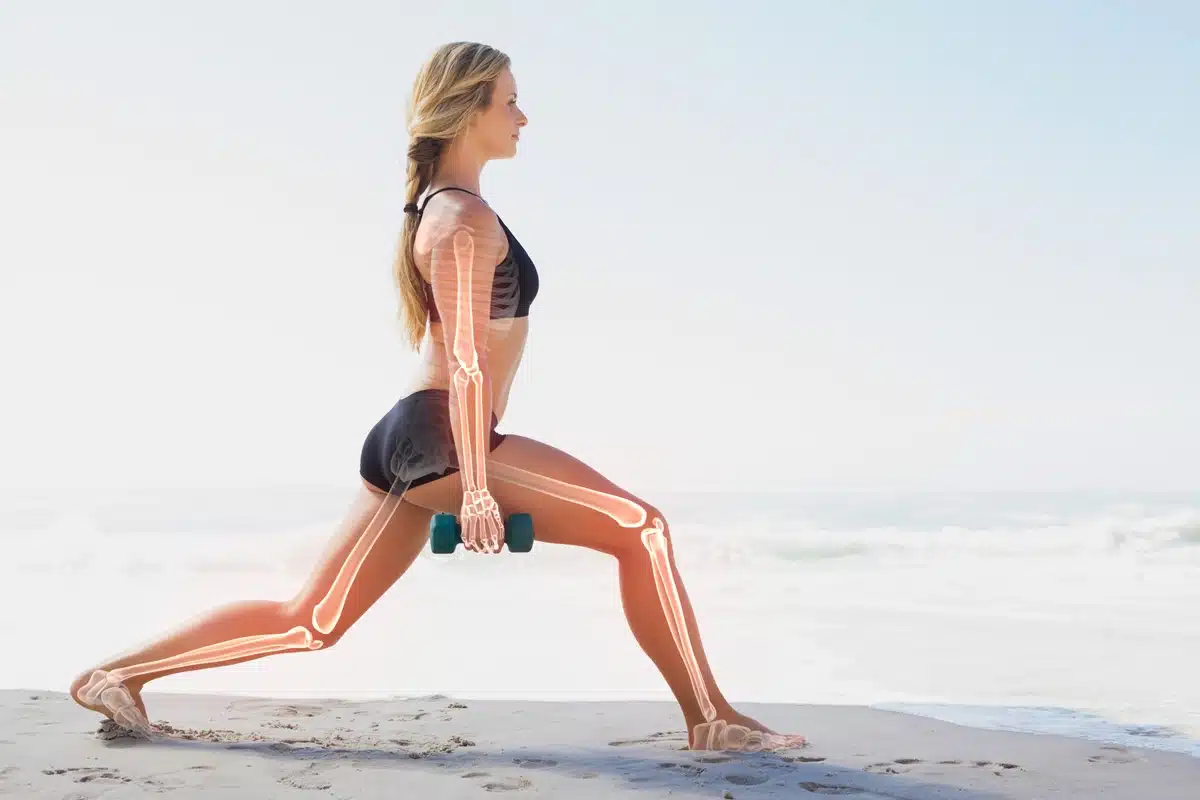
When we think about staying healthy after 40, we tend to focus on things we can see or feel: maintaining muscle, keeping our weight under control, having enough energy and staying fit. Our bones are easier to forget. You can't see bone loss happening. You usually can't feel it either. And for many women, the first obvious sign that their bones have become weaker is a fracture. That's one reason bone health has become such a priority for me in my 40s. I'm 42, and this is one of the reasons I focus so hard on strength training in this phase of life. Yes, I want to be strong now. But I'm also thinking about the body I want at 60, 70 and 80. Because the years around...

Share
Natto

The Japanese Longevity Food You’ve Probably Never Heard Of

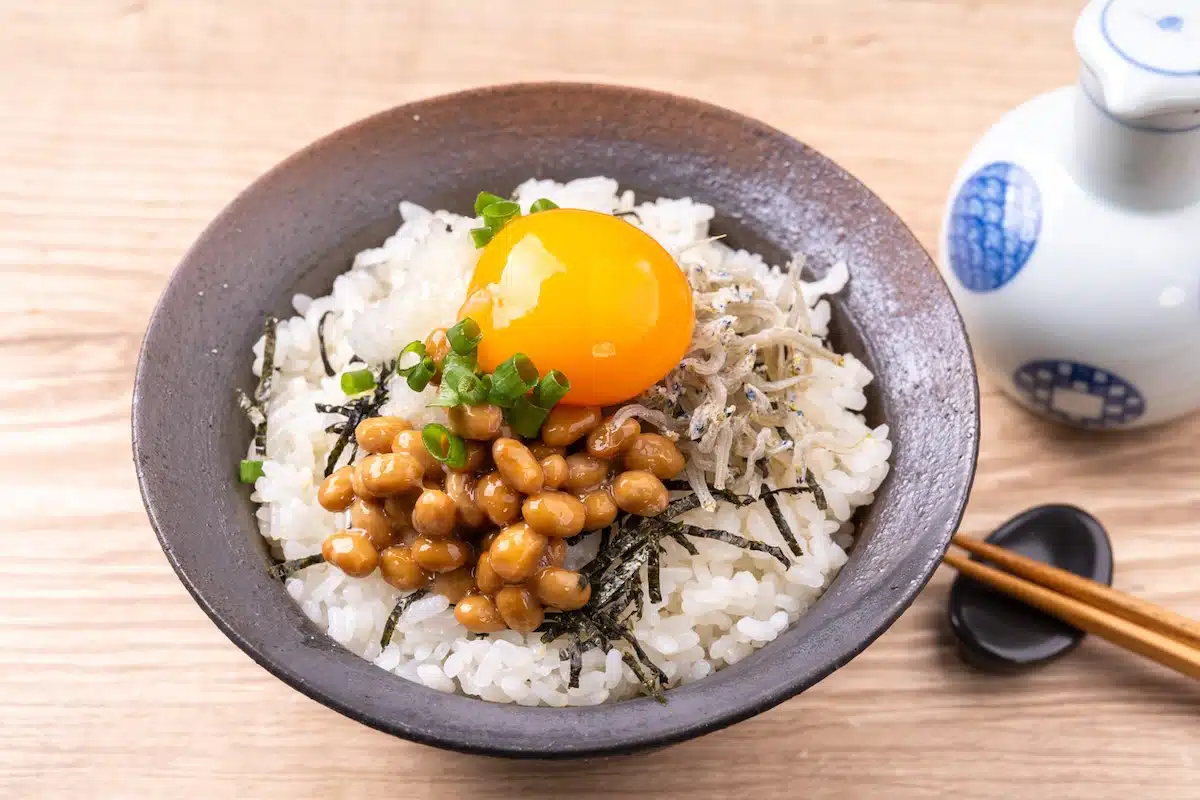
When we talk about Japanese longevity, certain things tend to come up again and again: green tea, fish, walking, fermented foods, smaller portions and the concept of ikigai. But there is another traditional Japanese food that gets considerably less attention in the West. It's called natto. If you've ever seen it, you probably remember it. Natto is made from fermented soybeans and has a very distinctive sticky, stringy texture and strong smell. It's certainly not the easiest Japanese food to introduce to a Western breakfast table. But nutritionally, natto is fascinating. It contains protein, fiber, vitamin K2 and various compounds produced during fermentation. Most interestingly for longevity, natto is the natural source of an enzyme called nattokinase, which has become increasingly studied for its potential effects on cardiovascular health...

Share
Are seedoils bad

Why I Don’t Use Seed Oils Anymore | Are Seed Oils Bad?

For years, vegetable oils were presented as the healthier alternative to traditional fats like butter. Part of that shift can be traced back to the work of Ancel Keys and the Seven Countries Study, which helped popularize the idea that saturated fat was a major driver of heart disease. The study became hugely influential in shaping low-fat dietary advice, even though its observational design and interpretation have been debated ever since. Vegetable oils then became almost impossible to avoid, appearing in everything from salad dressings and mayonnaise to protein bars, restaurant meals, chips, crackers, sauces, and foods marketed as “healthy.” I used to consume them too. But the more I learned about how these oils are produced, their high concentration of omega-6 linoleic acid, and what can happen...

Share
Heart rate variability

How to Increase HRV Naturally

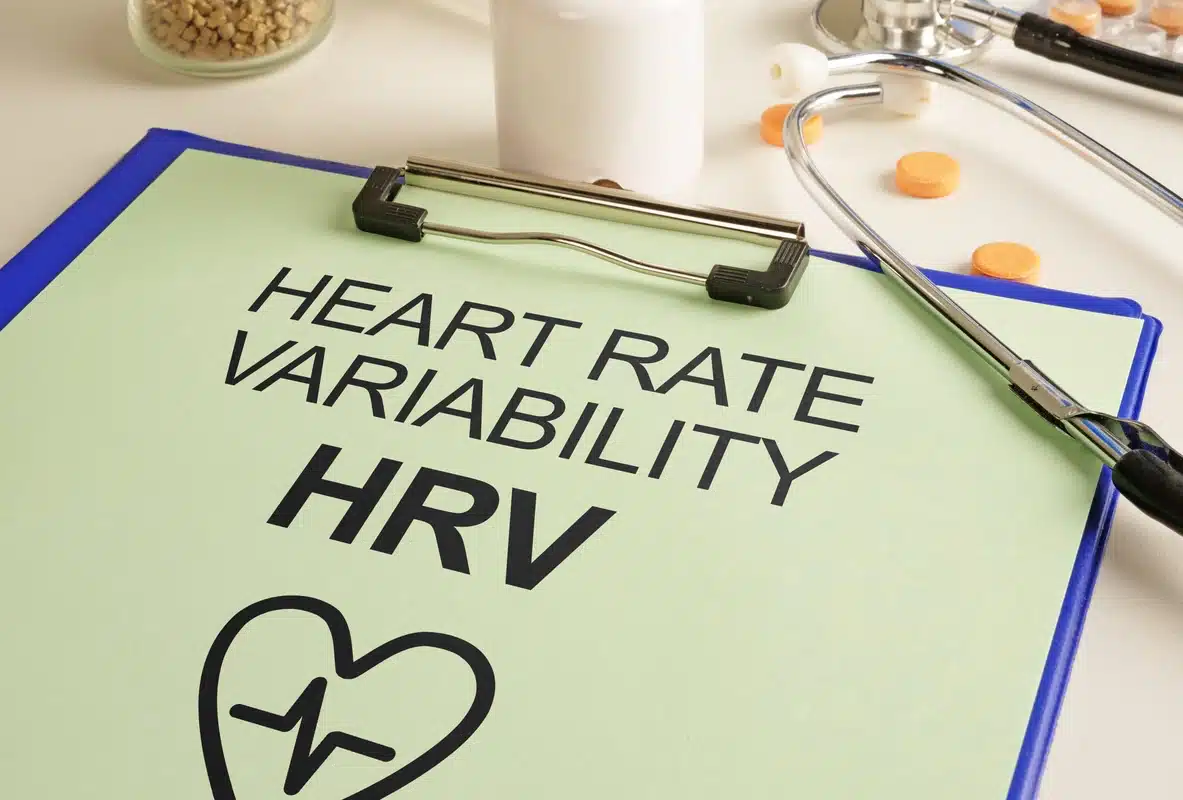
If you've ever looked at your Oura Ring, Garmin, Apple Watch, or WHOOP app, you've probably noticed a number called HRV, or Heart Rate Variability. At first glance, it can seem confusing. Is a higher number always better? Should you worry if it suddenly drops? And what does it actually say about your health? Over the last few years, HRV has become one of the most talked-about health metrics, and for good reason. Unlike your resting heart rate, which simply measures how many times your heart beats each minute, HRV provides insight into how well your body is recovering, adapting to stress, and maintaining balance. While no single number can define your health, HRV can offer valuable clues about how your nervous system is functioning and whether...

Share
Longevity Habits

Why Longevity Habits Don’t Stick, and How to Build Ones That Do After 40

We are living through a golden age of longevity information. There has never been more of it: studies, protocols, podcasts, endless advice on how to age well. And after years of writing about this, with a background in public health and my own trip through perimenopause, here is the honest truth I keep landing on: for most women over 40, the problem is not a lack of information. We know we should lift weights, prioritize protein, protect our sleep, keep our stress in check, and move more. I have written about what actually matters for longevity after 40 more than once. We have known this stuff for years. And yet. If knowing were enough, we would all be thriving. Instead, most of us start strong on a Monday,...

Share