Hacks for Wellness

Welcome to Hacks4Wellness

Hacks4Wellness was created from a genuine passion for health, longevity, nutrition, exercise, and biohacking. As a woman in my forties, I’ve spent more than a decade exploring ways to improve my own health, from the fundamentals of nutrition, movement, and sleep to emerging research and new wellness technologies.

With a background in Public Health and certification as a Nutrition Coach, I combine what I’ve learned through education and research with my own real-world experiences and experiments.

Hacks4Wellness is where I share what I discover along the way, with one goal: to help make healthier living and longevity more practical, understandable, and achievable.

Contact

Hacks4Wellness wouldn’t be what it is without its readers and community. If you have a question, an idea for something you’d like me to explore, feedback on the site, or simply want to say hello, I’d love to hear from you.

Feel free to get in touch anytime.

Email: info@hacks4wellness.com

Instagram: @longevity_aspirant

TikTok: @longevity.aspirant

Top
Natto

The Japanese Longevity Food You’ve Probably Never Heard Of

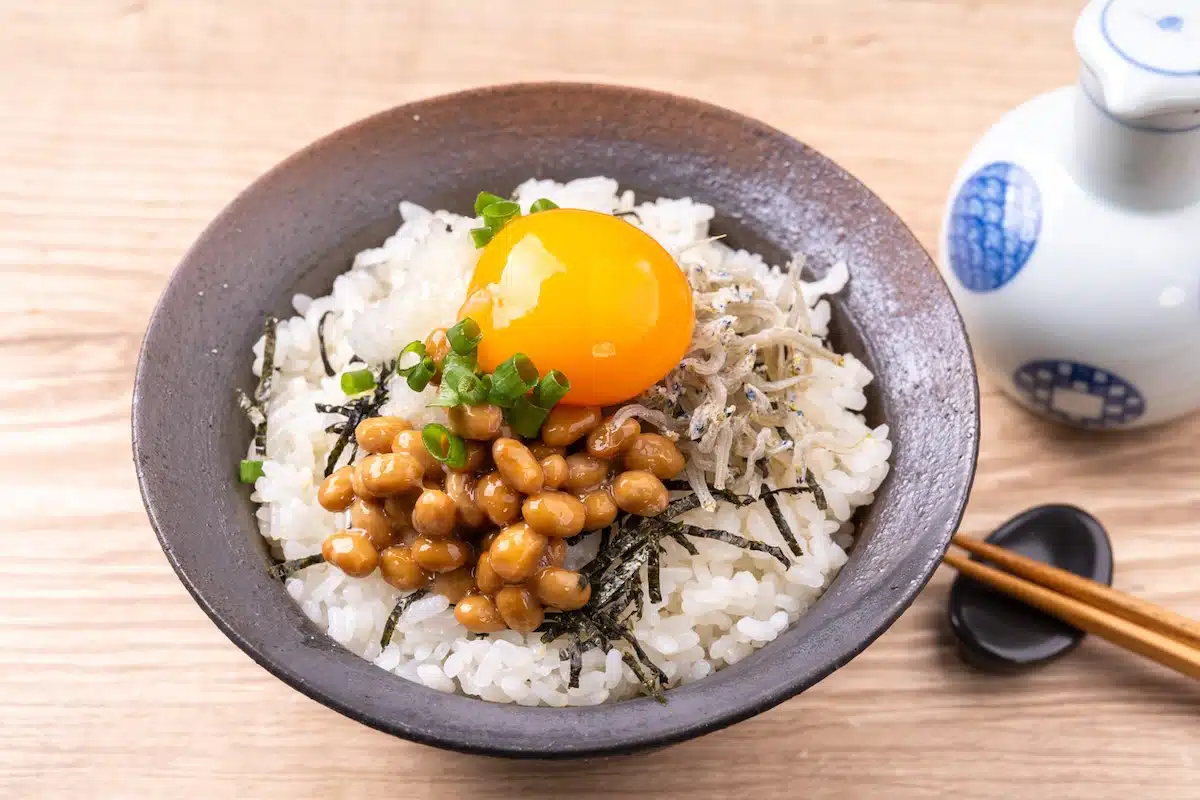
When we talk about Japanese longevity, certain things tend to come up again and again: green tea, fish, walking, fermented foods, smaller portions and the concept of ikigai. But there is another traditional Japanese food that gets considerably less attention in the West. It's called natto. If you've ever seen it, you probably remember it. Natto is made from fermented soybeans and has a very distinctive sticky, stringy texture and strong smell. It's certainly not the easiest Japanese food to introduce to a Western breakfast table. But nutritionally, natto is fascinating. It contains protein, fiber, vitamin K2 and various compounds produced during fermentation. Most interestingly for longevity, natto is the natural source of an enzyme called nattokinase, which has become increasingly studied for its potential effects on cardiovascular health...

Share
Heart rate variability

How to Increase HRV Naturally

If you've ever looked at your Oura Ring, Garmin, Apple Watch, or WHOOP app, you've probably noticed a number called HRV, or Heart Rate Variability. At first glance, it can seem confusing. Is a higher number always better? Should you worry if it suddenly drops? And what does it actually say about your health? Over the last few years, HRV has become one of the most talked-about health metrics, and for good reason. Unlike your resting heart rate, which simply measures how many times your heart beats each minute, HRV provides insight into how well your body is recovering, adapting to stress, and maintaining balance. While no single number can define your health, HRV can offer valuable clues about how your nervous system is functioning and whether...

Share