Welcome to Hacks4Wellness.com – your ultimate destination for health optimization and longevity. Our mission is to provide you with essential keys for longevity and a vibrant, healthy life through practical insights, science-backed tips, and the latest health trends.
With a holistic approach to wellness, we explore the interconnected aspects of health – physical, spiritual, emotional, mental, and social. From in-depth guides on diets and nutrition to thought-provoking articles, you’ll find a wealth of knowledge tailored to inspire and empower you.
To further support your journey, we offer interactive health tools like our BMI Calculator and Protein Intake Calculator, designed to help you better understand and manage your health goals. Whether you’re looking to optimize your nutrition, become a biohacker, track your progress, or simply find motivation, we’re here to make wellness accessible and actionable.
Our goal is simple: to share all the hacks, tips, and insights that can elevate your well-being and help you build a healthier, more fulfilling life. Explore, discover, and let Hacks4Wellness.com be your trusted companion on your path to health, wellness and longevity.
Optimize Your Health and Longevity with DoNotAge
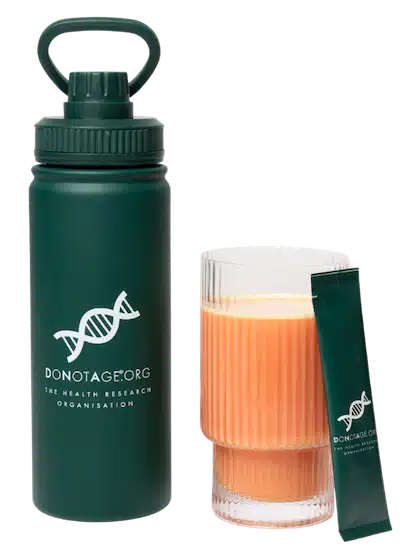
Take your wellness journey to the next level with DoNotAge.org, a trusted provider of scientifically-backed longevity supplements. From boosting energy to supporting cellular health, their premium range is designed to help you live a longer, healthier life.
Exclusive Offer: Use code KAJSA at checkout for 10% off your order and start investing in your future today!

There are many factors that determine our overall health and well being. To live a healthy lifestyle it is important not to focus on just one aspect of this, such as weight. The entire person is interconnected, one part can affect another. For example, it becomes difficult to lose weight when you are constantly stressed because the body has a natural tendency to store energy in such a state. This is just one example of how different parts of our lives combine to determine our health. Here are the primary focus areas we concentrate on in our quest for a longer and healthier life (longevity) below.

Physical activity has many health benefits. It can help prevent high blood pressure, enhance your mood, support weight loss, improve sleep quality, and boost your energy levels. Exercise is an important part of overall health and well being, and living a long and healthy life.

Just as important as taking care of your body is taking care of your mind. There is a concept called “the mind body and spirit connection”. This means that we are more than just our physical body. Taking care of your mind and spirit can lead to a better well-being. One way to do that is to meditate.

Nutrition is a cornerstone of good health, and in our approach to health and wellness, nutrition plays the most vital role. What we eat has a huge impact on how we feel and how well we perform in various aspects of life. A proper nutrition can strengthen the immune system and can greatly decrease the risk of disease.

Metabolic balance is important for everyone to live a longer and healthier life. The factors by which metabolic health can be assessed include blood sugar levels, blood pressure, triglycerides, weight, and cholesterol. This balance is crucial for preventing metabolic syndrome, which is a condition that raises the risk of diabetes, heart disease and stroke.
Your biological age reflects how well your body is functioning, not just the number of candles on your birthday cake. With GlycanAge, you can uncover your true age from the inside out. This cutting-edge test analyzes glycans—powerful biomarkers of health and immune system function—to reveal how lifestyle and aging are impacting your body.
Use GlycanAge to gain valuable insights, track the effects of your health strategies, and take control of your longevity journey.
There are many different diets but not all diets are suited for everyone. Read more about these diets and the science behind them.
We love working out and what it's doing to both our physical and mental health. Read more about our best fitness hacks.
We love to try new Health Gadgets that help us with our biohacking. Read about our experiences with everyday gadgets that can monitor our health.
Intermittent fasting, or limiting food intake to specific periods of the day, has been associated with numerous health benefits according to many studies. There are various methods of practicing intermittent fasting, one of which is the 16:8 method. This involves skipping breakfast, having the first meal later in the day, and finishing the last meal by 8 pm, resulting in an eating window of 8 hours. During the fasting period, only water, tea, and coffee are consumed, avoiding any caloric intake.
👉 If you want to boost your Intermittent Fast, you should try Perfect Keto’s Exogenous Ketones Drink Mix
➡️ Improve Cell Repair Processes
➡️ Reduce Inflammation
➡️ Burn Fat
➡️ Benefit Heart Health
➡️ Reduce Insulin Resistance
Exercising regularly in different forms is a key part of our daily routine. We focus on a mix of resistance training, Zone 2 cardio, and walking to maintain optimal health. Resistance training, such as weight lifting, becomes increasingly important as we age. It helps lower the risk of injuries, enhances strength, and promotes better mobility and independence. Zone 2 cardio, performed at a steady and moderate intensity, boosts cardiovascular health, improves fat metabolism, and supports longevity. Walking, a simple yet powerful activity, contributes to better mood, cardiovascular health, and overall well-being. Together, these forms of exercise create a balanced and sustainable fitness routine.
➡️ Maintain Weight
➡️ Lower Blood Pressure
➡️ Boost Mood
➡️ Strengthens Bones
➡️ Injury Prevention
Red light therapy is a daily routine for many who prioritize health optimization. Using a red/infrared light panel at home can help compensate for the lack of exposure to the sun’s full natural light spectrum, which most people don’t receive enough of during the day. A deficiency in natural light exposure has been linked to various health issues. Regular red and infrared light exposure may provide positive biochemical effects, supporting overall well-being. It’s also a great way to rejuvenate your skin.
👉 Buy your Red Light Therapy Device at Mvolo
➡️ Reduce inflammation
➡️ Strengthens the Mitochondria
➡️ Heals Wounds and Injuries
➡️ Increase Blood Flow
➡️ Promote Healthy Aging
The food you eat has a profound impact on your health and well-being. Ultra-processed foods (UPFs) and added sugar are major culprits in modern diets, often leading to inflammation, weight gain, and poor metabolic health. Clean eating focuses on consuming whole, natural foods while avoiding industrially processed ingredients and artificial additives. Prioritizing fresh produce, quality proteins, healthy fats, and unrefined carbs helps nourish your body and mind.
➡️ Stable Energy Levels
➡️ Better Glucose Control
➡️ Improved Digestion
➡️ Weight Management
➡️ Reduced Inflammation
Regular sauna sessions offer a wide range of health benefits that go beyond relaxation. Studies have shown that consistent sauna use can reduce the risk of all-cause mortality, including cardiovascular disease, by up to 40%. The heat exposure promotes cardiovascular health, aids detoxification, and stimulates the release of endorphins for stress relief. Sweating in the sauna can also support muscle recovery, reduce inflammation, and contribute to longevity. Adding sauna sessions to your weekly routine is a simple, science-backed way to optimize overall well-being.
➡️ Boost Heart Health
➡️ Support Muscle Recovery
➡️ Reduce Inflammation
➡️ Detoxify the Body
➡️ Promote Relaxation and Stress Relief
We prioritize obtaining essential nutrients through the food we eat but complement this with select supplements when necessary to support overall health and healthy aging.
Vitamin D: Supplemented during the winter season due to limited sunlight in the Nordics, supporting immune function and bone health.
Magnesium: Known to promote relaxation, improve sleep quality, and aid in muscle and nerve function.
NMN: NMN is a powerful supplement that helps counteract declining NAD+ levels, enhancing mitochondrial function and addressing age-related symptoms.
CoQ10: Supports mitochondrial energy production, promotes heart health, and helps reduce oxidative stress for better vitality and cellular protection.
Spermidine: Spermidine is a natural compound linked to cellular rejuvenation through autophagy, which can slow aging and promote longevity.
Creatine: Traditionally used for physical performance, creatine is now recognized for its role in supporting cognitive function and brain health as we age.
👉 Buy your Longevity Supplements at DoNotAge. Use code KAJSA for 10% discount
➡️ Promotes Healthy Aging
➡️ Boosts Physical and Mental Performance
➡️ Improves the Immune System
➡️ Enhances Sleep and Recovery
In our blog, we mix daily experiences with thoughts about health. We also write about the latest research within health, wellness and biohacking. Hopefully you will find some ideas, tips and health hacks that can improve your daily life.
There are few other things that affect our health as much as what we eat. You can exercise as much as you want, but if you don’t make any changes to your diet, there is a big risk that you don’t get the results you want. Especially if you want to lose weight. There is a great saying that goes like this “You get fit in the gym, but you lose weight in the kitchen”. From our own experience, nothing could be more true. But diet and nutrition does not only affect our weight. There are many other reasons to eat a healthy and clean diet. What we eat can affect our overall health and longevity.
According to a new study, our diet can influence our risk of dying from stroke, heart disease and type 2 diabetes. So, while a healthy diet can help protect us from these diseases, an unhealthy diet can do the opposite. That’s why it’s so important what we put in our mouth during a longer period of time.
We don’t think a certain diet fits everyone. We are all individuals with different genes and tendencies. The only thing we believe is general is that we are not meant to eat lab produced and ultra processed food. Today, 60% of the total daily caloric intake for a person living in the United States comes from the UPF. A high UPF consumption is not only associated with poor diet quality. Research has also found strong associations between a high intake of ultra processed foods and health risks such as obesity, type 2 diabetes, depression and cardiovascular diseases. Just check the articles that can be found at the Global Food Research Program website. On this topic, We also recommend you to read Ultra-Processed People by Chris Van Tulleken.
Our view on diets and nutrition is that you should eat food that’s meant for the human body. We strive to get the majority of our intake from unprocessed food that contains only one ingredient. Examples are meat, vegetables, eggs, fruit, honey and fish. If you have to scroll down a list of ingredients, there are probably better things that you can eat.
Vegetables provide fiber, antioxidants, and phytonutrients that support gut health, metabolic function, and long-term cardiovascular health. We focus on a variety of vegetables while being mindful of individual tolerance, preparation methods, and overall digestive response, especially for those with sensitive digestion.
Quality protein is foundational for metabolic health, muscle preservation, hormone production, and healthy aging. We prioritize minimally processed, nutrient-dense protein sources such as organic eggs, grass-fed meat, wild-caught fish, and seafood. These foods provide essential amino acids, bioavailable vitamins, minerals, and healthy fats that are difficult to obtain from ultra-processed alternatives.
Healthy fats are foundational for hormonal balance, brain function, satiety, and stable energy. We focus on traditional, minimally processed fat sources such as olive oil, butter, ghee, tallow, fatty fish, nuts, and seeds, while avoiding industrial seed oils that contribute to inflammation and metabolic dysfunction.
Longevity can be described as the science of extending life and to improve the quality of life. There is a fast growing interest for longevity and it is in this science that many investors are putting their money right now. Even if a longer life is a desirable outcome, longevity also has a goal to extend the years that we are healthy. So, it is not only about becoming as old as possible but to be able to have a rich and healthy life even when we reach older ages.
Studies have shown that small individual efforts can increase healthy life expectancy. In that way we can affect our own health in a positive way by just making some small changes in our day-to-day life. Examples of small efforts you can make for longevity include micro-meditation, regular exercise, and improving your sleep patterns
There are many factors that determine longevity such as genetics, lifestyle and environment. You might think that our genes determine the outcome of our life. But there is actually also something called epigenetics, which means that we can affect the way our genes work by changing our behaviors and environment. This information can be hopeful for people thinking that the lifespan is already predetermined.
As the number of “aging companies” keeps growing, we have just seen the beginning of the longevity industry. There are already longevity supplements, regenerative aesthetics therapies, biohacks, biological age tests and longevity boosting technologies out on the market. As we are very curious about all new longevity technologies, we try to test everything we can. We share everything about these tests here on Hacks4wellness.com.
Fasting has become a major health trend lately. But the fact is that fasting or calorie restriction is a practice that goes back centuries. Still it is an essential practice in many religions and cultures. Personally I came in contact with fasting and intermittent fasting when BBC aired a documentary with the medical journalist Michael Mosley and his 5:2 diet. A diet that promoted eating normally for five days a week and fasting for two days. This was back in 2012 and a lot has happened on the fasting scene since than.
Today, it’s more common to either water fast one day per week or practice intermittent fasting with eat windows. I prefer the latter where I fast between 8 pm and 12 pm. This gives me an eating window of 8 hours. During the fasting hours I only drink water, coffee and tea. This method is called 16:8 but there are other similar versions of this method.
Fasting is not for everyone, but for people who do, it has many proven health benefits. For example, it may improve blood sugar control, decreased blood pressure, decreased cholesterol and triglyceride levels and positive effects on cognitive functions. You also become more metabolically flexible which means that you improve the ability to respond or adapt to conditional changes in metabolic demand. Normally, the body uses glucose as the main fuel. But with a metabolic flexibility it can use stored fat in absence of glucose. This has positive effects such as weight loss and decreased blood sugar fluctuations. Fasting can be different for men and women. Learn more about how Intermittent Fasting for Women can be different.
One of the most interesting findings about intermittent fasting is autophagy, a finding made by Japanese professor Yoshinori Ohsumi. A finding that led to Yoshinori Ohsumi receiving the Nobel Prize in Physiology or Medicine. Autophagy is a cellular process where damaged, old and unnecessary parts of the cells are destroyed. Fasting or calorie restriction is according to many researchers a trigger for autophagy as autophagy is believed to start when the insulin and glucose levels drop significantly.
Many studies have found fasting to improve blood sugar control which can reduce the risk of type 2 diabetes. It can also prevent blood sugar spikes and keeping your blood sugar steady.
It's been shown that fasting can trigger autophagy which is a self-degradative process where the cell removes dysfunctional, damaged and dead components of itself. It's like our bodies are recycle damaged cell parts into functional cell parts.
With fasting you can improve your body's ability to rapidly switch between burning glucose and fatty acids. This mean that you will get a more efficient metabolism and fewer cravings.
Some of the choices that shape your health, energy and mindset the most aren’t always the easiest ones in the moment.
But interestingly, they almost always feel good afterwards. 😍
Over time, these small decisions quietly become the foundation of how you feel day to day. The resistance to doing these things also becomes smaller as you adapt and the habits become more automatic. At least that’s how it has been for me.
Going for convenience might work in the short term. But if you want long-term results, growth and staying healthy as you age… doing the harder things usually has the bigger ROI.
💬 Which habit do you find hardest to start?
📌 Save this post for the days when motivation feels low.
📚 Comment EMAIL if you want to join my newsletter and receive my free longevity eBook.
#health #wellnessjourney #midlifehealth #perimenopausehealth #healthoptimization
The human body was designed to move in a few fundamental ways. 💪
1. Squat.
2. Hinge.
3. Lunge.
4. Push.
5. Pull.
6. Carry.
These foundational movement patterns support strength, mobility and long-term independence. When we stop using them regularly, everyday tasks gradually become harder.
Training these patterns consistently helps protect your joints, maintain muscle and keep your body capable for decades.
Use it or lose it. 💪
💬 Which of these movements do you train most often?
👉 Comment EXERCISES if you want my free printable guide with simple exercises based on these foundational patterns.
💾 Save this post as a reminder for your workouts.
#strengthover40 #functionalfitness #healthyaging #womenshealthover40 #movementpatterns
One day, your body will become your priority.
Either because you choose to care for it…
or because you’re forced to.
We often treat health like it’s optional.
Like we can postpone sleep.
Delay strength training.
Ignore nutrition.
Push through stress.
Until the body starts whispering.
Then nudging.
Then demanding attention.
Longevity isn’t about fear.
It’s about freedom. 🤍
The freedom to move without pain.
To think clearly.
To feel strong in your 50s, 60s and 70s.
To stay independent.
Your future health is built quietly, daily, in small decisions.
You can make your body a priority now.
Or wait until it forces you to.
Which will you choose? 💭
Save this as a reminder to take care of your body 🤍
Follow for more health inspiration ✅
#longevitymindset #healthover40 #womenshealthjourney #holistichealth #dailyquotes
You can’t stop aging. But you can influence how you age. 💚
When people talk about longevity, they often focus on supplements, trends or quick fixes. But biological aging is influenced by a few key areas that matter far more than the latest “biohack”.
In this reel, I break down five key areas that have a major impact on biological aging and how to improve them. These foundations may not sound glamorous, but they are incredibly powerful. 💪
If you focus on these areas consistently, you’ll start to notice a real difference in how you feel. You can’t stop aging, but you can make the slope much less steep.
💬 Which of these areas are you currently focusing the most on?
🧬 Curious about your biological age? Comment TEST and I’ll share how you can measure it.
📌 Save this as a reminder to focus on what truly moves the needle.
#longevity #healthyaging #womenover40 #midlifehealth #longevitylifestyle
Your body is made up of many systems working together. And interestingly, different habits support different parts of that system. 🧐
Strength training helps protect your bones and muscles.
Cardio supports your heart.
Nature helps calm your nervous system.
And simple things like walking, heat exposure, or light can support recovery, circulation and cellular energy.
When you look at health through this lens, habits stop feeling random. Instead, they become small daily investments in how your body functions over time. 🤍
You don’t have to do everything perfectly. But adding a few supportive habits each week can make a big difference for your long-term health and longevity.
💬 Which of these habits are already part of your weekly routine?
📚 Comment EMAIL if you want more health and longevity tips.
💾 Save this post if you want to build habits that support your whole body.
#longevity #healthyhabits #wellnesstips #biohacking #midlifehealth
Sleep often changes after 40. 🧐
Hormones, stress, blood sugar and light exposure all start to influence how easily you fall asleep and how rested you feel the next day.
The good news is that small daily habits can make a big difference. 🙌
Supporting your circadian rhythm, nervous system and recovery doesn’t require extreme routines. Often it’s the simple things done consistently that protect your sleep over time.
These are some of the habits that help me support better sleep, recovery and hormonal balance in midlife. 👆
💬 What’s your best sleep hack?
😴 Comment GLASSES if you want to learn more about blue light blockers, and what they can do for your sleep.
💾 Save this post as a reminder.
#sleepafter40 #perimenopausehealth #sleephabits #hormonehealth #longevity
Limiting ultra-processed foods and added sugar is probably the best thing I’ve done for my health in midlife. 🙌 Less cravings, better satiety, more balanced mood, feeling stronger... and the list goes on. This has definitely contributed to my biological age testing 12 years younger.
But from my own experience, and from many women I speak to in midlife, limiting ultra-processed foods, refined carbs and added sugar is not easy. And it’s definitely not about willpower or discipline. 🙅♀️
To make it easier to build a healthy lifestyle, I recommend focusing on protein and fiber. That has been my way.
Below are the protein-rich and fiber-rich foods I eat on repeat to stay full, balanced and without constant cravings 💚
Protein sources:
1. Greek yogurt (unflavoured)
High in protein, versatile, and keeps me full for hours without added sugar.
2. Salmon
Rich in protein and omega-3s, supporting both muscle and hormonal health.
3. Organic grass-fed beef
Nutrient-dense and very satiating, especially when strength training regularly.
4. Cottage cheese
An easy high-protein option that works for breakfast, snacks or savory meals.
5. Chicken
Simple, lean and reliable. A staple for balanced, protein-focused meals.
Fiber sources:
1. Chia seeds (always soaked)
A powerful source of fiber that supports digestion and keeps blood sugar more stable.
2. Beans
Great for both fiber and plant protein, and very supportive for gut health.
3. Raspberries
High in fiber for a fruit, and naturally sweet without spiking cravings.
4. Broccoli
Supports digestion, detox pathways and adds volume to meals.
5. Avocado
Rich in fiber and healthy fats, helping with satiety and stable energy.
Simple foods. Repeated often. 🥦
💬 What foods do you eat on repeat?
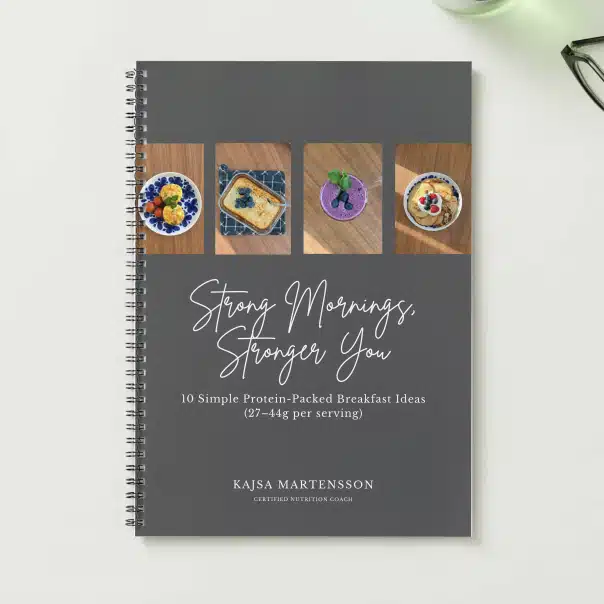
👉 Need inspiration for high-protein breakfasts? Comment STRONGER.
💾 Save this as a reminder.
#midlifehealth #perimenopause #protein #nutritiontips #womenshealthover40
Chronic stress doesn’t always look like stress. Sometimes it shows up in unexpected ways, like the ones I describe on the slides above. 👆
Maybe you can recognize yourself in one or more of these signs? You’re not alone. It’s very common in midlife.
Cortisol is your body’s main stress hormone, and while it’s essential for survival, chronically elevated levels can affect everything from metabolism to sleep and mood.
And this becomes even more relevant in midlife.
During perimenopause and menopause, declining estrogen can make the body more sensitive to stress hormones. That means the same lifestyle that worked in your 30s may suddenly feel very different in your 40s and 50s. ♀️
The good news is that cortisol regulation is strongly influenced by daily habits. Supporting healthy cortisol levels often starts with fundamentals like:
• Quality sleep
• Stable blood sugar
• Strength training
• Time in nature
• Nervous system regulation
Small daily choices can make a big difference over time when it comes to stress resilience and long-term health. 🤍
💬 Have you noticed any of these signs yourself?
💾 Save this post if you want to come back to these reminders later.
💬 Comment EMAIL if you want more guidance on your wellness journey.
#cortisol #perimenopausehealth #womenshealthover40 #hormonehealth #longevityforwomen
Biohacking, also known as “DIY biology”, is the process of making small, intentional changes to your lifestyle, diet and habits in hope to enhance your health, performance and lifespan. By combining cutting-edge science with personalized approaches, biohacking empowers you to optimize your well-being from the inside out. Whether it’s a boost in energy, an improvement in sleep or an enhancement in mental clarity, biohacking has techniques and tools that have a scientific back up. Some of the most popular methods include:
Sleep Optimization: This is the process of improving sleep quality and this can be achieved through habits such as avoiding blue light and sticking to time schedule.
Intermittent Fasting: Harnessing the benefits of fasting to promote cellular repair and metabolic health.
Tracking Health Metrics: The use of devices and apps to monitor heart rate variability, sleep cycles, and daily activity.
Nutritional Biohacks: Incorporating targeted supplements, nutrient-dense foods, and avoiding ultra-processed options.
Although biohacking may seem like a new and complex concept, it can be broken down into small changes that can be easily incorporated into daily life. Over time, these changes can have a positive impact on your health and longevity. Interested in learning more?
You might wonder—what’s the point of taking health tests? Does it really make a difference? For many, exploring these tests provides valuable insights into their body, cells, and overall health. In recent years, biohacking has gained popularity as a proactive approach to improving physical and mental well-being. If you’re unfamiliar with the term, a biohacker is someone who actively seeks to optimize health and performance using methods from fields like nutrition, genetics, biology, and neuroscience. You can read more in our Beginner’s Guide To Biohacking.
The ultimate goal of biohacking is to improve overall wellness, enhance performance, and support longevity. By understanding your body better, you can make informed decisions about lifestyle changes, supplements, or other interventions to reach your health goals.
Health tests offer a wealth of information that can guide this process. For instance:
➡️ DNA Tests: Identify genetic predispositions and potential risk factors.
➡️ Biological Age Tests: Reveal how well your body is aging compared to your chronological age.
➡️ Blood Tests: Provide insights into key health markers, such as nutrient deficiencies or hormonal imbalances.
While these tests are not essential for optimizing health, they can be incredibly helpful in personalizing your wellness journey. For example, they may reveal nutrient deficiencies, food sensitivities, or underlying conditions you weren’t aware of. By leveraging this information, you can take targeted steps toward improving your overall health and well-being.
Beyond the food we eat, there are few things that promote health as much as physical activity. Humans are not developed to be still for very long periods. Instead we are made for movement. There are endless studies showing the health benefits of physical activity. That’s also why WHO has recommendations on physical activity and why doctors in some countries are prescribing physical activity on prescription.
According to WHO and many other sources, regular physical activities is proven to help noncommunicable diseases such as diabetes, heart diseases, several cancers and stroke. It can also improve the quality of life and well-being as well as improve mental health. All organs in the body are positively affected by moving. Do we need any more reasons to get physically active?
According to The Japanese Centenarian Study: Autonomy Was Associated with Health Practices as Well as Physical Status by Ozaki A et al, regular exercise and a sufficient protein intake are factors that can be linked to good aging. This mean, that physical activity and exercise is very important for longevity.
If you have difficulties getting started with regular exercises, it can be helpful to get an activity watch. With an activity watch you can find out your current status when it comes to steps you take and activities that you do. Then it will be easier to motivate yourself to exercise as you soon will see improvements in the different categories when you start training. With this gadget you can also set activity goals for each day or week.
Did you know that 15 minutes of exercise per day is long enough to make a difference for your health? According to scientific studies, 15 minutes a day of exercise has proven to be beneficial for your life expectancy and health.

Physical activity helps you maintain a healthy body weight and prevents you from gaining weight. Inactivity, on the other hand, plays a big role when it comes to weight gain and obesity.
Science has shown that physical activity can reduce the risk of getting chronic diseases such as heart disease, type 2 diabetes, stroke, some types of cancer, arthritis and hypertension.
Not only does physical activity release chemicals in your brain that make you feel good. Being active can also reduce depression, anxiety and negative mood. Exercise enhances self-esteem and cognitive function.
As important as it is to be physically active, it is also important to give the body time to rest. In the stress of living a modern life, it’s easy to forget the importance of rest and relaxation. Sleep plays an important role in health and longevity. Read more about Sleep Optimization in our guides. Scientific research also shows that restfulness and meditation play a vital role in promoting overall health and well-being.
There are numerous reasons to why you should take time to mediate regularly. For example, meditation can reduce stress, which is a problem that many people suffer from today. According to studies, regular practice of meditation can lower levels of cortisol which is our body’s stress hormone. What happens during meditation is that we calm our mind and enter a state of relaxation. In addition to ease the negative effects of stress, this state of relaxation can also contribute to lower blood pressure, less anxiety and less difficulty sleeping.
Enough rest is also essential for supporting overall health and longevity. It’s during our restful periods that our body undergoes crucial processes of repair, regeneration, and hormone regulation. It also promote recovery muscle growth after physical activity. Quality sleep is very important for all of us. Studies have shown that insufficient sleep is associated with a higher risk of chronic health conditions such as obesity, diabetes, cardiovascular disease, and depression.
If you want to maintain optimal health and well-being, it’s essential that you prioritize your sleep and recovery. So, take a moment to pause, breathe, and nurture your mind and body with the gift of rest and meditation. It will be worth it in the long run!