Hacks for Wellness

Welcome to Hacks4Wellness

Hacks4Wellness was created from a genuine passion for health, longevity, nutrition, exercise, and biohacking. As a woman in my forties, I’ve spent more than a decade exploring ways to improve my own health, from the fundamentals of nutrition, movement, and sleep to emerging research and new wellness technologies.

With a background in Public Health and certification as a Nutrition Coach, I combine what I’ve learned through education and research with my own real-world experiences and experiments.

Hacks4Wellness is where I share what I discover along the way, with one goal: to help make healthier living and longevity more practical, understandable, and achievable.

Contact

Hacks4Wellness wouldn’t be what it is without its readers and community. If you have a question, an idea for something you’d like me to explore, feedback on the site, or simply want to say hello, I’d love to hear from you.

Feel free to get in touch anytime.

Email: info@hacks4wellness.com

Instagram: @longevity_aspirant

TikTok: @longevity.aspirant

Top
Biohacking tools

5 Biohacking Tools I Actually Use: Are They Worth It?

I have a confession to make: I own a ridiculous number of biohacking gadgets. The fact that I own four different red light therapy devices probably tells you everything you need to know. Over the years, I've experimented with a lot of wellness technology. Some devices seemed exciting at first but eventually ended up forgotten in a cupboard. Others have become such a normal part of my routine that I barely think of them as biohacking anymore. That's ultimately my test for any health gadget. It can have impressive technology and fascinating research behind it, but if it's inconvenient or I don't feel I'm getting anything from using it, I'm probably not going to keep doing it. The five biohacking tools below are different. These are devices I genuinely...

Share
Glimmers for health

Glimmers: How Tiny Moments of Joy Can Improve Your Health

We spend a lot of time talking about our triggers: the situations, people and experiences that make us feel stressed, anxious or overwhelmed. But there's another side of the nervous system conversation that gets considerably less attention. What about the tiny experiences that make us feel good? The warmth of the morning sun on your skin. Your dog wanting to play. The first sip of coffee on a quiet weekend morning. Walking down a street you've never explored before. Laughing with friends until you temporarily forget everything else that's occupying your mind. These small moments have become known as glimmers. Unlike life's big milestones, glimmers are easy to overlook precisely because they're so ordinary. They might last only a few seconds, yet they can create a brief...

Share
Longevity Benefits Coffee

Is Coffee Good for You? The Surprising Health Benefits of Drinking Coffee

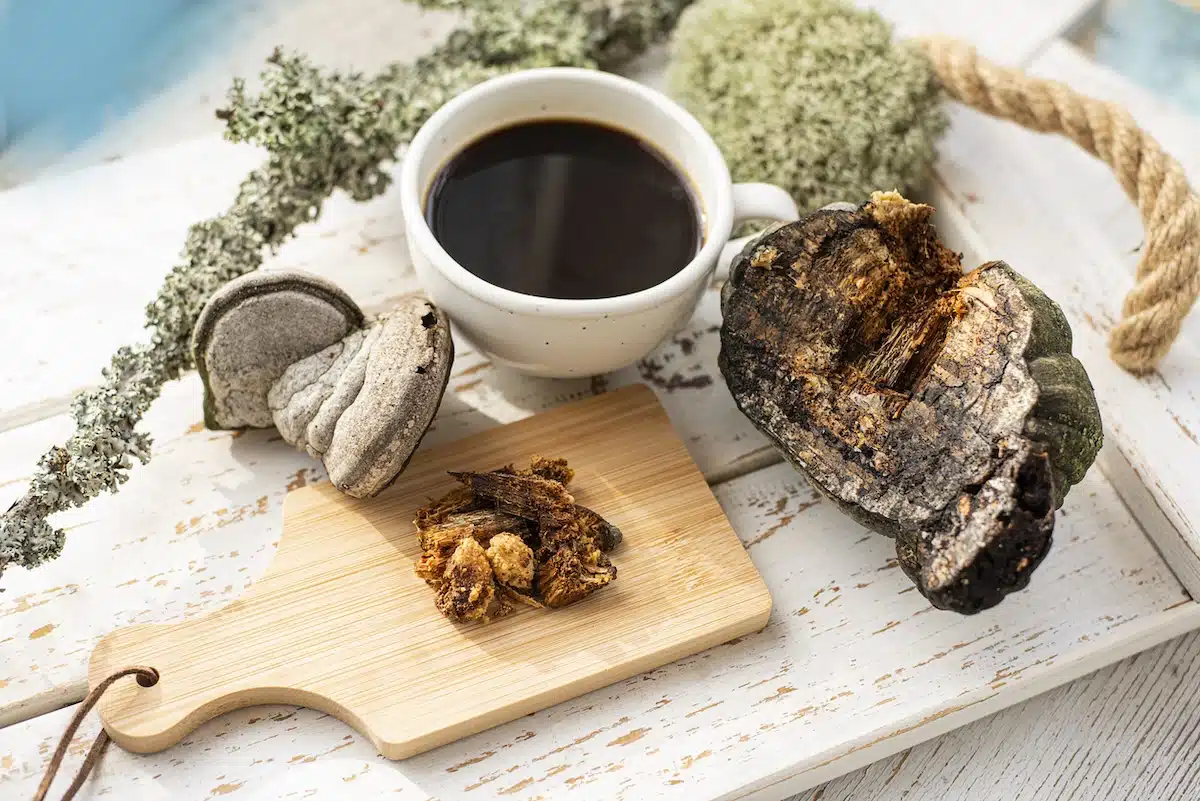
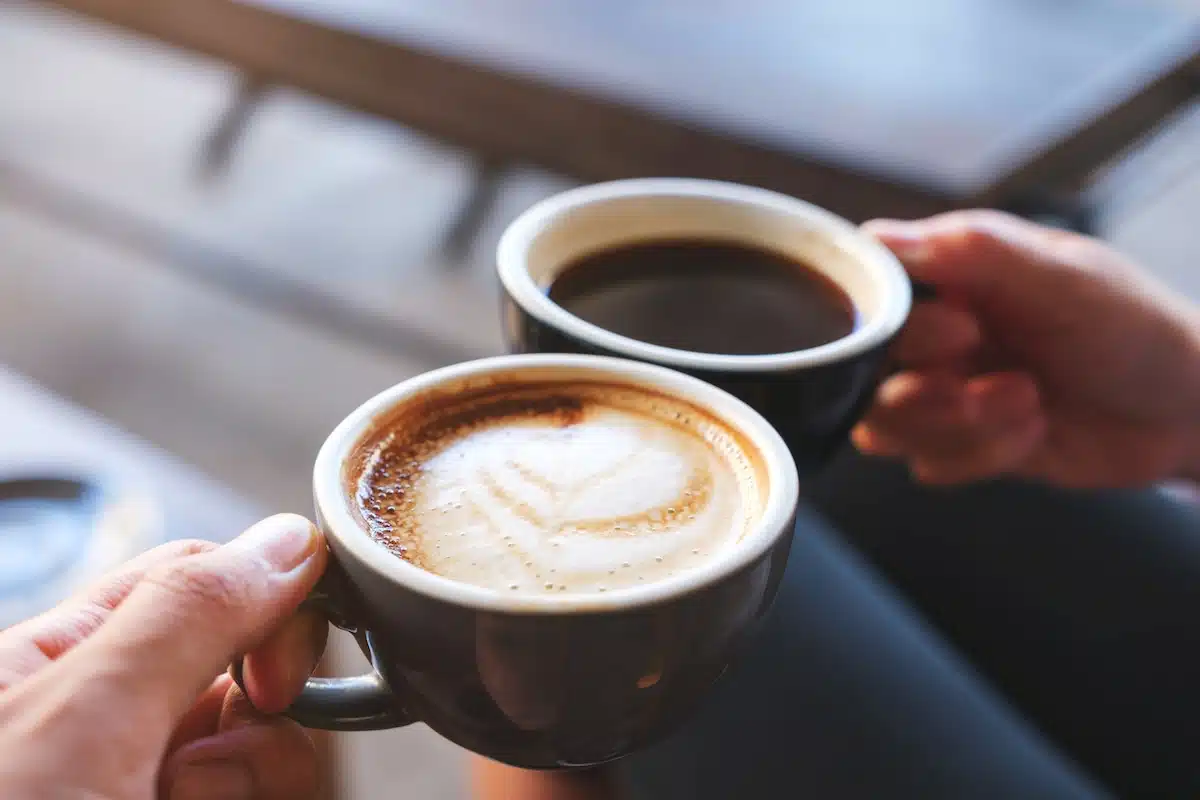
Coffee is one of those things we can't seem to make up our minds about. For years, it had a somewhat questionable reputation. Too much caffeine. Bad for your heart. Something you should probably cut back on. Today, the research paints a very different picture. Moderate coffee consumption has been associated with a lower risk of type 2 diabetes, cardiovascular disease, liver disease, cognitive decline and even premature death. In one major umbrella review looking across hundreds of analyses, coffee consumption was more often associated with health benefits than harm, with some of the strongest associations appearing at around three to four cups per day. And now, new research published in JAMA in 2026 has added another intriguing piece to the puzzle: coffee may also be associated...

Share
Adaptogens

Adaptogens Explained: Can They Really Help Your Body Handle Stress?

Stress has become such a normal part of modern life that sometimes we barely notice it anymore. Work deadlines. Notifications. Poor sleep. Hard workouts. Family responsibilities. Too much caffeine. Not enough downtime. Even things we choose because they're good for us, like exercise, still place temporary stress on the body. Recently, I've become increasingly interested in adaptogens, a group of herbs, roots and mushrooms that are often described as helping the body become more resilient to stress. The wellness world has certainly embraced them. You'll now find adaptogens in everything from coffee and gummies to powders, supplements and functional drinks. But what exactly is an adaptogen? Do they actually lower cortisol? And are medicinal mushrooms like Lion's Mane really adaptogens? What Are Adaptogens? The concept isn't new. The term adaptogen...

Share
Perimenopause symptoms

What No One Tells You About Perimenopause

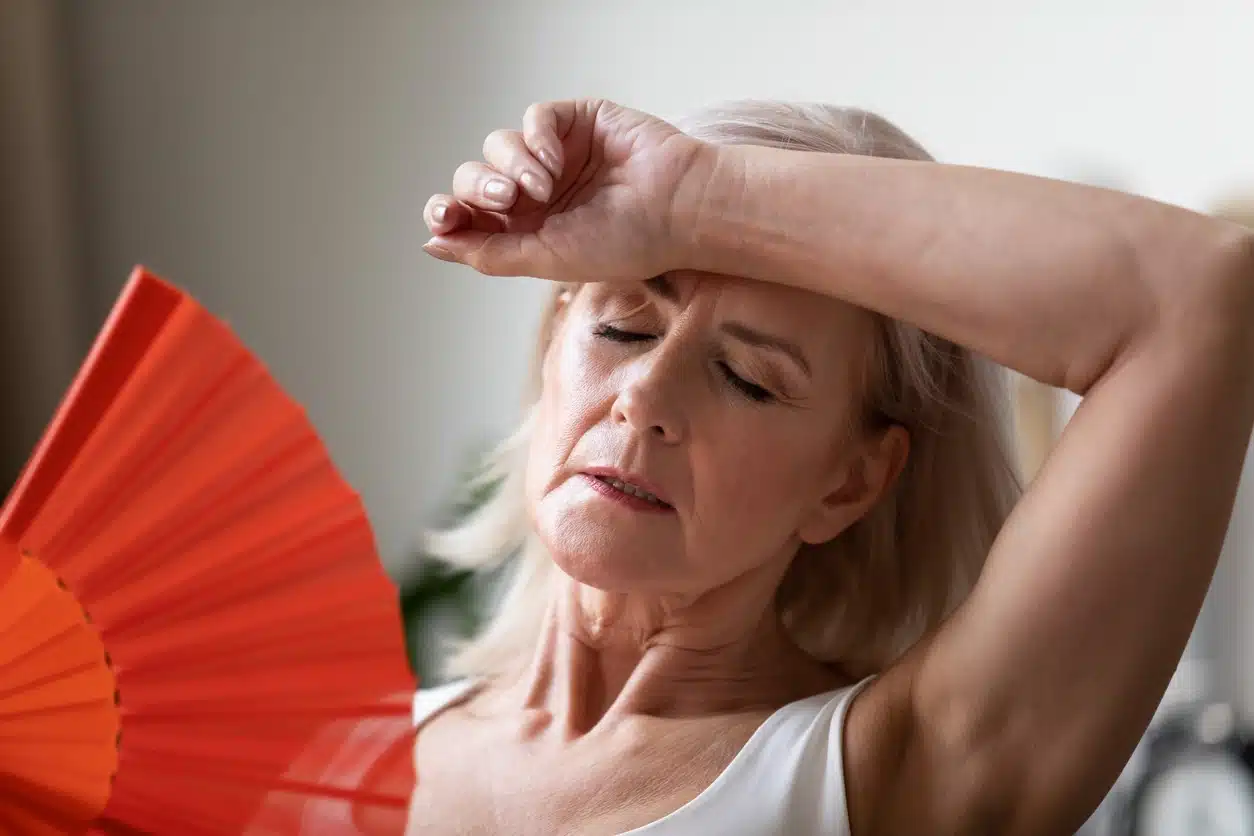
At 42, I’m starting to notice changes in my body that I probably wouldn't have connected to perimenopause a few years ago. I've experienced heart palpitations. Strange electric-shock sensations under my skin. Moments when a word or thought that should be right there suddenly disappears. And then there are the more obvious changes. My periods have become noticeably less heavy. Because I've previously struggled with what I experienced as estrogen-dominant symptoms, including heavy bleeding, PMS and period cramps, changes in my cycle are something I notice quickly. I previously did a Chinese medicine tea treatment that helped me get those symptoms under better control, but I also suspect that perimenopause itself is now changing the picture. That's one of the strange things about perimenopause. We hear about hot flashes,...

Share
Longevity Habits

Why Longevity Habits Don’t Stick, and How to Build Ones That Do After 40

We are living through a golden age of longevity information. There has never been more of it: studies, protocols, podcasts, endless advice on how to age well. And after years of writing about this, with a background in public health and my own trip through perimenopause, here is the honest truth I keep landing on: for most women over 40, the problem is not a lack of information. We know we should lift weights, prioritize protein, protect our sleep, keep our stress in check, and move more. I have written about what actually matters for longevity after 40 more than once. We have known this stuff for years. And yet. If knowing were enough, we would all be thriving. Instead, most of us start strong on a Monday,...

Share
Cold Plunges Women

Cold Plunges for Women: What Does the Research Actually Say?

Cold plunges have become one of the most talked-about practices in the world of health and longevity. From ice baths to cold showers, they’re often promoted as a powerful way to boost energy, improve recovery, and build resilience. I’ve been curious about cold exposure for a long time. It’s one of those habits that keeps showing up in conversations around biohacking and longevity. But over time, my own approach has shifted. While I still do cold plunges occasionally, I’ve found myself leaning more toward sauna use for longevity. And when I do cold exposure, it’s often less about pushing limits and more about the refreshing feeling afterwards. At the same time, I’ve always had a question in the back of my mind: Do women respond to cold exposure...

Share
Japanese Longevity Habits

Japanese Habits That Support Health and Longevity

I’ve always been fascinated by Japan and the way health is approached there. Not in a restrictive or extreme way, but as something that’s naturally woven into daily life. There’s a certain simplicity to it. A respect for routine, balance, and consistency that feels very different from the often all-or-nothing approach we see elsewhere. And when you look at the data, it’s hard to ignore. Japan is consistently among the countries with the highest life expectancy in the world. While genetics and healthcare systems play a role, daily habits are a big part of the picture. Many of these habits are surprisingly simple, yet powerful enough to support long-term health and longevity. Here are some of the Japanese lifestyle practices that stand out the most, and that many...

Share
Longevity Drink Mix

The Simplest Longevity Routine I’ve Found (15 Supplements in One Daily Drink)

If you’ve been interested in longevity for a while, you’ve probably realized something important. Finding good quality longevity supplements can be difficult, but taking them regularly can be even more difficult. This is something I’ve experienced myself over the years. As someone who is genuinely interested in health optimization and longevity, I’ve built quite an extensive supplement routine. At one point, I was taking close to ten different supplements per day, often at different times, depending on how they were meant to be absorbed. And while I still believe in many of those ingredients, I also noticed that the routine itself started to become complicated. Not necessarily difficult, but demanding enough that it required attention throughout the day. Remembering what to take, when to take it,...

Share
Hormones after 40

What’s Happening to Your Hormones After 40 (And What You Can Do About It)

At some point in your 40s, many women begin to notice subtle shifts in how their body feels. Energy isn’t as stable. Sleep may become lighter. Fat distribution can change. Mood and patience may fluctuate in ways that feel unfamiliar. And often, the first instinct is to think something is wrong. But in many cases, nothing is “wrong.” Your hormones are simply changing. Understanding these changes, and learning how to support your body through them, can make a significant difference in how you feel, function, and age during perimenopause, and menopause. The Hormonal Shift That Begins in Midlife As women move through their late 30s and into their 40s, the body gradually transitions into perimenopause. This is not a sudden event, but a slow and often unpredictable...

Share