Hacks for Wellness

Welcome to Hacks4Wellness

Hacks4Wellness was born out of a deep passion for health, well-being, training, and biohacking. As a 41-year-old woman from Sweden, I’ve spent the last decade exploring the latest health hacks and trends to optimize my own wellness. With a background in Public Health, I’m excited to share my experiences and discoveries with like-minded health enthusiasts. This platform is my way of contributing to better health and well-being for a wider audience.

Contact

This website would be nothing without it's readers, followers and fans. That's why I encourage you guys to contact me if you have any ideas, comments or thoughts about Hacks4wellness or the content on the site.

Email: info@hacks4wellness.com

Instagram: @longevity_aspirant

TikTok: @hacks4wellness

Top
Japanese Longevity Habits

Japanese Habits That Support Health and Longevity

I’ve always been fascinated by Japan and the way health is approached there. Not in a restrictive or extreme way, but as something that’s naturally woven into daily life. There’s a certain simplicity to it. A respect for routine, balance, and consistency that feels very different from the often all-or-nothing approach we see elsewhere. And when you look at the data, it’s hard to ignore. Japan is consistently among the countries with the highest life expectancy in the world. While genetics and healthcare systems play a role, daily habits are a big part of the picture. Many of these habits are surprisingly simple, yet powerful enough to support long-term health and longevity. Here are some of the Japanese lifestyle practices that stand out the most, and that many...

Share
Brain Aging

Strong Legs, Strong Mind: What a Twin Study Reveals About Brain Aging

When we think about protecting our brain as we age, most people think about puzzles, supplements, or memory training. But what if one of the strongest predictors of brain health isn’t in your head at all? A fascinating long-term twin study found that individuals with greater leg strength experienced better cognitive aging over time. Even when genetics were controlled for, the twin with stronger legs tended to show better cognitive function years later.cInterestingly, this wasn’t just reflected in performance. The study also found differences in brain structure, with greater leg strength associated with higher grey matter volume over time. This shifts the conversation in an important way. Brain health is not just about the brain. It’s about the body that supports it. (The study followed over...

Share
Cholesterol

Cholesterol and Heart Health: What Actually Matters for Longevity

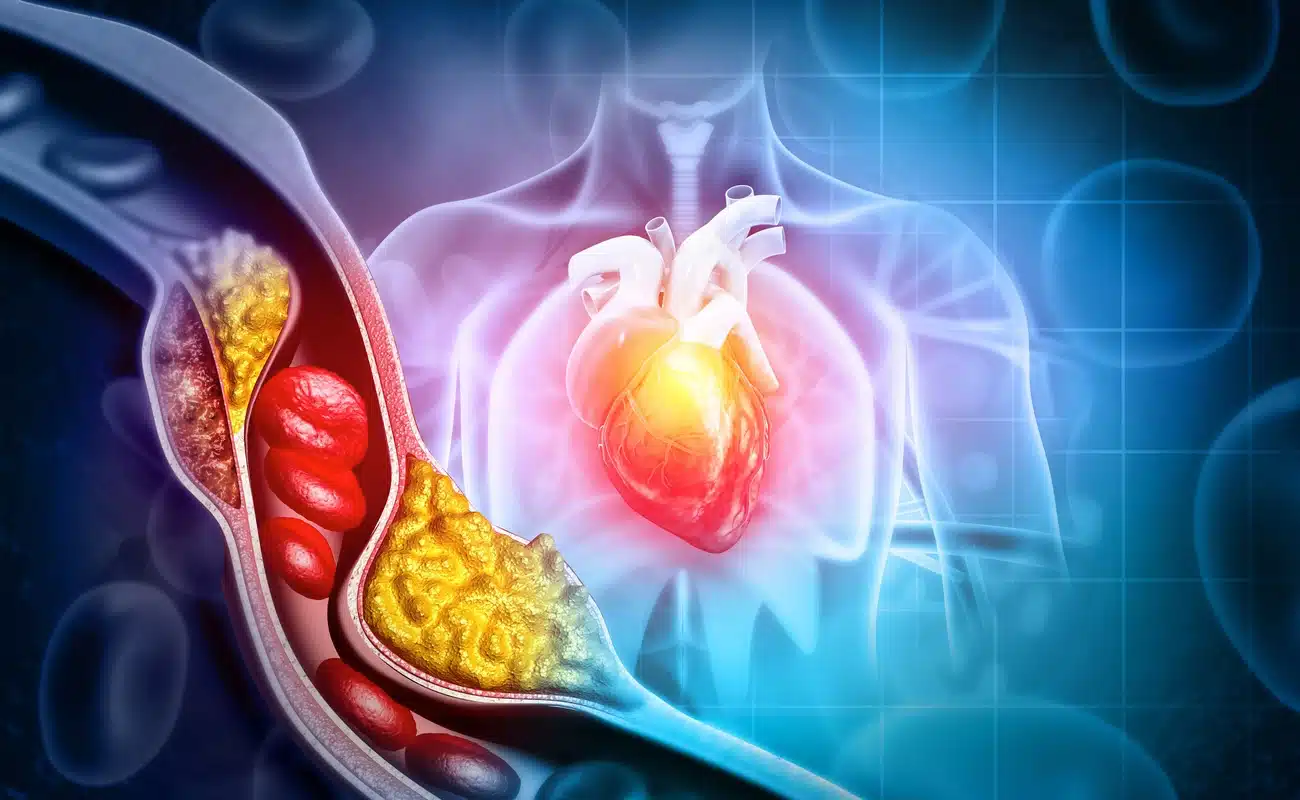
Cholesterol has been one of the most debated topics in nutrition and health for decades. For a long time, it was presented as something to fear, and something to lower at all costs. But as research has evolved, so has our understanding. Today, the picture is far more nuanced. Cholesterol is not just something in your blood to monitor. It’s a vital substance your body depends on for hormone production, cell membrane integrity, brain function, and overall health. The real question is not whether cholesterol is “good” or “bad.” The question is: What actually drives cardiovascular risk, and what should we pay attention to? Cholesterol Is Essential, Not the Enemy Cholesterol is involved in nearly every cell in your body. It plays a role in: Hormone production (including estrogen and testosterone) •...

Share
Visceral Fat

Visceral Fat: The Silent Threat to Your Long-Term Health

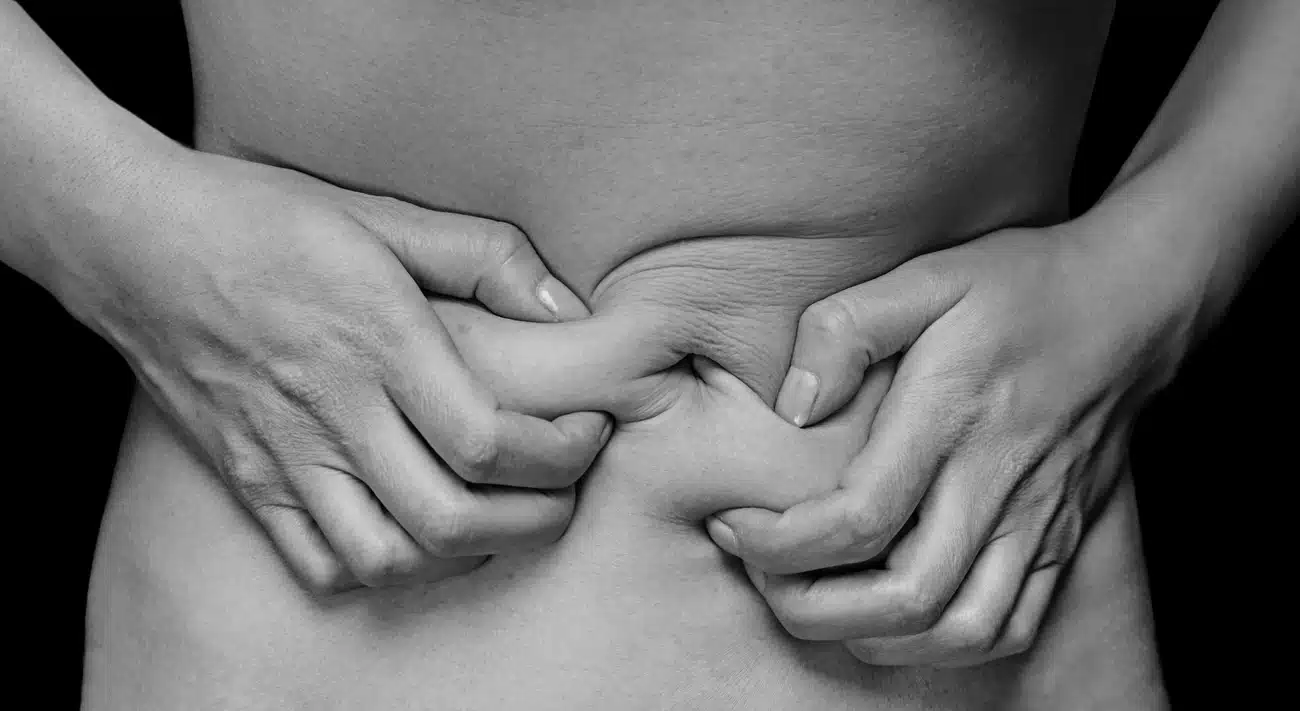
When most people think about body fat, they think about the kind they can pinch. But the most dangerous fat in the body is the kind you cannot see. Visceral fat sits deep inside the abdominal cavity, surrounding vital organs such as the liver, pancreas, and intestines. Unlike subcutaneous fat, which lies just under the skin, visceral fat is metabolically active and strongly associated with inflammation, insulin resistance, cardiovascular disease, and shortened lifespan. It’s often referred to as a “silent” health risk because it can accumulate even in individuals who don’t appear visibly overweight. Understanding visceral fat is one of the most important steps in protecting long-term metabolic and cardiovascular health. What Is Visceral Fat? Visceral fat is deep abdominal fat stored around internal organs. It behaves very differently...

Share
Health areas longevity

If You Care About Longevity, These Health Areas Matter the Most

Longevity is often presented as a collection of hacks, supplements, and routines. Red light therapy. Cold exposure. NMN. Fasting. Tracking everything. But when you zoom out, healthy aging isn’t complicated, it’s layered. If you truly care about living longer and feeling well while doing so, there are a few core health areas that matter far more than the rest. These are the foundations that determine how resilient your body is, how fast you recover, and how well you adapt to stress, illness, and time itself. Everything else sits on top of these. Cardiovascular Health: The Silent Driver of Longevity Cardiovascular health is still the number one determinant of lifespan. Heart disease remains the leading cause of death worldwide, yet many people underestimate how early vascular health begins to decline....

Share
Reduced biological age

How I Reduced My Biological Age by 12 Years

When I took my yearly biological age test from GlycanAge, I expected to see small improvements. I’ve been consistent with my health habits for years, but I also live a real life with work, stress, relationships, travel etc What I didn’t expect was this: At 41 years old, my biological age came back as 29. That result didn’t happen overnight. And it didn’t come from one supplement, one diet, or one biohack. It’s the outcome of years of small, repeatable habits that work with my biology instead of against it. In this article, I want to explain: • how the GlycanAge test works • what my results actually mean • how I live day-to-day to support healthy aging • what my results revealed about my genetics • and what I’m adjusting going...

Share
Japanese Walking Method

Japanese Walking Method: Why 30 Minutes Could Be More Powerful Than 10,000 Steps

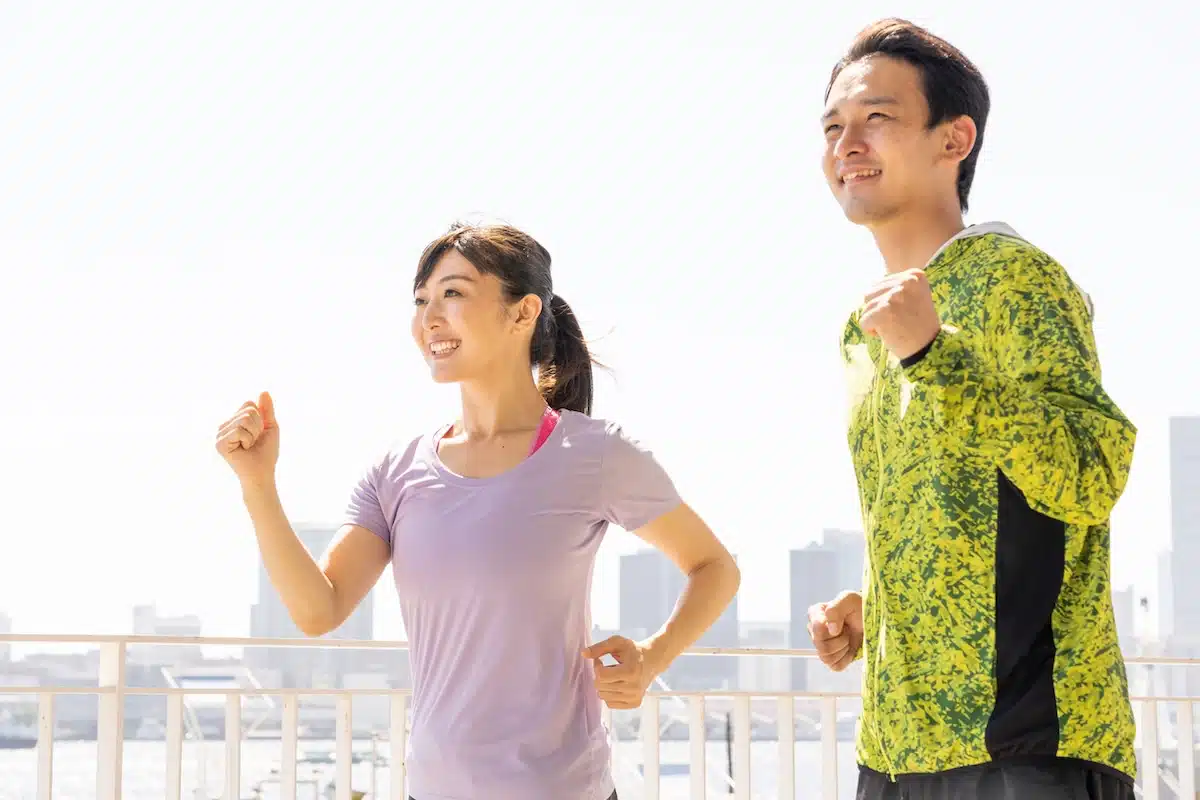
A viral health trend from Japan is now catching attention across the world — and it’s surprisingly simple. Known as the Japanese Walking Method, or Interval Walking Training (IWT), this approach alternates between three minutes of fast walking and three minutes of slow walking, repeated for about 30 minutes. Originally developed by Dr. Hiroshi Nose at Shinshu University, this method was designed to help older adults maintain cardiovascular and metabolic health without the stress of intense workouts. The results have been so impressive that fitness enthusiasts, biohackers, and longevity experts are adopting it globally. Why It Works: The Science Behind Interval Walking Traditional steady-state walking is healthy, but interval walking goes further. Research from Japan shows that switching between brisk and relaxed walking stimulates cardiovascular adaptations that simply...

Share
oxidative stress

Understanding Oxidative Stress (and How to Counteract It)

We all age, but how we age depends largely on what happens at the cellular level. One key factor influencing this process is something called oxidative stress. This is a natural but potentially harmful process that occurs in every cell of your body. Think of oxidative stress as your body slowly “rusting” from the inside out. It’s a balance game between free radicals and antioxidants, and when that balance tips too far, damage begins to accumulate. This is affecting everything from your skin and energy levels to your risk of chronic disease. What Is Oxidative Stress? Oxidative stress happens when your body produces more free radicals (unstable molecules created during metabolism, exercise, or exposure to toxins) than your system can neutralize with antioxidants. A certain level of oxidative stress...

Share
NEAT

Why NEAT Movement Matters More Than You Think

Beyond the Gym: Why Daily Movement Is Key We often think of health in terms of workouts: an hour at the gym, a run in the park, or a yoga class. But what if the real secret to longevity lies in what you do outside of those structured sessions? This is where NEAT comes in — Non-Exercise Activity Thermogenesis. In simple terms, NEAT is all the energy you burn during daily activities that aren’t formal exercise: walking, cooking, gardening, even fidgeting. And according to research, it may be just as — if not more — important than your workout. Why Sitting Is the New Smoking A sedentary lifestyle is one of the greatest threats to long-term health. Studies show that prolonged sitting is linked to higher risks of heart...

Share
Exercises women 40

9 Essential Exercises Every Woman Over 40 Should Be Doing

Why Your Fitness Needs Change After 40 What worked in your 20s and 30s doesn’t always work anymore. Back then, endless cardio might have kept you lean and energized. But after 35, your body begins to change, and without a shift in your approach, it gets harder to feel strong and balanced. From perimenopause and through menopause, hormonal fluctuations accelerate muscle loss (sarcopenia) and slow down metabolism. Relying on cardio alone can backfire: it often spikes cortisol, increases hunger, and delays recovery. To stay strong, protect your bones and joints, and keep your metabolism healthy after 40, it’s crucial to focus on strength training combined with daily walking. Building muscle becomes your greatest ally — not just for how you look, but for how you age. The Benefits of...

Share