

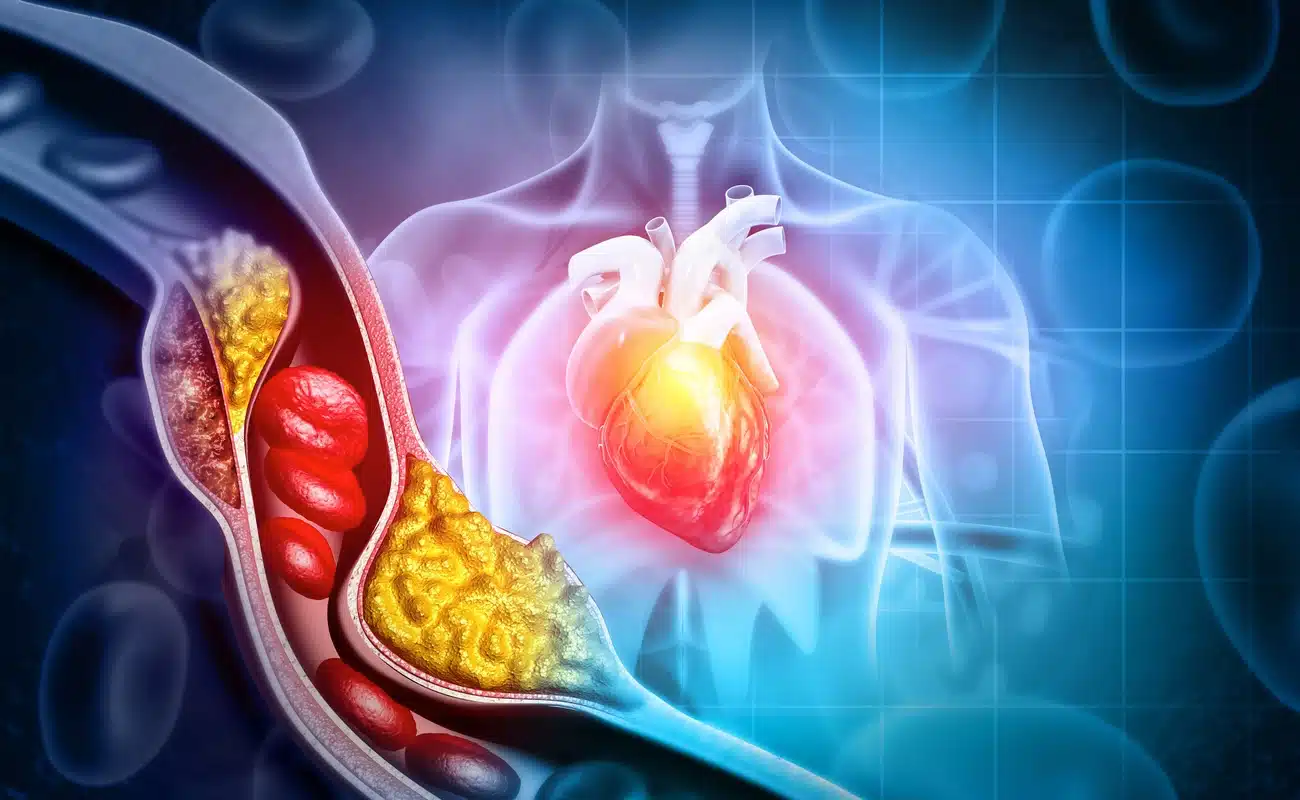
Cholesterol and Heart Health: What Actually Matters for Longevity
Cholesterol has been one of the most debated topics in nutrition and health for decades. For a long time, it was presented as something to fear, and something to lower at all costs. But as research has evolved, so has our understanding.
Today, the picture is far more nuanced. Cholesterol is not just something in your blood to monitor. It’s a vital substance your body depends on for hormone production, cell membrane integrity, brain function, and overall health.
The real question is not whether cholesterol is “good” or “bad.” The question is: What actually drives cardiovascular risk, and what should we pay attention to?
Cholesterol Is Essential, Not the Enemy
Cholesterol is involved in nearly every cell in your body.
It plays a role in:
Hormone production (including estrogen and testosterone)
• Vitamin D synthesis
• Brain function
• Cell structure
Your body produces the majority of its cholesterol internally, regardless of how much you eat. This is why dietary cholesterol (from foods like eggs or shellfish), has a relatively small impact on blood cholesterol levels for most people. For many individuals, focusing solely on dietary cholesterol misses the bigger picture.
Looking Beyond LDL: What Actually Matters
LDL cholesterol is often labeled as “bad cholesterol,” but this simplification can be misleading. LDL is not inherently harmful. It is a carrier molecule that transports cholesterol where it is needed in the body. What matters more is:
• The number of LDL particles
• Whether those particles become oxidized
• The metabolic environment they exist in
This is why markers such as Apolipoprotein B (ApoB) are increasingly considered more informative than LDL alone. ApoB reflects the number of atherogenic particles, which is more closely linked to cardiovascular risk. In other words, context matters.

Support Vascular Health
While markers like ApoB give insight into cardiovascular risk, heart health is also influenced by how well your blood vessels function over time. One area I personally focus on is supporting nitric oxide production, which plays a key role in circulation, vascular flexibility, and endothelial health. I use Nitralis from DoNotAge.org as part of my routine to support this pathway.
The Role of Metabolic Health
This is where things become much clearer. Cardiovascular risk is strongly influenced by metabolic health, not just cholesterol levels in isolation. When metabolic health is compromised, we often see:
• Elevated triglycerides
• Low HDL cholesterol
• Increased inflammation
• Insulin resistance
These factors create an environment where cholesterol particles are more likely to contribute to plaque formation. On the other hand, individuals with strong metabolic health often show:
• Low triglycerides
• Stable blood sugar
• Good insulin sensitivity
• Low inflammatory markers
This is one of the reasons why some people on well-formulated low-carbohydrate or ketogenic diets may show elevated LDL levels while still maintaining other favorable metabolic markers.
Triglycerides and Blood Sugar: The Missing Link
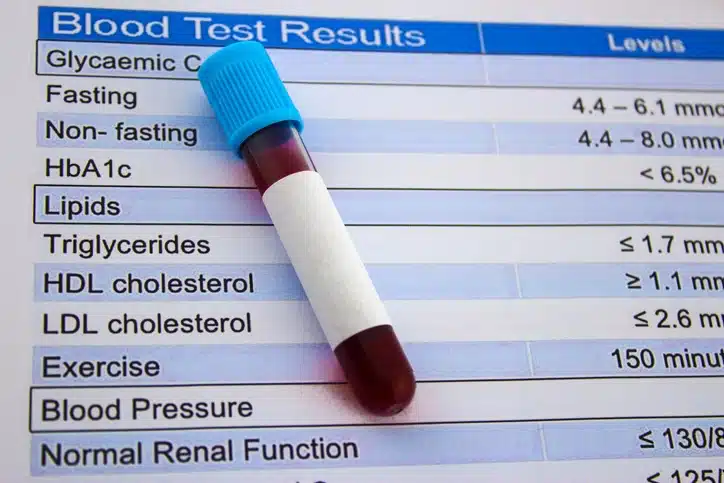
Triglycerides are closely tied to how the body processes carbohydrates and insulin. When carbohydrate intake is high, especially refined carbohydrates and sugar, excess glucose can be converted into triglycerides and stored. This is why elevated triglycerides are often a marker of:
• Insulin resistance
• Poor blood sugar control
• Excess energy intake
Conversely, lower triglyceride levels are commonly seen in individuals with:
• Stable blood sugar
• Lower refined carbohydrate intake
• Good metabolic flexibility
Genetics vs Lifestyle: My Personal Perspective
One of the most interesting insights from my own health testing came from my biological age results. While my biological age measured significantly younger than my chronological age, the test (from GlycanAge) also revealed a genetic predisposition related to cardiovascular health.
That was a powerful reminder: Genetics may load the gun, but lifestyle pulls the trigger.
It doesn’t mean risk is inevitable, but it does mean awareness matters. For me, this has reinforced the importance of:
• Maintaining metabolic health
• Managing stress
• Supporting circulation and cardiovascular function
Rather than creating fear, it has created focus.
What Actually Drives Heart Health
When we step back, the biggest drivers of cardiovascular health are not single nutrients or isolated markers. They are systems. Heart health is shaped by a combination of metabolic health, inflammation levels, blood pressure, vascular function, and the lifestyle habits we repeat over time. These factors constantly interact, influencing how resilient and efficient the cardiovascular system is.
This is why focusing only on cholesterol numbers, without context, can be misleading. A more complete picture includes how well your body regulates blood sugar, your triglyceride and HDL levels, your inflammatory status, and the overall patterns of your daily habits.
If you want to better understand which markers to track and how they relate to long-term health, you can read more in my guide on the longevity blood tests I track and what they reveal about aging.
How to Support Healthy Cholesterol and Heart Function
Instead of chasing single numbers, it’s more effective to support the underlying systems that influence cardiovascular health. This means prioritizing protein-rich, whole foods while reducing ultra-processed products and refined sugars. Regular strength training and daily movement help improve metabolic health and support vascular function, while maintaining a healthy body composition further reduces long-term risk.
Sleep and circadian rhythm also play a critical role, as consistent, high-quality rest supports hormonal balance and recovery. At the same time, managing stress levels is essential, since chronic stress can negatively impact both metabolic and cardiovascular health over time.
For some individuals, targeted supplementation may also play a supportive role in improving vascular function and nitric oxide production.

Support Healthy Circulation
Beyond diet and exercise, one aspect of long-term heart health that’s often overlooked is circulation. In other words, how efficiently blood flows through the body over time.
Nattokinase is an enzyme traditionally used in Japan and associated with supporting healthy blood flow and vascular function. It’s something I include as part of my broader approach to cardiovascular health.
👉 You can learn more about Toku here and use my code KAJSA for 20% off.
A Note on Personalization
One of the biggest lessons in this area is that cholesterol and heart health are highly individual. Two people can have similar cholesterol levels but very different risk profiles depending on factors such as metabolic health, inflammation levels, genetics, and overall lifestyle patterns. These elements interact in complex ways, shaping how the body responds over time. This is why testing, tracking, and understanding your own data is so valuable.
FAQ Cholesterol and Heart Health
Should you worry about high LDL on a ketogenic or low-carb diet?
Some individuals following low-carbohydrate or ketogenic diets experience elevated LDL cholesterol despite having favorable metabolic markers such as low triglycerides, high HDL, and stable blood sugar.
This highlights the importance of context. LDL alone does not tell the full story. Looking at ApoB, triglycerides, inflammation, and overall metabolic health provides a more complete picture of cardiovascular risk. Research in this area is still evolving, so it’s important to monitor your own markers over time rather than relying on a single number.
Is dietary cholesterol something you need to avoid?
For most people, dietary cholesterol has a relatively small impact on blood cholesterol levels. Foods such as eggs and shellfish can be part of a healthy diet and also provide important nutrients. The body regulates cholesterol production internally, which means that overall metabolic health and lifestyle factors tend to play a much larger role than dietary cholesterol alone.
What are the most important markers to track for heart health?
Rather than focusing on a single number, it’s helpful to look at a broader set of markers. These include ApoB, triglycerides, HDL cholesterol, blood sugar levels, and inflammatory markers.
Together, these provide a more complete understanding of cardiovascular and metabolic health.
Are triglycerides linked to blood sugar?
Yes, triglycerides are closely connected to how the body processes carbohydrates and insulin. Elevated triglycerides are often associated with insulin resistance and poor blood sugar control. Lower triglyceride levels are commonly seen in individuals with stable blood sugar, good metabolic health, and lower intake of refined carbohydrates.
Can you improve your cholesterol levels through lifestyle?
In many cases, yes. Lifestyle factors such as nutrition, physical activity, sleep, stress management, and body composition all play a significant role in cardiovascular health. Rather than focusing only on cholesterol numbers, improving overall metabolic health often leads to more favorable outcomes across multiple markers.
Does having a genetic risk mean you will develop heart disease?
Not necessarily. Genetics can influence risk, but they do not determine outcomes on their own. Lifestyle factors such as diet, movement, sleep, and stress management play a major role in how those genes are expressed over time. This is why understanding your risk can be empowering rather than limiting.
Final Thoughts on Cholesterol and Longevity
Cholesterol is not the villain it was once made out to be. But it’s also not something to ignore. The key is understanding the bigger picture. When cholesterol is viewed in the context of metabolic health, inflammation, and lifestyle, it becomes far more meaningful, and far less confusing. For me, this has shifted the focus away from fear and toward understanding. And that is where long-term health is built.


Pingback: Strong Legs, Strong Mind: What a Twin Study Reveals About Brain Aging - Hacks for Wellness and Health
April 1, 2026 at 10:10 am