


Vitamin D: The Sunshine Hormone Your Body Can’t Live Without
Why Vitamin D Matters More in Winter
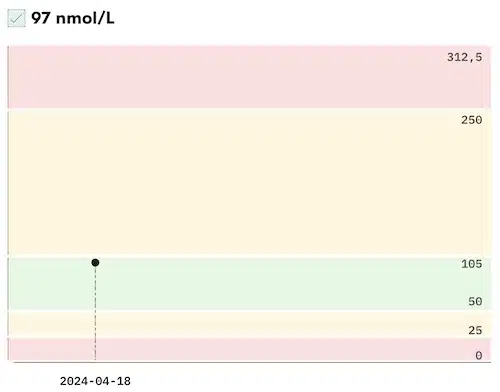
As the days grow shorter and darker, many of us get less exposure to the sun — the body’s primary source of Vitamin D. In Sweden, where I live, studies on the population have shown that around half of people have insufficient Vitamin D levels during the winter months.
That’s one of the reasons I always supplement with Vitamin D when the sunlight is scarce. I even tested my levels last year, and they were optimal (as you can see in the image to the left). This thanks to supplementation and spending as much time as I can outdoors.
Vitamin D Isn’t Just a Vitamin — It’s a Hormone
Despite the name, Vitamin D isn’t actually a vitamin. Instead, it’s a fat-soluble hormone that plays a vital role in the body. It’s synthesized from cholesterol when your skin is exposed to UVB rays from sunlight.
Once activated, Vitamin D regulates over 1,000 genes and impacts functions like:
Bone health (by aiding calcium absorption)
Immune system regulation
Hormone balance
Mood and brain health
Inflammation control
Without enough of it, your body simply can’t perform at its best.
Signs of Vitamin D Deficiency

Many people are deficient without even realizing it. Some common symptoms include:
– Fatigue and low energy
– Frequent illness or slow recovery
– Muscle weakness or aches
– Low mood or seasonal depression
– Bone pain or increased fracture risk
– Poor sleep quality
If you recognize several of these, it may be worth testing your Vitamin D levels.

Supplementations from DoNotAge.org
Offer: Use code KAJSA for 10% off your order
Vitamin D is more than just a vitamin — it’s a hormone essential for bone strength, immunity, mood, and longevity. But to work properly, it needs the support of Vitamin K2 (to direct calcium into the bones, not the arteries) and Magnesium (to activate and metabolize Vitamin D in the body).
That’s why DoNotAge.org created a Pure Vitamin D3 + K2 + Magnesium formula — the complete trio for optimal absorption and effectiveness.
With this combination, you support; strong bones and teeth, a resilient immune system, healthy heart and blood vessels, energy, mood, and brain function.
One simple step for powerful, long-term health benefits.
Can You Get Enough from Food?
Vitamin D is difficult to obtain through food alone, but some sources include:
– Fatty fish (salmon, mackerel, sardines)
– Cod liver oil
– Egg yolks
– Liver
– Fortified foods (like milk or plant-based alternatives)
Even with a healthy diet, it’s often not enough — especially during the winter months in Northern Europe.
Supplementing Smartly: Vitamin D, K2, and Magnesium
When supplementing with Vitamin D, it’s important to remember two things:
1. Pair with Vitamin K2
Vitamin K2 helps guide calcium into the bones (where it belongs) and keeps it out of arteries (where it can cause harm). Taking Vitamin D without K2 may increase the risk of calcium buildup in the wrong places.
2. Don’t Forget Magnesium
Magnesium is required for the body to properly metabolize Vitamin D. If you’re deficient in magnesium, your body won’t be able to activate and use Vitamin D efficiently.
That’s why I always recommend making sure your K2 and magnesium intake are sufficient when supplementing with Vitamin D.
Final Thoughts
Vitamin D is more than just a “sunshine vitamin”. It’s actually a hormone that’s critical for bone health, immunity, energy, and longevity. If you live in a northern climate like Sweden, supplementation during the winter months isn’t optional — it’s essential.
Personally, adding Vitamin D to my longevity stack has helped me maintain optimal levels year-round, even through the darkest months. Combined with spending time outside, it’s one of the simplest yet most effective steps you can take to protect and optimize your health.



Pingback: The Longevity Blood Tests You Should Track (And What They Reveal About Aging)
February 9, 2026 at 3:54 pmPingback: Cholesterol and Heart Health: What Actually Matters for Longevity - Hacks for Wellness and Health
March 24, 2026 at 4:14 pm