Hacks for Wellness

Welcome to Hacks4Wellness

Hacks4Wellness was born out of a deep passion for health, well-being, training, and biohacking. As a 41-year-old woman from Sweden, I’ve spent the last decade exploring the latest health hacks and trends to optimize my own wellness. With a background in Public Health, I’m excited to share my experiences and discoveries with like-minded health enthusiasts. This platform is my way of contributing to better health and well-being for a wider audience.

Contact

This website would be nothing without it's readers, followers and fans. That's why I encourage you guys to contact me if you have any ideas, comments or thoughts about Hacks4wellness or the content on the site.

Email: info@hacks4wellness.com

Instagram: @longevity_aspirant

TikTok: @hacks4wellness

Top
Reduced biological age

How I Reduced My Biological Age by 12 Years

When I took my yearly biological age test from GlycanAge, I expected to see small improvements. I’ve been consistent with my health habits for years, but I also live a real life with work, stress, relationships, travel etc What I didn’t expect was this: At 41 years old, my biological age came back as 29. That result didn’t happen overnight. And it didn’t come from one supplement, one diet, or one biohack. It’s the outcome of years of small, repeatable habits that work with my biology instead of against it. In this article, I want to explain: • how the GlycanAge test works • what my results actually mean • how I live day-to-day to support healthy aging • what my results revealed about my genetics • and what I’m adjusting going...

Share
blood sugar spikes

Powerful Tips on How to Avoid Blood Sugar Spikes

A blood sugar spike can sound like a small thing — just a rise in glucose after we eat. But the truth is, these little swings add up. They influence our mood, our hunger, our focus, and even our sleep. And when they become frequent, they quietly nudge our body toward inflammation, cravings, and metabolic imbalance. It’s one of those “hidden habits” that shapes how we feel more than we think. Over time, frequent spikes can lead to: - Insulin Resistance - Chronic inflammation - Fatigue and mood swings - Accelerated aging - Weight gain - Increased risk of type 2 diabetes - Hormonal imbalance - Cravings and constant hunger Stable blood sugar is one of the most important foundations for hormonal balance, metabolic health, and longevity. And the good news? Small daily habits...

Share
fiber

The Important Nutrient 90% of the Population Is Missing

Fiber is one of the most underrated nutrients in modern nutrition. Despite its massive impact on digestion, hormones, satiety, blood sugar, and long-term health, most people barely eat half of what they need. Data from the UK’s National Diet and Nutrition Survey (NDNS) shows that more than 90% of adults don’t reach recommended fiber intake — and the numbers in the United States are nearly identical. In a world full of ultra-processed foods, low-fiber meals, protein bars labeled “healthy,” and drinks marketed as “zero sugar,” it’s no surprise that fiber intake has plummeted. Yet this single nutrient affects almost every system in the body, from your gut microbiome to your hormones, mood, immune system, and even longevity. Why Fiber Became a Non-Negotiable for Me For many years, I was...

Share
ultra processed food study

Ultra-Processed Foods: The World’s Largest Study Says They’re a Threat to Global Health

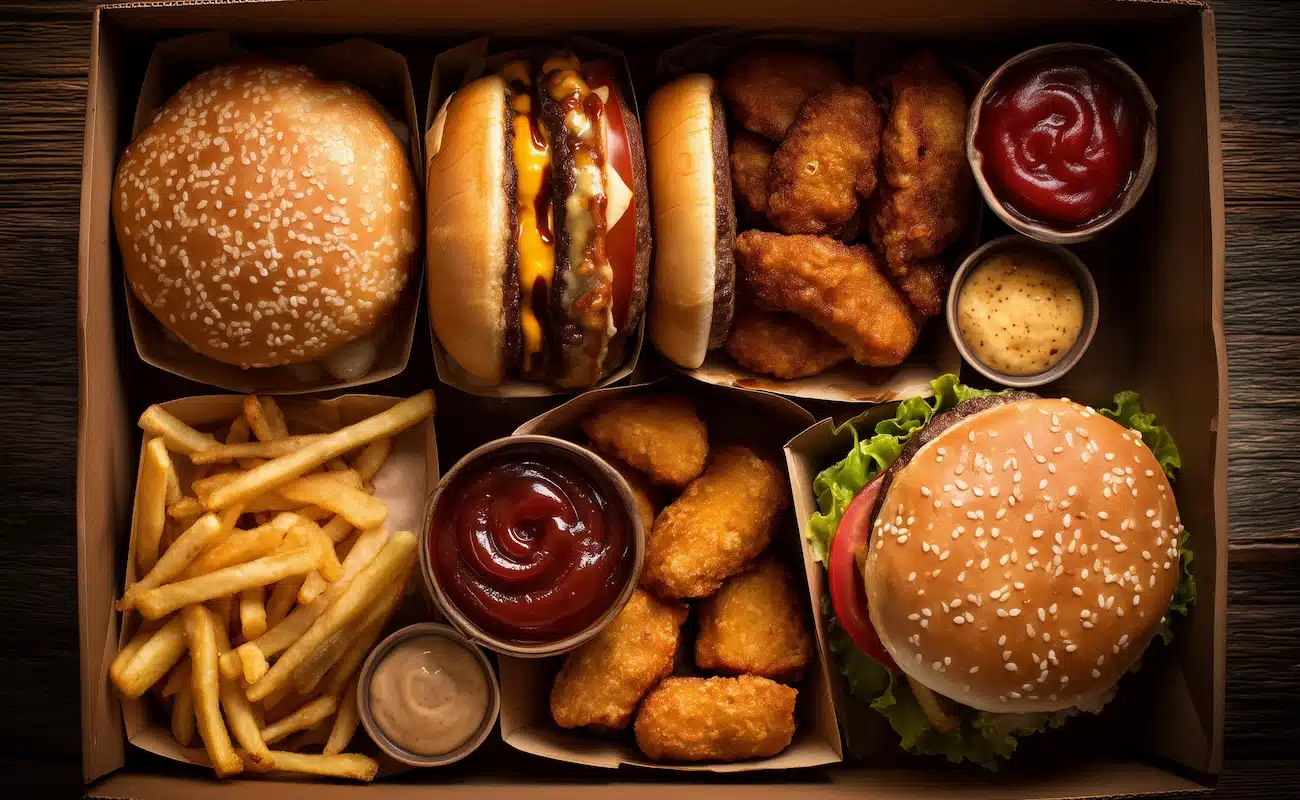
A new analysis published in The Lancet — the largest scientific study ever conducted on ultra-processed foods — has found that UPFs are linked to harm in nearly every major human organ system. Here’s what the research reveals, why this matters, and how reducing UPFs transformed my own health. A Landmark Moment in Nutrition Science For years, many of us in the health and longevity space have warned that ultra-processed foods (UPFs) come with consequences far beyond weight gain. Now we finally have the strongest scientific confirmation to date. A massive global review, published in The Lancet in November 2025, examined over 9,000 studies, making it the largest scientific analysis ever conducted on UPFs. The conclusion?Ultra-processed foods pose a measurable threat to global health and wellbeing. The study links...

Share
Longevity Foods

Foods to Slow Aging: Eat Your Way to Longevity

You can’t out-exercise a bad diet. What you eat every day has a greater impact on your longevity than almost any other factor. In this article we will show you 12 foods that are packed with nutrients that help combat inflammation, oxidative stress, and cellular decline — the true root causes of aging. You Can’t Outrun a Bad Diet We live in a time where convenience often outweighs nutrition. Our modern food environment is full of ultra-processed products, refined seed oils, artificial additives, and lab-made chemicals — things our body simply doesn’t recognize. Over time, these compounds disrupt hormones, damage mitochondria, and accelerate aging at the cellular level. You’ve probably heard the saying, “You can’t out-exercise a bad diet.” It’s true. Movement is vital, but what you eat...

Share
oxidative stress

Understanding Oxidative Stress (and How to Counteract It)

We all age, but how we age depends largely on what happens at the cellular level. One key factor influencing this process is something called oxidative stress. This is a natural but potentially harmful process that occurs in every cell of your body. Think of oxidative stress as your body slowly “rusting” from the inside out. It’s a balance game between free radicals and antioxidants, and when that balance tips too far, damage begins to accumulate. This is affecting everything from your skin and energy levels to your risk of chronic disease. What Is Oxidative Stress? Oxidative stress happens when your body produces more free radicals (unstable molecules created during metabolism, exercise, or exposure to toxins) than your system can neutralize with antioxidants. A certain level of oxidative stress...

Share
Sunshine hormone

Vitamin D: The Sunshine Hormone Your Body Can’t Live Without

Why Vitamin D Matters More in Winter As the days grow shorter and darker, many of us get less exposure to the sun — the body’s primary source of Vitamin D. In Sweden, where I live, studies on the population have shown that around half of people have insufficient Vitamin D levels during the winter months. That’s one of the reasons I always supplement with Vitamin D when the sunlight is scarce. I even tested my levels last year, and they were optimal (as you can see in the image to the left). This thanks to supplementation and spending as much time as I can outdoors. Vitamin D Isn’t Just a Vitamin — It’s a Hormone Despite the name, Vitamin D isn’t actually a vitamin. Instead, it’s a fat-soluble...

Share
Microplastics

The Hidden Health Risk Lurking in Your Kitchen: Microplastics from Cutting Boards

Most of us are careful about what we eat, but rarely think about what our food is being cut on. Recent research published in Environmental Science & Technology (2023) revealed a shocking fact: we may ingest up to 50 grams of microplastics every year from plastic cutting boards alone. That’s the equivalent of eating a full credit card’s worth of plastic every single week. Just the thought of that makes me feel really bad. What Are Microplastics Microplastics are tiny plastic particles less than 5 mm in size, and they’re now being detected everywhere in the human body. Scientists have found them in the bloodstream, in organs, testicular tissue, breast milk, placenta, and even the brain. Early research links microplastic exposure to: - Hormone disruption (endocrine interference) - Reduced fertility...

Share
Alcohol Free Drinks

Ditch the Hangover: Delicious Non-Alcoholic Drinks for a Healthier You

We all know that drinking too much alcohol isn’t exactly a recipe for longevity. Regular consumption has been linked to an increased risk of liver disease, certain cancers, high blood pressure, and even cognitive decline. And while many people enjoy a glass of wine or a cocktail to relax, it’s important to remember that alcohol is a toxin — and your body works hard to process and eliminate it. Also, it doesn’t matter how much you drink. Large-scale data from the Global Burden of Disease study in The Lancet found that the level of alcohol use that minimizes overall health risk is none. But here’s the good news: being sober doesn’t have to mean being boring. In fact, there’s a growing trend toward mindful drinking, where...

Share
Biohacks for Longer Life

5 Biohacks for a Longer Life

Do you ever wonder why some people seem to age slower, stay sharp longer, and radiate vitality well into their later years? The secret may lie in the way they treat their biology. Welcome to the world of biohacking — a modern approach to optimizing your health and extending your lifespan by using science, technology, and lifestyle shifts to “hack” your body’s natural systems. The term itself is a mix of biology and hacking, and it's about taking control of your own wellness journey. In this article, we’ll explore 5 powerful biohacks that are backed by science and easy to integrate into your life. From mastering your circadian rhythm to boosting cellular resilience with sauna and supplements — these are habits that can help you feel better...

Share