Hacks for Wellness

Welcome to Hacks4Wellness

Hacks4Wellness was created from a genuine passion for health, longevity, nutrition, exercise, and biohacking. As a woman in my forties, I’ve spent more than a decade exploring ways to improve my own health, from the fundamentals of nutrition, movement, and sleep to emerging research and new wellness technologies.

With a background in Public Health and certification as a Nutrition Coach, I combine what I’ve learned through education and research with my own real-world experiences and experiments.

Hacks4Wellness is where I share what I discover along the way, with one goal: to help make healthier living and longevity more practical, understandable, and achievable.

Contact

Hacks4Wellness wouldn’t be what it is without its readers and community. If you have a question, an idea for something you’d like me to explore, feedback on the site, or simply want to say hello, I’d love to hear from you.

Feel free to get in touch anytime.

Email: info@hacks4wellness.com

Instagram: @longevity_aspirant

TikTok: @longevity.aspirant

Top
Longevity Foods

Foods to Slow Aging: Eat Your Way to Longevity

You can’t out-exercise a bad diet. What you eat every day has a greater impact on your longevity than almost any other factor. In this article we will show you 12 foods that are packed with nutrients that help combat inflammation, oxidative stress, and cellular decline — the true root causes of aging. You Can’t Outrun a Bad Diet We live in a time where convenience often outweighs nutrition. Our modern food environment is full of ultra-processed products, refined seed oils, artificial additives, and lab-made chemicals — things our body simply doesn’t recognize. Over time, these compounds disrupt hormones, damage mitochondria, and accelerate aging at the cellular level. You’ve probably heard the saying, “You can’t out-exercise a bad diet.” It’s true. Movement is vital, but what you eat...


Share
oxidative stress

Understanding Oxidative Stress (and How to Counteract It)

We all age, but how we age depends largely on what happens at the cellular level. One key factor influencing this process is something called oxidative stress. This is a natural but potentially harmful process that occurs in every cell of your body. Think of oxidative stress as your body slowly “rusting” from the inside out. It’s a balance game between free radicals and antioxidants, and when that balance tips too far, damage begins to accumulate. This is affecting everything from your skin and energy levels to your risk of chronic disease. What Is Oxidative Stress? Oxidative stress happens when your body produces more free radicals (unstable molecules created during metabolism, exercise, or exposure to toxins) than your system can neutralize with antioxidants. A certain level of oxidative stress...

Share
Sunshine hormone

Vitamin D: The Sunshine Hormone Your Body Can’t Live Without

Why Vitamin D Matters More in Winter As the days grow shorter and darker, many of us get less exposure to the sun — the body’s primary source of Vitamin D. In Sweden, where I live, studies on the population have shown that around half of people have insufficient Vitamin D levels during the winter months. That’s one of the reasons I always supplement with Vitamin D when the sunlight is scarce. I even tested my levels last year, and they were optimal (as you can see in the image to the left). This thanks to supplementation and spending as much time as I can outdoors. Vitamin D Isn’t Just a Vitamin — It’s a Hormone Despite the name, Vitamin D isn’t actually a vitamin. Instead, it’s a fat-soluble...

Share
Microplastics

The Hidden Health Risk Lurking in Your Kitchen: Microplastics from Cutting Boards

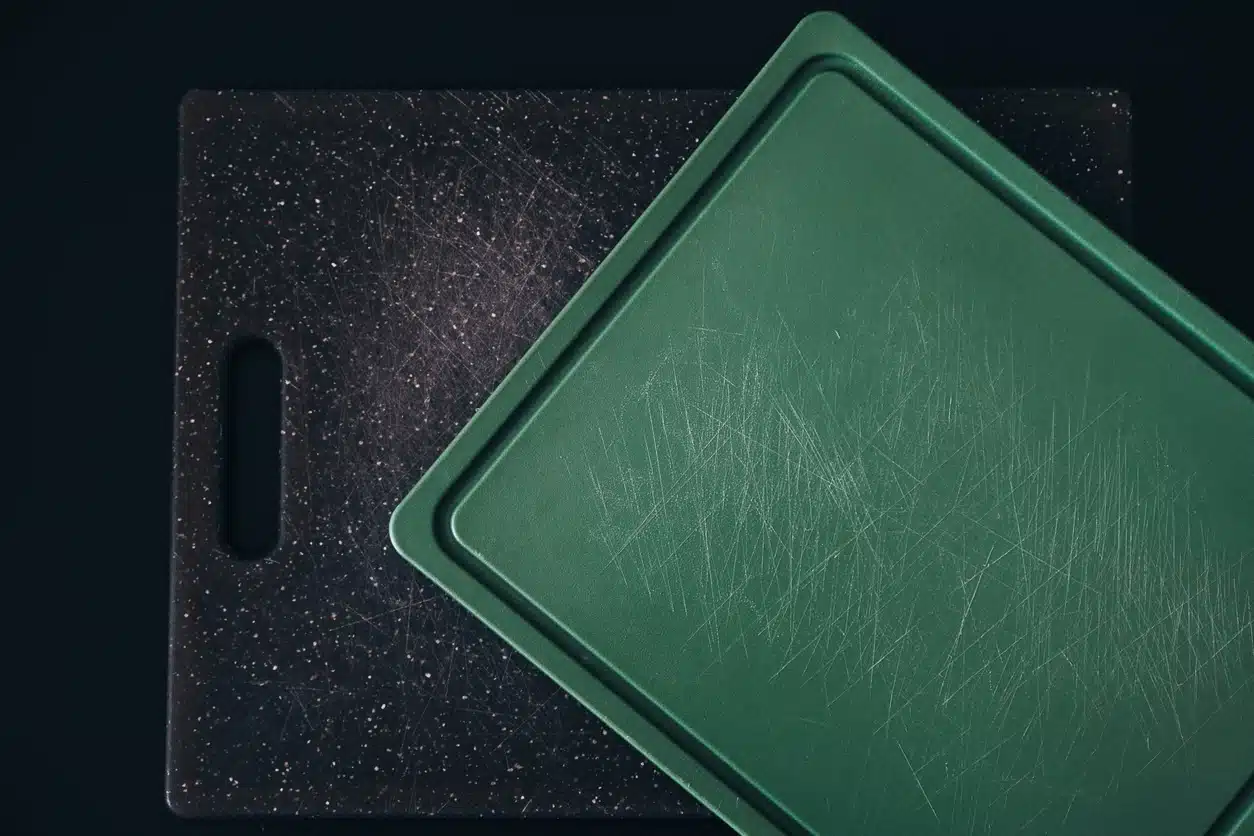
Most of us are careful about what we eat, but rarely think about what our food is being cut on. Recent research published in Environmental Science & Technology (2023) revealed a shocking fact: we may ingest up to 50 grams of microplastics every year from plastic cutting boards alone. That’s the equivalent of eating a full credit card’s worth of plastic every single week. Just the thought of that makes me feel really bad. What Are Microplastics Microplastics are tiny plastic particles less than 5 mm in size, and they’re now being detected everywhere in the human body. Scientists have found them in the bloodstream, in organs, testicular tissue, breast milk, placenta, and even the brain. Early research links microplastic exposure to: - Hormone disruption (endocrine interference) - Reduced fertility...

Share
Alcohol Free Drinks

Ditch the Hangover: Delicious Non-Alcoholic Drinks for a Healthier You

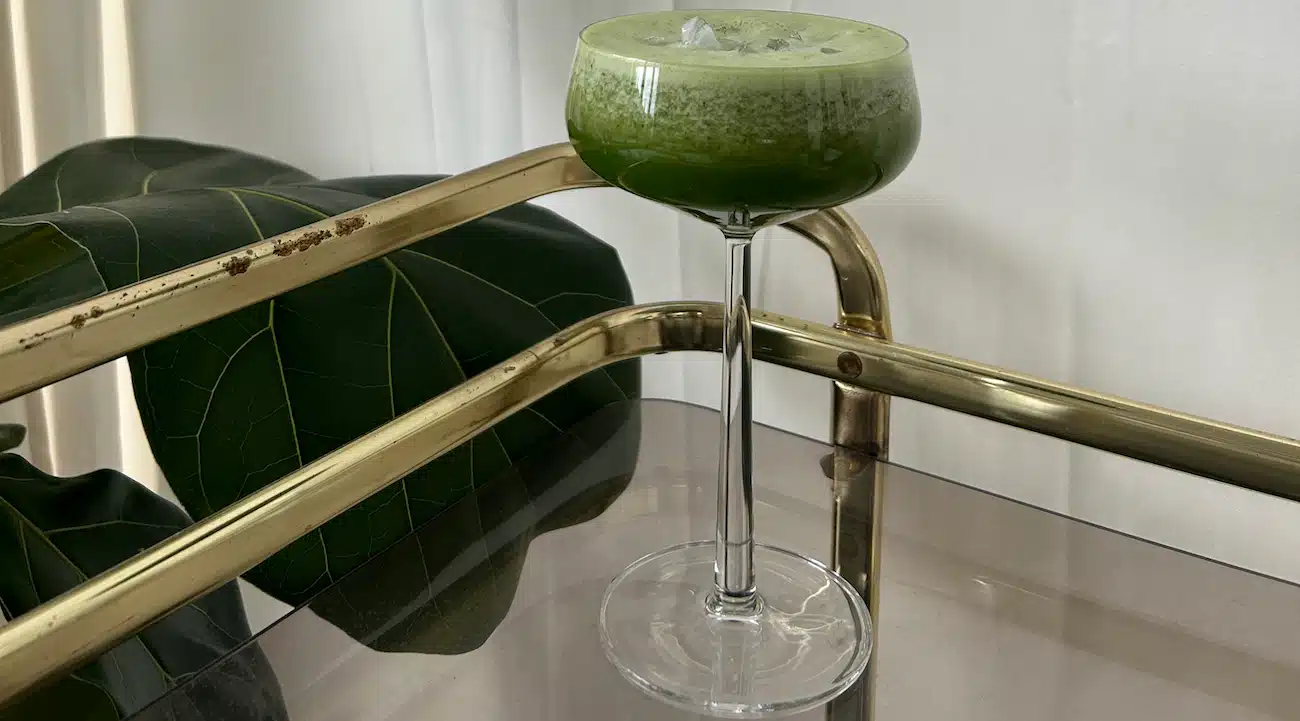
We all know that drinking too much alcohol isn’t exactly a recipe for longevity. Regular consumption has been linked to an increased risk of liver disease, certain cancers, high blood pressure, and even cognitive decline. And while many people enjoy a glass of wine or a cocktail to relax, it’s important to remember that alcohol is a toxin, and your body works hard to process and eliminate it. Also, it doesn’t matter how much you drink. Large-scale data from the Global Burden of Disease study in The Lancet found that the level of alcohol use that minimizes overall health risk is none. But here’s the good news: being sober doesn’t have to mean being boring. In fact, there’s a growing trend toward mindful drinking, where people...

Share
Biohacks for Longer Life

5 Biohacks for a Longer Life

Do you ever wonder why some people seem to age slower, stay sharp longer, and radiate vitality well into their later years? The secret may lie in the way they treat their biology. Welcome to the world of biohacking — a modern approach to optimizing your health and extending your lifespan by using science, technology, and lifestyle shifts to “hack” your body’s natural systems. The term itself is a mix of biology and hacking, and it's about taking control of your own wellness journey. In this article, we’ll explore 5 powerful biohacks that are backed by science and easy to integrate into your life. From mastering your circadian rhythm to boosting cellular resilience with sauna and supplements — these are habits that can help you feel better...

Share
Nattokinase

Unlock Longevity with Nattokinase: The Science-Backed Japanese Secret for Better Blood Flow

Japan is home to some of the longest-living people on the planet. The reason to this isn’t just genetics. Their diet, lifestyle, and deep-rooted focus on prevention play a major role in their impressive longevity. Among the many treasures of Japanese wellness culture, one humble food stands out and it's called natto. Natto is a fermented soybean dish known for its sticky texture and potent health benefits. But buried inside that gooey dish is something even more powerful — nattokinase, an enzyme that’s now gaining attention around the world for its impact on cardiovascular health, inflammation, and healthy aging. What is Nattokinase? Nattokinase is a fibrinolytic enzyme extracted from natto, a traditional Japanese food consumed for over 1,000 years. It was first discovered by Dr. Hiroyuki Sumi in...

Share
Colostrum benefits

Colostrum: Nature’s First Superfood

As a biohacker, I’m always on the lookout for superfoods that can elevate my health. Colostrum is one of those rare finds. This nutrient-dense, first milk produced by mammals in the hours after birth has been revered across cultures for its powerful health benefits. Recently, colostrum has reemerged in the biohacking world as a powerful supplement for gut health, immunity, muscle repair, and more, thanks to its wealth of antibodies, growth factors, and immune-boosting nutrients. I’ve personally been using colostrum (in powder form) for around three years now, and it’s one of the supplements I feel truly great on. It helps me feel stronger, more resilient, and more grounded. Especially when it comes to digestion and immune function. But here’s the strange part: despite its incredible...

Share
FODMAP diet

What is the FODMAP diet – and can it help your gut?

Updated May 2025 I first came across the FODMAP diet during my Nutrition Certification coursework. While I haven’t followed it myself, I’ve become increasingly curious about it—especially as I continue to explore how different foods affect digestion, inflammation, and overall wellness. It turns out that many people experience bloating, discomfort, or digestive distress after eating foods that are generally considered healthy. That’s where FODMAPs come in. If your gut has been giving you mixed signals—even after a "clean" meal—this may be something worth paying attention to. What Are FODMAPs? FODMAP stands for:Fermentable Oligosaccharides, Disaccharides, Monosaccharides And Polyols In simpler terms, FODMAPs are short-chain carbohydrates (sugars) that are poorly absorbed in the small intestine. When they reach the large intestine, they ferment—producing gas and drawing water into the bowel. This can...

Share
Metabolic Flexibility

Metabolic Flexibility: The Longevity Secret Most People Overlook

Why do some people thrive on keto while others crash without carbs? The answer may lie in something most people have never heard of: metabolic flexibility. For a long time, I thought the key to health was simply eating the “right foods.” But over the years, I’ve learned that it’s not just about what you eat—it’s about how your body processes it. That’s where metabolic flexibility comes in. What Is Metabolic Flexibility? In simple terms, metabolic flexibility is your body’s ability to efficiently switch between burning carbohydrates and fat for fuel, depending on what’s available. And of course, your metabolic type also plays a role here. If you haven’t read our deep dive on the three types and how they influence your diet, you can check out our...

Share