

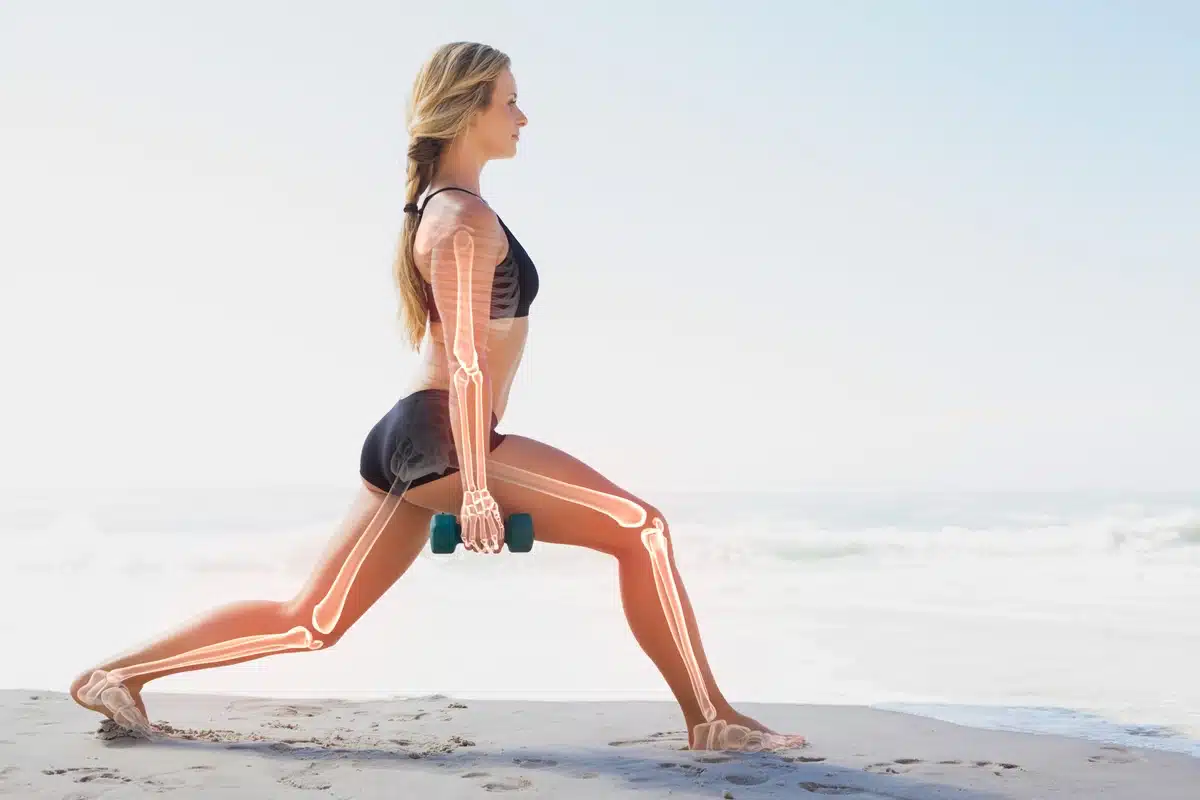
Bone Health After 40: How to Prevent Osteoporosis and Build Stronger Bones
When we think about staying healthy after 40, we tend to focus on things we can see or feel: maintaining muscle, keeping our weight under control, having enough energy and staying fit.
Our bones are easier to forget.
You can’t see bone loss happening. You usually can’t feel it either. And for many women, the first obvious sign that their bones have become weaker is a fracture. That’s one reason bone health has become such a priority for me in my 40s.
I’m 42, and this is one of the reasons I focus so hard on strength training in this phase of life. Yes, I want to be strong now. But I’m also thinking about the body I want at 60, 70 and 80. Because the years around perimenopause and menopause are particularly important for our bones.
Why Does Bone Health Become So Important After 40?
Bone isn’t a static structure. It’s living tissue that is continually being broken down and rebuilt through a process known as bone remodeling.
We build most of our bone mass earlier in life, with bone strength generally reaching its peak by around age 30. From there, we gradually begin losing more bone than we build.
For women, menopause adds another important factor: estrogen. Estrogen helps maintain bone density. As estrogen levels fall around menopause, bone breakdown accelerates. The Bone Health & Osteoporosis Foundation estimates that some women can lose up to 20% of their bone density during the five to seven years following menopause.
That’s a staggering amount of bone to potentially lose in a relatively short period. And it’s one reason I don’t think we should wait until our 60s to start worrying about osteoporosis.
Your 40s are an opportunity to protect what you have while giving your bones a reason to stay strong.
What Is Osteoporosis?
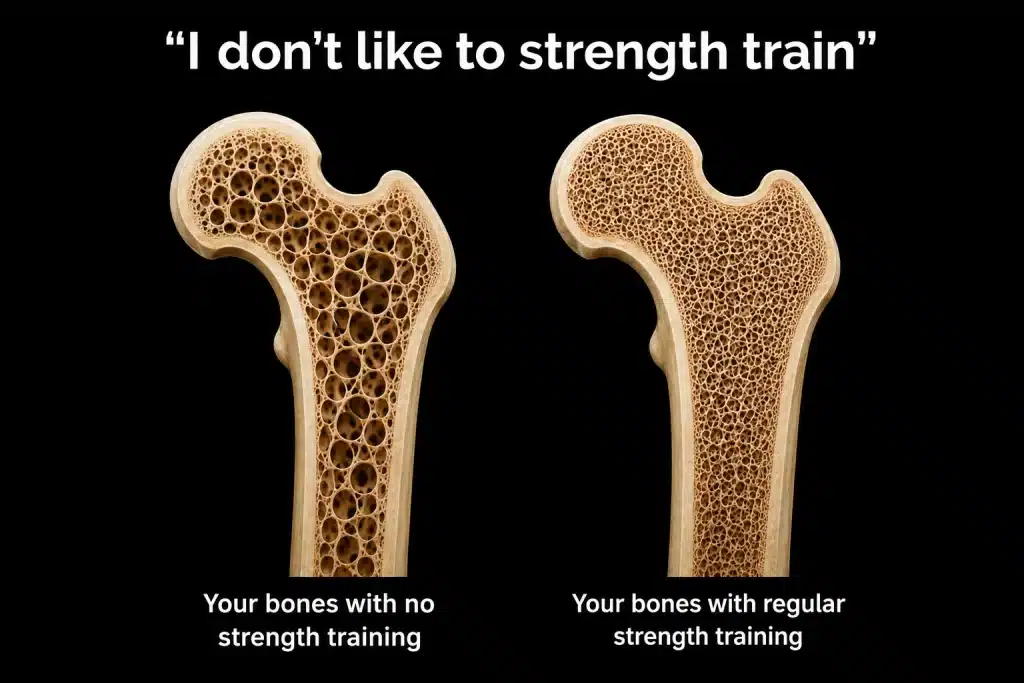
Osteoporosis literally means “porous bone.” As bone density and bone quality deteriorate, bones become weaker and more susceptible to fractures. The hip, spine and wrist are particularly common fracture sites.
Women are disproportionately affected. Around 80% of Americans with osteoporosis are women, and approximately one in two women over 50 will break a bone because of osteoporosis during their lifetime.
But osteoporosis isn’t simply an inevitable consequence of getting older. Genetics and age matter, of course, but physical activity, nutrition, smoking, alcohol consumption, hormonal status and other factors can all influence bone health. And this is where prevention becomes interesting.
Strength Training After 40: One of the Best Things You Can Do for Your Bones
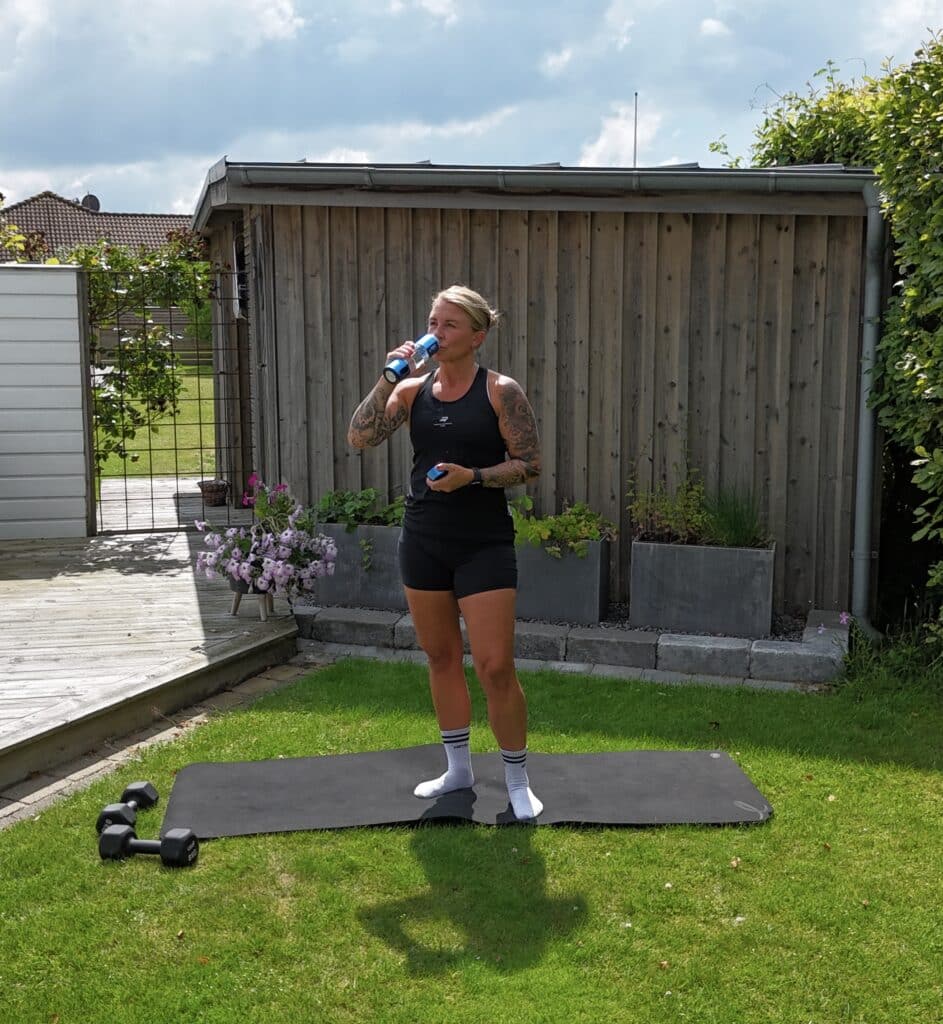
If you’ve followed me for any length of time, you already know how strongly I believe in strength training. Bone is responsive to mechanical loading. When we challenge our skeleton through resistance and weight-bearing exercise, we provide a stimulus that helps maintain bone strength.
This is why walking, while fantastic for general health, isn’t the entire bone-health strategy. Our bones need resistance.
Research and osteoporosis exercise guidelines support resistance training and appropriately prescribed impact exercise for maintaining and improving bone strength. Exercises such as squats, deadlifts, presses and other loaded movements are particularly interesting because they challenge large parts of the skeleton at the same time.
This is one of the biggest reasons I prioritize strength training so heavily at 42. I’m not training only for the muscle I can see today. I’m training for the bone, strength, balance and physical independence I want decades from now.
Don’t Forget Impact Exercise
Strength training gets a lot of attention, but our bones also respond to impact. Running, jumping, skipping, tennis and other weight-bearing activities expose bones to forces they don’t experience while sitting, swimming or cycling.
Research-based osteoporosis guidelines therefore increasingly emphasize a combination of resistance exercise and impact exercise, rather than simply telling women to “stay active.” That distinction matters. Walking is wonderful. Cycling is wonderful. Swimming is wonderful. But if protecting bone is the goal, we also want activities that actually load the skeleton.
Of course, someone who already has osteoporosis, previous fractures or significant fracture risk may need an individualized exercise program before introducing high-impact movements.
Protein Isn’t Just for Muscle
Protein tends to get discussed in the context of building muscle, but your bones need protein too. A substantial portion of bone is made from a collagen-rich protein matrix onto which minerals such as calcium are deposited.
Adequate protein also helps preserve muscle, and muscle and bone health are closely connected. Stronger muscles help us move, train and maintain balance, while reducing the risk of falls that can ultimately cause fractures.
Expert guidance for postmenopausal women emphasizes adequate protein alongside calcium, vitamin D and regular exercise for maintaining musculoskeletal health. This is another reason I’ve become increasingly focused on getting enough protein as I move through my 40s.
Start Your Day With More Protein
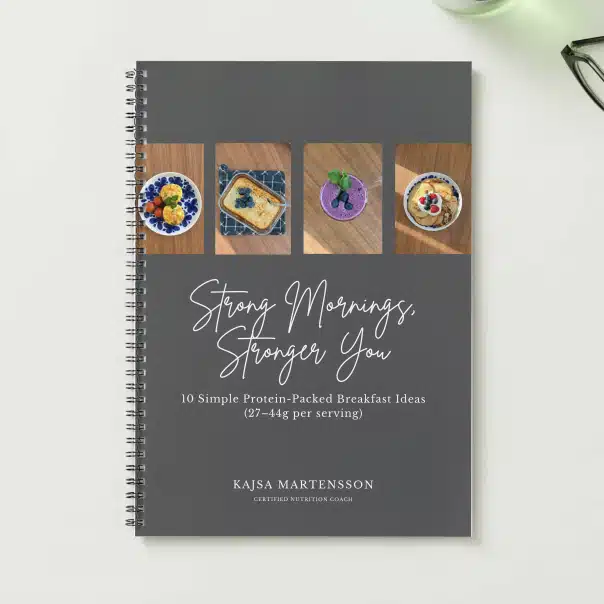
Getting enough protein becomes increasingly important for maintaining muscle and supporting healthy aging after 40. That’s one of the reasons I created Strong Mornings, Stronger You, with 10 simple high-protein breakfasts providing 27–44 g of protein.
Calcium and Vitamin D Still Matter
Calcium may not be the trendiest longevity nutrient, but it remains fundamental to bone health. Our bones act as a reservoir for calcium, and when the body doesn’t get enough from the diet, calcium can be drawn from bone to maintain the levels needed elsewhere in the body.
Rather than immediately thinking about supplements, I would first look at the diet. Dairy products, sardines with bones, certain leafy greens and other calcium-rich foods can all contribute.
Then there’s vitamin D, which helps the body absorb calcium and is also important for normal muscle function. This is especially relevant for those of us living in northern climates, where sunlight exposure may be insufficient for adequate vitamin D production during parts of the year.
Both calcium and vitamin D are consistently included alongside protein and physical activity in osteoporosis prevention recommendations.
Does HRT Help Protect Your Bones?
For women after 40, HRT deserves to be part of the bone-health conversation.
Yes. HRT can help prevent the bone loss associated with menopause.
When estrogen declines, bone resorption increases. Hormone replacement therapy can counteract some of that loss and is one of the options that may be considered for women around menopause, depending on individual circumstances.
For me, this is another reason HRT belongs in the broader longevity conversation around women’s health. It isn’t only about managing hot flashes or night sweats. Bone health is part of the equation too.
Whether HRT is appropriate is an individual decision based on symptoms, age, health history and personal risk factors and should be discussed with a healthcare professional.
Bone Health Is Also About Not Falling
There’s another side of osteoporosis prevention that doesn’t get nearly as much attention. A fracture requires more than fragile bones. Very often, it also requires a fall.
This means maintaining muscle strength, coordination and balance becomes increasingly important as we age.
And this is another reason strength training gives us so much return on our investment. We’re not only loading the bones. We’re building the muscles that help stabilize us, maintaining our ability to move confidently and protecting the physical function that helps keep us independent. Exercise recommendations for osteoporosis therefore emphasize strength and balance alongside bone-loading exercise.
Should You Get a Bone Density Scan?
A DEXA or DXA scan measures bone mineral density and is commonly used to diagnose osteoporosis and assess fracture risk. Not every healthy woman needs a scan at 40. Screening recommendations generally become more relevant later in life, but earlier testing may be appropriate when risk factors are present. These can include early menopause, previous low-trauma fractures, low body weight, family history of osteoporosis, certain medications and medical conditions that affect bone health.
I think the bigger message is simply this: know your risk rather than assuming your bones are fine because you feel fine. Bone loss is largely silent.
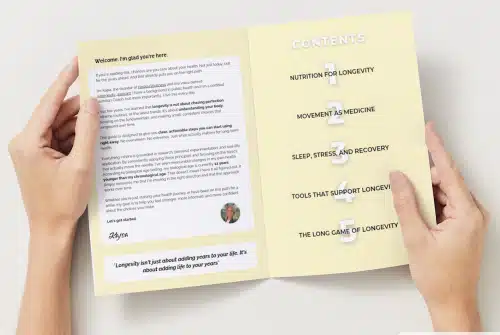
Want to Build a Healthier Future?
Healthy aging isn’t about one habit. It’s about building strong foundations now that support you for decades to come.
I’ve put my most important longevity strategies together in my FREE Longevity Guide.
What About Alcohol, Smoking and Bone Health?
Building stronger bones isn’t only about what we add.
Smoking is an established risk factor for osteoporosis, while excessive alcohol consumption can negatively affect bone health and also increase the risk of falls and fractures. Both are included among the modifiable lifestyle factors addressed in osteoporosis prevention guidelines. It’s another example of why longevity rarely comes down to one supplement or one biohack. The foundations still matter.
Building Strong Bones After 40 Is an Investment in Your Future
When I strength train today, I’m not only thinking about today’s workout. I’m thinking about being able to lift something heavy when I’m 60. Travel comfortably when I’m 70. Get myself off the floor when I’m 80. And underneath all of that is a skeleton that needs to be strong enough to support me.
We can’t control every factor that determines whether we’ll develop osteoporosis. Genetics, aging and hormonal changes are real. But we aren’t powerless either. For example, you can read this article about what I do to be 12 years younger biologically.
Strength training. Impact exercise. Enough protein. Calcium. Vitamin D. Maintaining muscle. Looking after our hormones. Avoiding smoking and excessive alcohol. Knowing our individual risk. Read more about what to stay away from here.
None of those things guarantees that we’ll never develop osteoporosis. But together, they give our bones a much better environment in which to age. And I’d much rather start building that environment at 42 than discover at 72 that I wish I’d thought about my bones sooner.
Frequently Asked Questions About Bone Health After 40
How can I strengthen my bones after 40?
Resistance training, weight-bearing and impact exercise, adequate protein, calcium and vitamin D, avoiding smoking and excessive alcohol, and maintaining a healthy lifestyle can all support bone health. The best approach depends partly on your current bone density and fracture risk.
Can you increase bone density after 40?
Bone becomes harder to build as we age, but it remains responsive to mechanical loading. Research suggests appropriately programmed resistance and impact training can improve or help preserve bone strength and may improve bone mineral density in some populations.
What exercise is best for preventing osteoporosis?
A combination of progressive resistance training and weight-bearing/impact exercise has some of the strongest evidence for bone health. Strength and balance training are also important because they can reduce fall risk.
Is walking enough to prevent osteoporosis?
Walking is excellent for health and provides some weight-bearing stimulus, but it generally shouldn’t be your only bone-focused exercise. Bones adapt to loading, so resistance training and, where appropriate, higher-impact activities provide additional stimuli that walking alone may not.
How much protein do women need for bone health?
Protein needs vary with age, body size and activity level. For postmenopausal women, one European expert consensus recommends around 1.0–1.2 g/kg of body weight per day, including approximately 20–25 g of high-quality protein at each main meal, alongside adequate calcium, vitamin D and physical activity.
Does menopause cause osteoporosis?
Menopause doesn’t mean that every woman will develop osteoporosis, but declining estrogen accelerates bone loss and increases osteoporosis risk. Bone loss can be particularly rapid during the years surrounding and following menopause.
Can HRT prevent osteoporosis?
HRT can prevent bone loss and reduce fracture risk while it is being used and may be an appropriate option for some women around menopause. The individual benefits and risks should be discussed with a healthcare professional.


