

What’s Happening to Your Hormones After 40 (And What You Can Do About It)
At some point in your 40s, many women begin to notice subtle shifts in how their body feels. Energy isn’t as stable. Sleep may become lighter. Fat distribution can change. Mood and patience may fluctuate in ways that feel unfamiliar. And often, the first instinct is to think something is wrong. But in many cases, nothing is “wrong.” Your hormones are simply changing. Understanding these changes, and learning how to support your body through them, can make a significant difference in how you feel, function, and age during perimenopause, and menopause.
The Hormonal Shift That Begins in Midlife
As women move through their late 30s and into their 40s, the body gradually transitions into perimenopause. This is not a sudden event, but a slow and often unpredictable process.
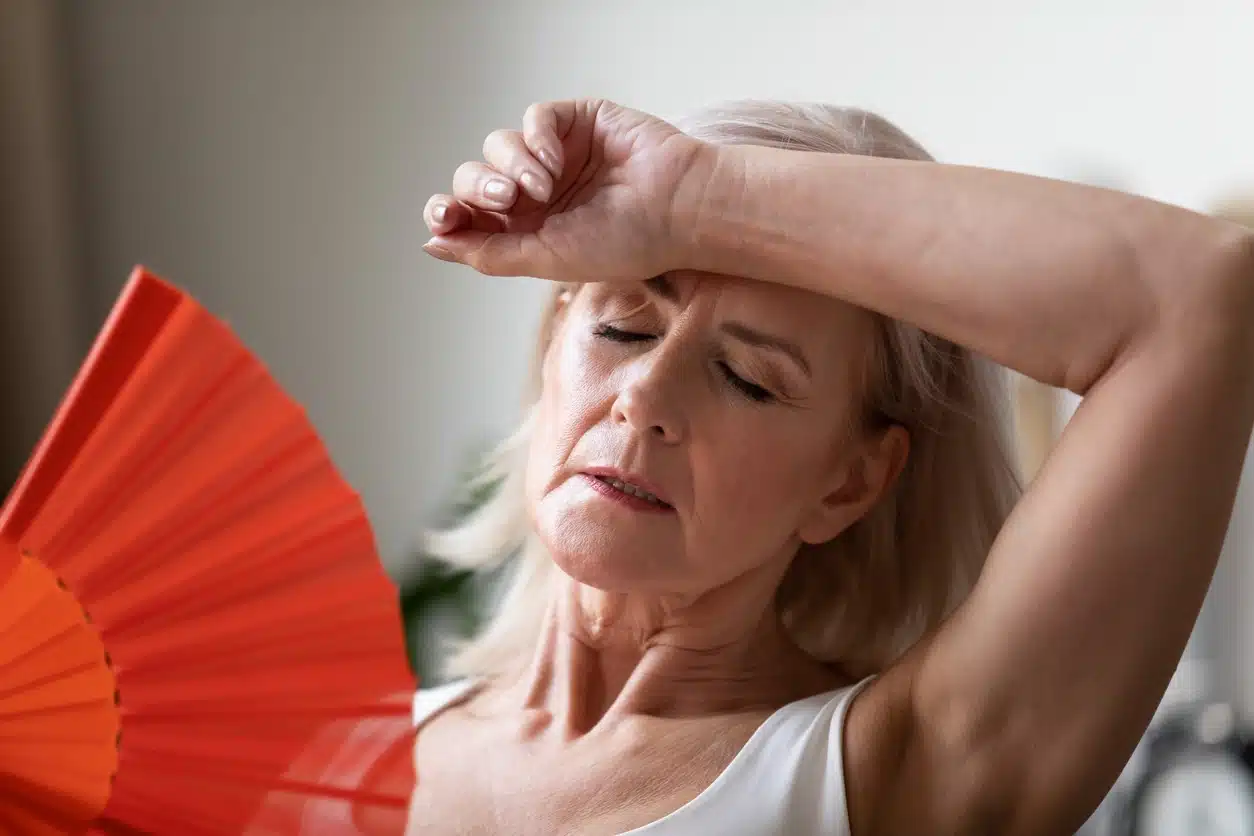
During this time, estrogen and progesterone levels begin to fluctuate and eventually decline. These hormones don’t just influence the menstrual cycle, they affect metabolism, brain function, sleep, mood, and how the body stores fat. Perimenopause symptoms can show up in many different ways, including hot flashes, mood swings, night sweats, and insomnia.
Progesterone is often the first hormone to decline, which can lead to a relative imbalance where estrogen becomes more dominant. This is sometimes referred to as estrogen dominance, even if overall estrogen levels are not necessarily high.
At the same time, other hormones such as insulin, cortisol, and even testosterone play an important role in how the body adapts during this phase of life. What this means is that hormonal health after 40 is not about one single hormone, it’s about how the entire system functions together.
Why These Changes Affect So Much During Perimenopause- and menopause
Hormones act as messengers throughout the body, influencing everything from appetite and energy to mood and recovery.
As estrogen and progesterone fluctuate, you may notice changes such as:
• Increased abdominal fat
• More intense PMS symptoms
• Changes in sleep quality
• Mood swings or irritability
• Lower resilience to stress
These changes are not random. They are the result of shifting hormonal signals interacting with your metabolism, nervous system, and lifestyle. This is why the same habits that worked in your 20s or early 30s may no longer feel as effective.
A Personal Perspective

Hormonal health is something I’ve had to learn about through my own experience. For many years, I struggled with what I later understood as estrogen dominance. These estrogen dominance symptoms showed up as heavy PMS, clotting, intense menstrual cramps, and periods that felt overwhelming to manage.
At one point, the symptoms were so severe that I had to use SSRIs cyclically just to get through certain phases of my cycle. That experience forced me to start asking questions and looking deeper. I realized how little I had been taught about how hormones actually work, and how much of an impact lifestyle, nutrition, and even stress can have on hormonal balance.
Over time, I began experimenting with different approaches. Nutrition played a significant role, particularly focusing on whole foods, reducing ultra-processed foods, and supporting blood sugar balance. I also explored Eastern medicine and herbal support, which made a meaningful difference for me.
Today, things are very different. My symptoms are far more manageable, and I feel much more in tune with my body. But it didn’t happen by chance. It came from understanding and supporting the system rather than trying to suppress symptoms.
Why Testing Your Hormones Matters
In your 40s, hormone levels don’t just change, they fluctuate. This is why testing can be a valuable tool. It provides insight into how your body is adapting and helps you make more informed decisions.
Personally, I now test my hormones regularly. I look at markers such as estrogen, progesterone, and testosterone, along with other indicators of metabolic and overall health. Testing doesn’t give all the answers, but it gives direction. It allows you to see patterns over time and adjust your approach accordingly.
Supporting Your Hormones Through Lifestyle
One of the most important shifts in how we think about hormones is this: You don’t directly control your hormones, but you strongly influence them through your lifestyle.
Rather than chasing quick fixes, it’s more effective to support the systems that regulate hormonal balance and by doing so, balance hormones naturally. Nutrition plays a central role. Prioritizing protein helps support muscle mass, metabolism, and satiety, while also stabilizing blood sugar. Reducing refined carbohydrates and ultra-processed foods can help improve insulin sensitivity, which is closely linked to hormonal balance.
Strength training is another powerful tool. As muscle mass naturally declines with age, maintaining and building strength helps support metabolic health and hormone function. It also improves resilience, energy, and body composition.
Sleep is often underestimated, but it is one of the most important regulators of hormonal health. Poor sleep affects cortisol, insulin, and appetite-regulating hormones, which can create a cascade of imbalances. Supporting your body’s circadian rhythm is essential during perimenopause and menopause. Read my guide on 5 Biohacks for Better Sleep here.
Stress management also becomes increasingly important. Chronic stress elevates cortisol, which can interfere with other hormones and contribute to symptoms such as fatigue, weight gain, and mood changes.
A Simple Way to Support Your Hormones Daily
One of the most impactful changes I made for my hormonal health was increasing my protein intake. Especially earlier in the day.
A protein-rich breakfast helps stabilize blood sugar, reduce cravings, and supports muscle mass, which becomes increasingly important as hormone levels shift after 40. It also sets the tone for more balanced energy throughout the day.
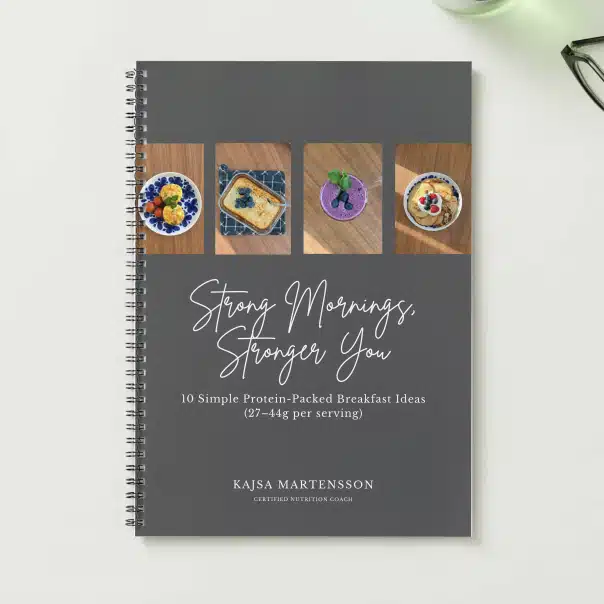
If you’re looking for simple, realistic ways to do this, I’ve put together my go-to recipes in my High-Protein Breakfast Recipe eBook. This eBook is designed to help you reach your protein goals without overcomplicating things.
👉 You can explore it here and start building meals that truly support your body.
Hormones, Strength, and Long-Term Health
One of the biggest mindset shifts for me has been understanding that hormone health is not just about symptoms, it’s about long-term resilience. The habits that support your hormones are the same habits that support longevity.
Building muscle, eating enough protein, supporting recovery, and maintaining metabolic health are not just short-term strategies. They are long-term investments in how your body will function in the years to come.
You’re Not Broken, Your Body Is Adapting
It’s easy to feel frustrated when your body starts responding differently. But these changes are not a sign that your body is failing. They are a sign that your body is adapting to a new phase. And with the right support, this phase can still be one of strength, energy, and vitality.
Final Thoughts on Hormones After 40
Hormonal changes after 40 are inevitable, but how you experience them is not fixed. When you understand what’s happening and begin supporting your body through nutrition, movement, sleep, and stress management, you shift from reacting to symptoms to working with your biology. For me, that shift has made all the difference. And it’s one of the most important steps you can take toward feeling better, not just now, but long-term.
FAQ Hormone Health After 40
What are the most common perimenopause symptoms?
Hormonal changes often begin subtly. Common early signs include changes in menstrual cycles, increased PMS symptoms, sleep disturbances, mood swings, and shifts in energy levels. Many women also notice changes in body composition, particularly increased fat storage around the abdomen.
What is perimenopause and when does it start?
Perimenopause is the transition phase leading up to menopause, where hormone levels begin to fluctuate. It can start as early as the mid-30s but is most common in the 40s. This phase can last several years before menopause, which is defined as 12 consecutive months without a menstrual cycle.
Why does estrogen dominance happen?
Estrogen dominance often occurs when progesterone levels decline faster than estrogen, creating an imbalance. This can happen naturally with age, but it can also be influenced by stress, poor diet, high body fat, and exposure to environmental toxins. Symptoms can include heavy periods, PMS, bloating, and mood changes.
Can lifestyle changes really improve hormone balance?
Yes, lifestyle plays a major role in hormonal health. Nutrition, strength training, sleep quality, and stress management all influence how hormones are produced, regulated, and utilized in the body. Small, consistent habits often have a bigger impact than short-term interventions.
How does protein intake affect hormones?
Protein supports muscle mass, metabolism, and blood sugar stability. These are all closely linked to hormonal health. Adequate protein intake can help reduce cravings, improve satiety, and support body composition, especially during perimenopause and menopause.
Should you test your hormones in your 40s?
Hormone testing can be a helpful tool to understand what is happening in your body, especially if you are experiencing symptoms. While levels fluctuate, tracking patterns over time can provide valuable insights and help guide lifestyle or nutritional changes.
How does stress affect hormones?
Chronic stress increases cortisol levels, which can interfere with other hormones such as estrogen and progesterone. Over time, this can contribute to symptoms like fatigue, weight gain, poor sleep, and increased cravings.
What is the difference between perimenopause and menopause?
Perimenopause is the transition phase where hormones fluctuate and symptoms begin. Menopause is officially reached when you have gone 12 months without a menstrual cycle. After that, you enter the postmenopausal phase.
Should you consider hormone replacement therapy (HRT)?
Hormone replacement therapy (HRT) can be a helpful option for some women, especially those experiencing more severe symptoms during perimenopause or menopause.
It typically involves supplementing hormones such as estrogen and progesterone to help reduce symptoms like hot flashes, sleep disturbances, and mood changes.
That said, HRT is not a one-size-fits-all solution. The decision to use it should always be made on an individual basis, ideally in consultation with a qualified healthcare professional who understands your medical history, risk factors, and personal goals.
Lifestyle factors such as nutrition, strength training, sleep, and stress management still play a foundational role, whether you choose to use HRT or not.


Pingback: Cortisol and Weight Gain After 40: Why Losing Weight Can Suddenly Feel Harder - Hacks for Wellness and Health
September 2, 2026 at 3:04 pm