


How to Boost GLP-1 Naturally (Without Medication)
GLP-1 is everywhere right now. Most people associate it with weight loss medications like Ozempic and Wegovy. But what many don’t realize is that GLP-1 is something your body already produces naturally. It’s actually a peptide. That raises an interesting question:
Instead of relying only on medication… can we support our own GLP-1 levels through lifestyle? Before we get into that, a quick and important note:
If you’ve been prescribed GLP-1 medication by your doctor, you should always follow their advice. This article is not about replacing medical treatment, but about understanding what your body is capable of when supported in the right way.
What Is GLP-1?
GLP-1 (glucagon-like peptide-1) is a hormone that plays a key role in appetite regulation and blood sugar control.
It helps:
• increase feelings of fullness
• slow down digestion
• regulate insulin release
• reduce blood sugar spikes
In simple terms, GLP-1 helps your body manage hunger, cravings, and energy more efficiently.
Why Is GLP-1 Important for Appetite and Weight Loss?
Part of the reason GLP-1 has become such a hot topic is because many people today struggle with constant hunger, cravings, unstable energy, and weight gain despite feeling like they are doing everything right.
And I understand why GLP-1 medications can be helpful. But at the same time, I can’t help but reflect on something.
We live in a world where food is constantly available, highly processed, and often engineered to be hard to resist. In many ways, the challenges we’re facing today are the result of an environment we’ve created ourselves.
That doesn’t mean it’s easy to change. But it does suggest that lifestyle still plays a bigger role than we often think.
My goal is not to judge anyone’s choices, but to show that there are ways to support your body naturally, especially before moving toward more advanced interventions.
How to Boost GLP-1 Naturally
Your body already has the ability to produce GLP-1. The key is creating the right conditions for it.
1. Eat Enough Protein
Protein is one of the most powerful nutrients for satiety. It naturally increases GLP-1 levels and helps you feel fuller for longer, while also supporting muscle mass and metabolism. Starting your day with a protein-rich meal can make a noticeable difference in appetite and energy throughout the day.

Struggling to Eat Enough Protein?
One of the easiest ways to support satiety and naturally increase GLP-1 is eating more protein. But in reality, many breakfasts are still low in protein and leave us hungry again shortly after eating.
That’s exactly why I created Strong Mornings, Stronger You, a high-protein breakfast recipe eBook designed to make protein intake simpler, more enjoyable, and easier to stay consistent with.
The recipes are quick, practical, and created to support energy, satiety, and long-term health without overcomplicating things.
2. Add More Soluble Fiber
Soluble fiber, found in foods like oats, legumes, chia seeds, and vegetables, plays a key role in digestion and gut health. It slows down how quickly food is absorbed and helps regulate blood sugar levels. It also supports GLP-1 release, making it an important part of a longevity-focused diet. Check out my Healthy Recipes for meal inspiration!
3. Choose Healthy Fats
Healthy fats, such as those found in olive oil, avocados, nuts, and fatty fish, help slow digestion and contribute to longer-lasting satiety. When combined with protein and fiber, they create meals that are much more satisfying and supportive of stable energy levels.
4. Move Your Body Regularly
Physical activity like resistance training has been shown to improve insulin sensitivity and support overall metabolic health. Even simple movement, like walking after meals, can help regulate blood sugar and support the hormonal environment needed for GLP-1 to function effectively.
5. Prioritize Sleep and Manage Stress
Sleep and stress are often overlooked, but they play a major role in appetite regulation. Poor sleep and chronic stress can disrupt hunger hormones, increase cravings, and make it harder for your body to regulate itself properly. Supporting your nervous system is just as important as what you eat.
6. Support Your Gut Microbiome
Your gut plays a central role in GLP-1 production. A diverse and healthy microbiome, supported by fiber-rich foods and fermented foods, can enhance the body’s ability to produce and respond to GLP-1. This is one of the reasons why gut health is so closely linked to both metabolism and long-term health.
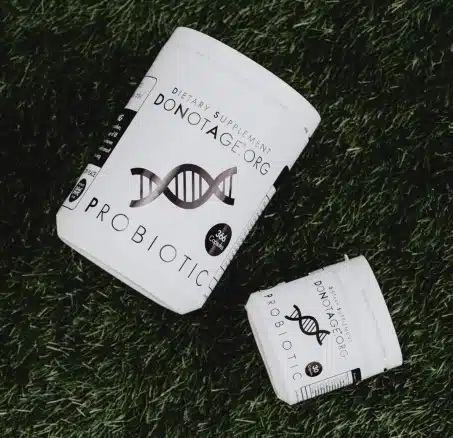
Want to Support Your Gut Microbiome?
Your gut microbiome plays a direct role in GLP-1 production, and keeping it diverse and healthy is one of the most powerful things you can do for your metabolism, digestion and long-term health.
But modern life, processed food, antibiotics and stress can all disrupt your gut balance. A high-quality probiotic can help restore and maintain that balance, supporting everything from digestion and immunity to mood and appetite regulation.
DoNotAge’s probiotic is formulated with strains specifically selected to support gut diversity and metabolic health.
What Natural GLP-1 Support Is (and Isn’t)
It’s important to be clear about one thing. Supporting GLP-1 naturally is not the same as taking medication. The effects will be more gradual and less dramatic. But they are also part of a bigger picture, one that supports overall health and longevity, not just weight loss. And for many people, that’s a more sustainable path.
A Simpler Way to Support Your Body
For me, this is a good example of something I come back to again and again. The body already has many of the systems we’re trying to “optimize” from the outside. The question is not always what we need to add, but what we need to support.
GLP-1 is not just something you inject. It’s something your body produces every day, if given the right conditions. And maybe that’s the more interesting part. Not how to override your biology, but how to work with it.
FAQ GLP-1
What foods naturally increase GLP-1?
Foods that are rich in protein, soluble fiber and healthy fats are the most effective for naturally stimulating GLP-1. Think eggs, fish, legumes, oats, chia seeds, avocados and olive oil. A meal that combines all three: protein, fiber and healthy fat, creates the strongest GLP-1 response.
Can you really boost GLP-1 without medication?
Yes, your body produces GLP-1 naturally every time you eat. The difference between natural production and medication is that medication keeps GLP-1 levels elevated for much longer, which is why the effects are more dramatic. Lifestyle changes work more gradually, but they support your overall health in ways that medication alone does not.
Does exercise boost GLP-1?
Yes. Both resistance training and cardio have been shown to support GLP-1 activity and improve insulin sensitivity. Even a short walk after a meal can help regulate blood sugar and support your body’s natural GLP-1 response.
Is berberine a natural alternative to GLP-1 medication?
Berberine is one of the supplements most discussed in this context. Some studies suggest it may support GLP-1 levels and improve blood sugar regulation, though the research is still limited. It is sometimes referred to as “nature’s Ozempic,” though that comparison is a significant overstatement.
Does intermittent fasting affect GLP-1?
During a fast, GLP-1 levels are naturally lower since no food has been consumed. However, when you break your fast with a protein and fiber-rich meal, the GLP-1 response tends to be strong. Intermittent fasting may also improve overall insulin sensitivity over time.
How long does it take to see results from boosting GLP-1 naturally?
Unlike medication, natural approaches work gradually. Most people notice improvements in appetite, energy and blood sugar stability within a few weeks of consistently eating more protein and fiber, moving regularly and prioritizing sleep. The key is consistency rather than perfection.
Are there any known side effects of GLP-1 medication?
Yes. The most commonly reported side effects of GLP-1 medications like Ozempic and Wegovy include nausea, vomiting, diarrhea, constipation and stomach discomfort (particularly in the early stages of treatment). Some people also experience fatigue, headaches and a reduced appetite that can occasionally be too severe. More serious but less common side effects include pancreatitis and changes in vision. As with any medication, it is important to discuss the risks and benefits with your doctor before starting treatment.
This article is for informational purposes only and does not constitute medical advice. Always consult your doctor before making changes to your health routine or medication.


