Hacks for Wellness

Welcome to Hacks4Wellness

Hacks4Wellness was born out of a deep passion for health, well-being, training, and biohacking. As a 41-year-old woman from Sweden, I’ve spent the last decade exploring the latest health hacks and trends to optimize my own wellness. With a background in Public Health, I’m excited to share my experiences and discoveries with like-minded health enthusiasts. This platform is my way of contributing to better health and well-being for a wider audience.

Contact

This website would be nothing without it's readers, followers and fans. That's why I encourage you guys to contact me if you have any ideas, comments or thoughts about Hacks4wellness or the content on the site.

Email: info@hacks4wellness.com

Instagram: @longevity_aspirant

TikTok: @hacks4wellness

Top
Visceral Fat

Visceral Fat: The Silent Threat to Your Long-Term Health

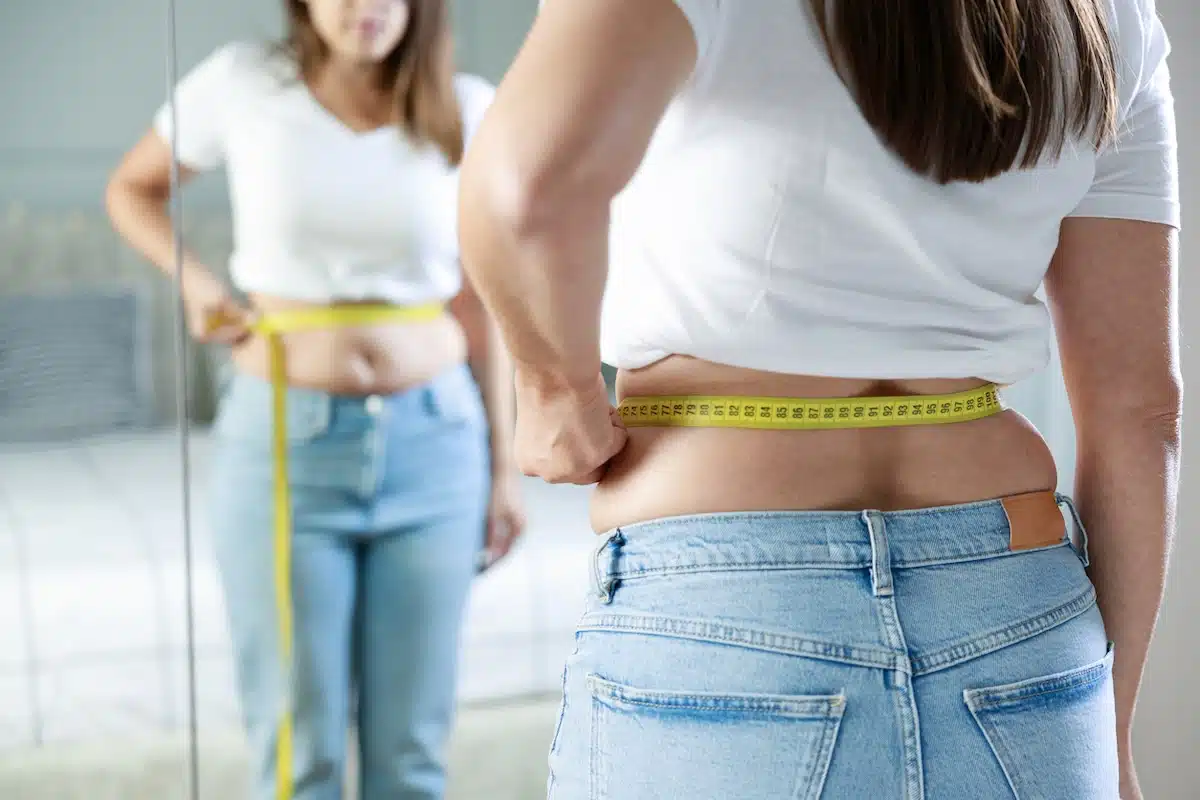
When most people think about body fat, they think about the kind they can pinch. But the most dangerous fat in the body is the kind you cannot see. Visceral fat sits deep inside the abdominal cavity, surrounding vital organs such as the liver, pancreas, and intestines. Unlike subcutaneous fat, which lies just under the skin, visceral fat is metabolically active and strongly associated with inflammation, insulin resistance, cardiovascular disease, and shortened lifespan. It’s often referred to as a “silent” health risk because it can accumulate even in individuals who don’t appear visibly overweight. Understanding visceral fat is one of the most important steps in protecting long-term metabolic and cardiovascular health. What Is Visceral Fat? Visceral fat is deep abdominal fat stored around internal organs. It behaves very differently...

Share
Protein for Longevity

Why Protein Is on Everyone’s Lips — And Why It Matters Even More After 40

If you follow any health or fitness conversation right now, you’ve probably noticed one nutrient dominating the discussion: protein. Protein is no longer just associated with bodybuilders or athletes. It has become one of the most researched and discussed nutrients in longevity science, metabolic health, and healthy aging — and for good reason. While protein is important at every stage of life, its role becomes increasingly critical as we move into our 40s and beyond. This is when the body naturally begins to lose muscle mass, metabolic flexibility can decline, and bone density becomes more vulnerable to age-related changes. Over the past few years, protein has become one of the biggest cornerstones of my own health strategy. Since prioritizing protein in every meal, I’ve noticed significant improvements...

Share
longevity health tests

The Longevity Blood Tests You Should Track (And What They Reveal About Aging)

When people ask me what has had the biggest impact on my long-term health, they often expect me to talk about supplements, workouts, or nutrition strategies. And while those absolutely matter, the real foundation of my longevity approach is something far less talked about: Tracking the right health biomarkers consistently over time. Because longevity is not built on guesswork. It’s built on feedback. Every year, I run a full blood panel, monitor my hormone health, and track my biological age using advanced testing. These tests don’t just give me numbers, they give me a roadmap. They help me see whether my lifestyle choices are moving me toward healthier aging… or silently working against me. Over the years, these tests have helped me refine my routines, adjust my supplementation,...

Share
Health areas longevity

If You Care About Longevity, These Health Areas Matter the Most

Longevity is often presented as a collection of hacks, supplements, and routines. Red light therapy. Cold exposure. NMN. Fasting. Tracking everything. But when you zoom out, healthy aging isn’t complicated, it’s layered. If you truly care about living longer and feeling well while doing so, there are a few core health areas that matter far more than the rest. These are the foundations that determine how resilient your body is, how fast you recover, and how well you adapt to stress, illness, and time itself. Everything else sits on top of these. Cardiovascular Health: The Silent Driver of Longevity Cardiovascular health is still the number one determinant of lifespan. Heart disease remains the leading cause of death worldwide, yet many people underestimate how early vascular health begins to decline....

Share
Reduced biological age

How I Reduced My Biological Age by 12 Years

When I took my yearly biological age test from GlycanAge, I expected to see small improvements. I’ve been consistent with my health habits for years, but I also live a real life with work, stress, relationships, travel etc What I didn’t expect was this: At 41 years old, my biological age came back as 29. That result didn’t happen overnight. And it didn’t come from one supplement, one diet, or one biohack. It’s the outcome of years of small, repeatable habits that work with my biology instead of against it. In this article, I want to explain: • how the GlycanAge test works • what my results actually mean • how I live day-to-day to support healthy aging • what my results revealed about my genetics • and what I’m adjusting going...

Share
Modern light and hormones

How Modern Light Exposure Is Disrupting Your Hormones and Sleep

We Were Never Meant to Live Like This For most of human history, light followed a predictable rhythm. Days were bright and spent outdoors, while evenings were dim and quiet, illuminated only by fire. That warm, flickering light signaled safety, rest, and the natural end of the day. Today, our environment looks nothing like that. We are surrounded by artificial lighting from the moment we wake up until long after sunset. Screens, LED bulbs, streetlights, and indoor lighting constantly expose our eyes to blue, flickering light. That's a signal our biology still interprets as daytime. Our eyes may have adapted to this modern world, but our hormones haven’t. And the consequences show up as poor sleep, hormonal imbalance, elevated stress, and a circadian rhythm that never quite knows...

Share
blood sugar spikes

Powerful Tips on How to Avoid Blood Sugar Spikes

A blood sugar spike can sound like a small thing — just a rise in glucose after we eat. But the truth is, these little swings add up. They influence our mood, our hunger, our focus, and even our sleep. And when they become frequent, they quietly nudge our body toward inflammation, cravings, and metabolic imbalance. It’s one of those “hidden habits” that shapes how we feel more than we think. Over time, frequent spikes can lead to: - Insulin Resistance - Chronic inflammation - Fatigue and mood swings - Accelerated aging - Weight gain - Increased risk of type 2 diabetes - Hormonal imbalance - Cravings and constant hunger Stable blood sugar is one of the most important foundations for hormonal balance, metabolic health, and longevity. And the good news? Small daily habits...

Share
fiber

The Important Nutrient 90% of the Population Is Missing

Fiber is one of the most underrated nutrients in modern nutrition. Despite its massive impact on digestion, hormones, satiety, blood sugar, and long-term health, most people barely eat half of what they need. Data from the UK’s National Diet and Nutrition Survey (NDNS) shows that more than 90% of adults don’t reach recommended fiber intake — and the numbers in the United States are nearly identical. In a world full of ultra-processed foods, low-fiber meals, protein bars labeled “healthy,” and drinks marketed as “zero sugar,” it’s no surprise that fiber intake has plummeted. Yet this single nutrient affects almost every system in the body, from your gut microbiome to your hormones, mood, immune system, and even longevity. Why Fiber Became a Non-Negotiable for Me For many years, I was...

Share
Circadian rythm

What Is Circadian Rhythm — And Why Does It Matter for Your Health?

Your body runs on rhythm, not willpower. Circadian rhythm is your internal 24-hour clock that impacts sleep, hormones, metabolism, immunity, and healthy aging. Here’s how it works and why it matters. Your Body Has a Built-In 24-Hour Clock Circadian rhythm is your body’s internal timing system — a roughly 24-hour cycle that regulates nearly every biological process, including cortisol, melatonin, metabolism, digestion, body temperature, and sleep. Unlike sleep alone, this rhythm coordinates the entire body. When it's aligned, your body becomes more efficient, calmer, hormonally balanced, and better at cellular repair and recovery — all central to healthy aging and extended lifespan. For our ancestors, this alignment happened naturally because they lived by the sun. Their days started at sunrise, ended at sunset, and nights were spent in complete...

Share
ultra processed food study

Ultra-Processed Foods: The World’s Largest Study Says They’re a Threat to Global Health

A new analysis published in The Lancet — the largest scientific study ever conducted on ultra-processed foods — has found that UPFs are linked to harm in nearly every major human organ system. Here’s what the research reveals, why this matters, and how reducing UPFs transformed my own health. A Landmark Moment in Nutrition Science For years, many of us in the health and longevity space have warned that ultra-processed foods (UPFs) come with consequences far beyond weight gain. Now we finally have the strongest scientific confirmation to date. A massive global review, published in The Lancet in November 2025, examined over 9,000 studies, making it the largest scientific analysis ever conducted on UPFs. The conclusion?Ultra-processed foods pose a measurable threat to global health and wellbeing. The study links...

Share