

Cold Plunges for Women: What Does the Research Actually Say?
Cold plunges have become one of the most talked-about practices in the world of health and longevity. From ice baths to cold showers, they’re often promoted as a powerful way to boost energy, improve recovery, and build resilience.
I’ve been curious about cold exposure for a long time. It’s one of those habits that keeps showing up in conversations around biohacking and longevity. But over time, my own approach has shifted.
While I still do cold plunges occasionally, I’ve found myself leaning more toward sauna use for longevity. And when I do cold exposure, it’s often less about pushing limits and more about the refreshing feeling afterwards.
At the same time, I’ve always had a question in the back of my mind: Do women respond to cold exposure in the same way as men? Because when you look closer at the research, things become more nuanced.
What Is a Cold Plunge?
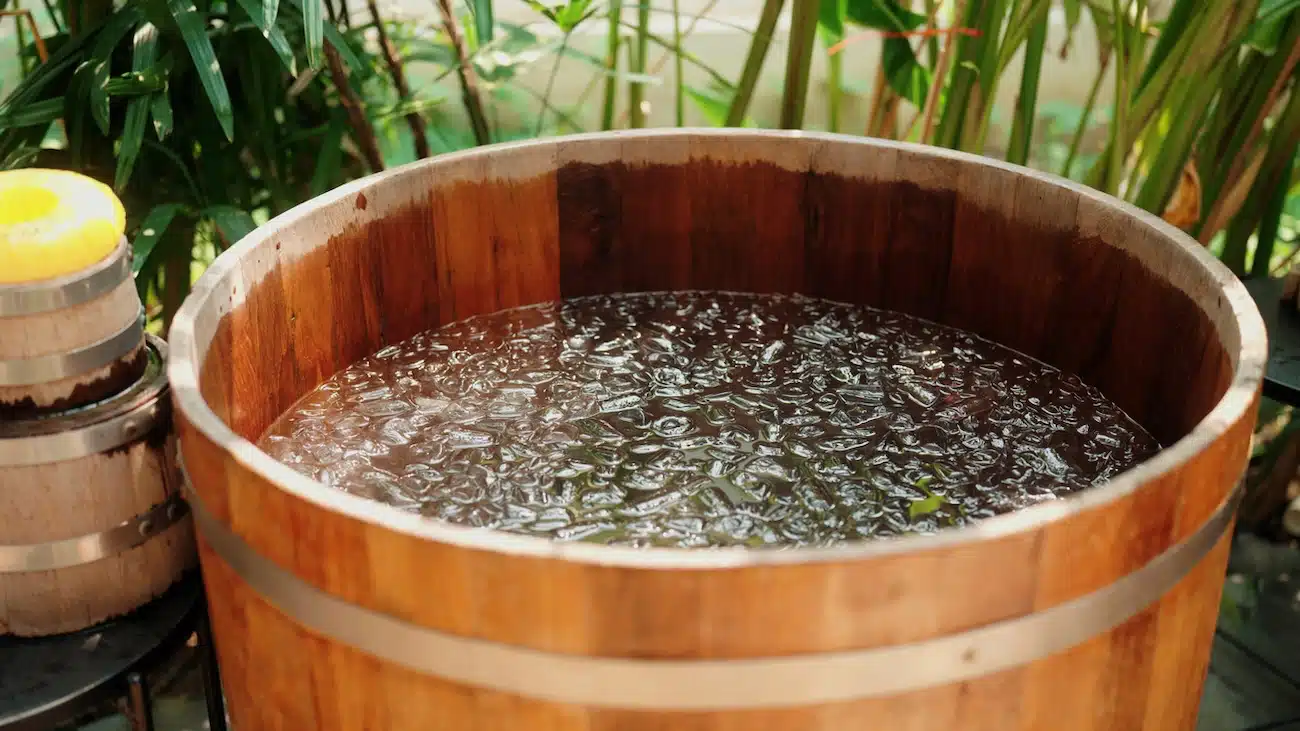
A cold plunge typically involves immersing the body in cold water, often between 5 and 15°C (41–59°F), for a short period of time. This can be done in ice baths, cold tubs, lakes, or even through cold showers.
The idea is to expose the body to a controlled stressor, triggering physiological responses that may support health over time.
Why Cold Exposure Became So Popular
Cold exposure has gained popularity through biohacking figures like Wim Hof and the broader biohacking community.
It’s often associated with benefits such as increased dopamine levels, improved circulation, reduced inflammation, and enhanced mental resilience. For many, it’s also about building discipline and stepping outside of comfort zones. But while these benefits are widely discussed, it’s important to recognize that much of the research behind them has been conducted on men.
Potential Benefits for Women
There are several reasons why women may benefit from cold exposure, even though the research is still evolving. Some studies and anecdotal reports suggest improvements in mood, energy, and overall well-being. The increase in dopamine after cold exposure may contribute to the uplifting, refreshed feeling many people experience afterwards.
Cold exposure may also support circulation and reduce inflammation, both of which are relevant for long-term health.
There is also emerging interest in how cold water exposure may support women during menopause, with some reporting reduced symptoms such as hot flashes and improved mood. While more research is needed, this is an area worth paying attention to.
Track Your Biological Response
If you’re experimenting with things like cold exposure or sauna, it’s natural to wonder what’s actually happening beneath the surface.
GlycanAge measures your biological age based on inflammation markers, giving insight into how your body responds to stress and recovery over time.
It’s a way to move beyond guesswork and better understand what works for you.
What the Research Still Doesn’t Tell Us
This is where things get more complex. A large portion of cold exposure research has been done on men, which means we don’t yet have a complete understanding of how women respond physiologically.
Women tend to have a different hormonal profile and a more sensitive stress response system. This can influence how the body reacts to cold, particularly when it comes to cortisol and nervous system activation.
There is also evidence suggesting that women may have a higher sensitivity to cold, which raises the question of whether extremely low temperatures are necessary, or even optimal.
In other words, more is not always better.
Do Women Need to Approach Cold Exposure Differently?
Based on what we know so far, it’s reasonable to assume that women may benefit from a more moderate approach.
This could mean:
• slightly warmer cold temperatures
• shorter exposure times
• a stronger focus on how the body feels rather than pushing through discomfort
From my own experience, this perspective has made a difference. I no longer see cold exposure as something to “push through,” but rather something to use intentionally. When I do it, I focus on how it makes me feel afterwards, not how extreme the exposure is.
When to Be More Cautious
Cold exposure is not for everyone, and there are situations where it’s important to be more careful. This includes periods of high stress, burnout, or fatigue, where adding another stressor may not be helpful. It may also not be appropriate during pregnancy or for individuals with certain cardiovascular conditions. As with most things related to health, context matters.
Cold Plunges vs Sauna: A Balanced Perspective
Interestingly, as my interest in cold exposure has evolved, I’ve found myself using sauna more consistently. Heat exposure tends to feel more supportive for my body, especially in terms of relaxation and recovery. And unlike cold exposure, the research on sauna use is more established.
Large population studies have found that regular sauna use is associated with a lower risk of cardiovascular disease, dementia, and all-cause mortality. One of the most well-known studies followed middle-aged men for over 20 years and found that those who used the sauna more frequently had significantly better long-term health outcomes.
This doesn’t mean sauna is a “better” option for everyone, but it does highlight an important point. Both heat and cold are forms of stress on the body, and how we respond to them can differ.
For me, sauna has become a more consistent part of my routine, while cold exposure is something I use more occasionally. Not as something to push through, but as a tool I come back to when it feels right.
Final Thoughts
Cold plunges can be a useful tool, but they are not a magic solution. For women in particular, the key may not be how extreme the exposure is, but how well it aligns with your body and your overall lifestyle. If it leaves you feeling refreshed, energized, and more resilient, it can be a valuable addition. But if it feels draining or overly stressful, it may not be the right approach, at least not in that moment. Because in the end, longevity is not about doing the most intense thing. It’s about doing what works for you, and doing it consistently.
FAQ Cold Plunges for Women
Are cold plunges good for women?
Yes, cold plunges may offer benefits for some women, including improved mood, resilience, circulation, and recovery. However, women may respond differently to cold exposure than men, and a more moderate approach may often be more appropriate.
Are women more sensitive to cold exposure?
Research suggests that women may have a higher sensitivity to cold stress compared to men. Hormones, body composition, and differences in the stress response system may all influence how women respond to cold exposure.
What temperature should women use for cold plunges?
Many women may benefit from slightly warmer cold temperatures rather than extreme ice baths. Temperatures around 10–15°C (50–59°F) are often suggested as a more moderate and sustainable approach.
Can cold plunges affect hormones?
Cold exposure activates the nervous system and can temporarily increase stress hormones like cortisol. Because women have different hormonal patterns than men, some experts believe women may need a more individualized approach to cold exposure.
Is sauna better than cold plunges for women?
There is no universal answer, but some women may tolerate and benefit from heat exposure more consistently than extreme cold. Sauna use also has stronger long-term research behind it, particularly regarding cardiovascular health and longevity. Personally, I tend to prefer sauna over cold plunges, partly because of how it feels, but also because of the amount of research supporting its long-term benefits.
Should women cold plunge during their menstrual cycle?
Some women may find cold exposure feels different depending on where they are in their cycle. Listening to your body and adjusting intensity or duration accordingly may be a more supportive approach.


