Hacks for Wellness

Welcome to Hacks4Wellness

Hacks4Wellness was created from a genuine passion for health, longevity, nutrition, exercise, and biohacking. As a woman in my forties, I’ve spent more than a decade exploring ways to improve my own health, from the fundamentals of nutrition, movement, and sleep to emerging research and new wellness technologies.

With a background in Public Health and certification as a Nutrition Coach, I combine what I’ve learned through education and research with my own real-world experiences and experiments.

Hacks4Wellness is where I share what I discover along the way, with one goal: to help make healthier living and longevity more practical, understandable, and achievable.

Contact

Hacks4Wellness wouldn’t be what it is without its readers and community. If you have a question, an idea for something you’d like me to explore, feedback on the site, or simply want to say hello, I’d love to hear from you.

Feel free to get in touch anytime.

Email: info@hacks4wellness.com

Instagram: @longevity_aspirant

TikTok: @longevity.aspirant

Top
rebounding

The Benefits of Rebounding (Trampoline Workout)

Rebounding or trampoline exercise is not just for kids, it is a powerful low impact workout with numerous health benefits. Whether it is fitness, lymphatic drainage or longevity that you are looking to improve, rebounding is a fun and effective way to enhance your wellness routine.It's also an accessible method because you don't need a large trampoline in your backyard to practice rebounding. Instead, you can just buy a small one that you place in any room you want. Keep reading to learn more about how rebounding and bouncing can strengthens the body. What is Rebounding? Rebounding involves jumping on a mini-trampoline, also called a rebounder. During rebounding you are rocking your body which activates your parasympathetic system. The pressure is also evenly distributed between different body...
Share
grounding

Grounding: A Natural Practice for Better Health

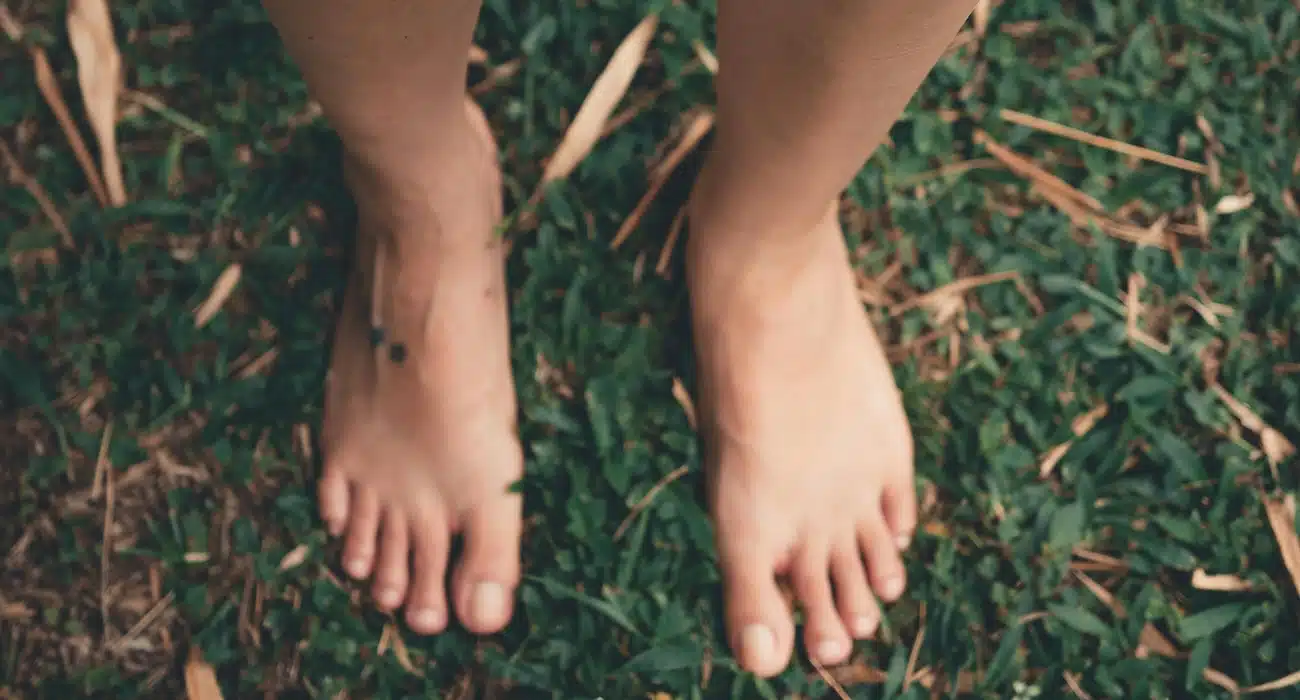
Grounding, also known as earthing, is a simple but powerful practice that means direct physical contact with the Earth’s surface. In our modern lives, we typically spend the majority of our time indoors, behind screens and distanced from nature. Not feeling grounded with the Earth's surface can lead to fatigue, stress and imbalance. Engaging in some form of grounding, whether going barefoot on grass, sitting on the earth or using grounding devices - has gained popularity because of its perceived positive health benefits. But what exactly are these benefits, and what does science say about grounding? The Benefits of Grounding Grounding is said to affect the body’s electrical charge, stabilizing it and reducing inflammation. The idea is that it neutralizes free radicals moving around in the body, which may work...

Share
health goals 2025

How to Reach Your Health Goals in 2025: A Fresh Perspective

The start of a new year often comes with a wave of motivation and the promise of change. But instead of setting fleeting New Year’s Resolutions, which often feel like obligations, why not set New Year’s Goals? Goals carry a sense of purpose and excitement—they’re not about avoiding failure but about moving toward something meaningful. This is something I have made for years now and I can really feel the difference. In this post, we’ll reflect on the past year, set clear intentions for the year ahead, and explore actionable strategies for achieving your health goals in 2025. Reflect on the Year That Has Passed Before diving into planning, take a moment to pause and reflect: 💪 What were your biggest health wins this year? 💪 Which habits served you...

Share
Spermidine Longevity Connection

Spermidine: The Longevity Molecule You Should Know About

In the search for a longer, healthier life, science often reveals fascinating compounds that play a role in aging and longevity. One such discovery is spermidine, a naturally occurring polyamine found in our bodies and certain foods. Research suggests that spermidine could be a key player in slowing down the aging process and promoting cellular health. What Is Spermidine? Spermidine is a compound essential for various cellular functions, including growth and repair. It was first identified in sperm (hence the name), but don’t worry—it’s also present in everyday foods like wheat germ, soybeans, mushrooms, and aged cheese. What makes spermidine so interesting is its ability to stimulate a process called autophagy. Autophagy is the body’s natural mechanism for cleaning out damaged cells and regenerating new ones. You...

Share
Biological Age

Do You Know Your Biological Age?

Most of us are familiar with our chronological age—the number of years we’ve been alive. But did you know that your biological age can tell a much deeper story about your health and how well your body is aging? Biological age reflects the condition of your cells, tissues, and organs, offering insights into your overall health and longevity. Get Your GlycanAge Test Here 👉 GLYCANAGE (The code: HACKS4 will give you 10% discount) Chronological Age vs. Biological Age Your chronological age is fixed—It’s simply the number of years that have passed since you were born. Biological age, on the other hand, is influenced by various lifestyle factors like diet, exercise, sleep, and stress management. It’s possible for someone in their 40s to have the biological age of someone...

Share
Blue Blockers Swanwick

Optimize Your Sleep: The Power of Blue Blockers

Good quality sleep is one of the most essential pillars of health and well-being. However, in today’s digital age, exposure to blue light from screens and artificial lighting can significantly disrupt our sleep patterns. If you’re looking for a simple yet effective way to improve your sleep, blue blockers might be the solution you need. The Problem with Blue Light Before Bed Blue light, emitted by screens on devices like phones, tablets, and computers, has been shown to suppress the production of melatonin—the hormone responsible for regulating sleep. Research published in the Journal of Pineal Research highlights that even short exposure to blue light in the evening can delay melatonin production, making it harder to fall asleep and stay asleep. In addition to delaying melatonin, blue light disrupts our circadian...

Share