

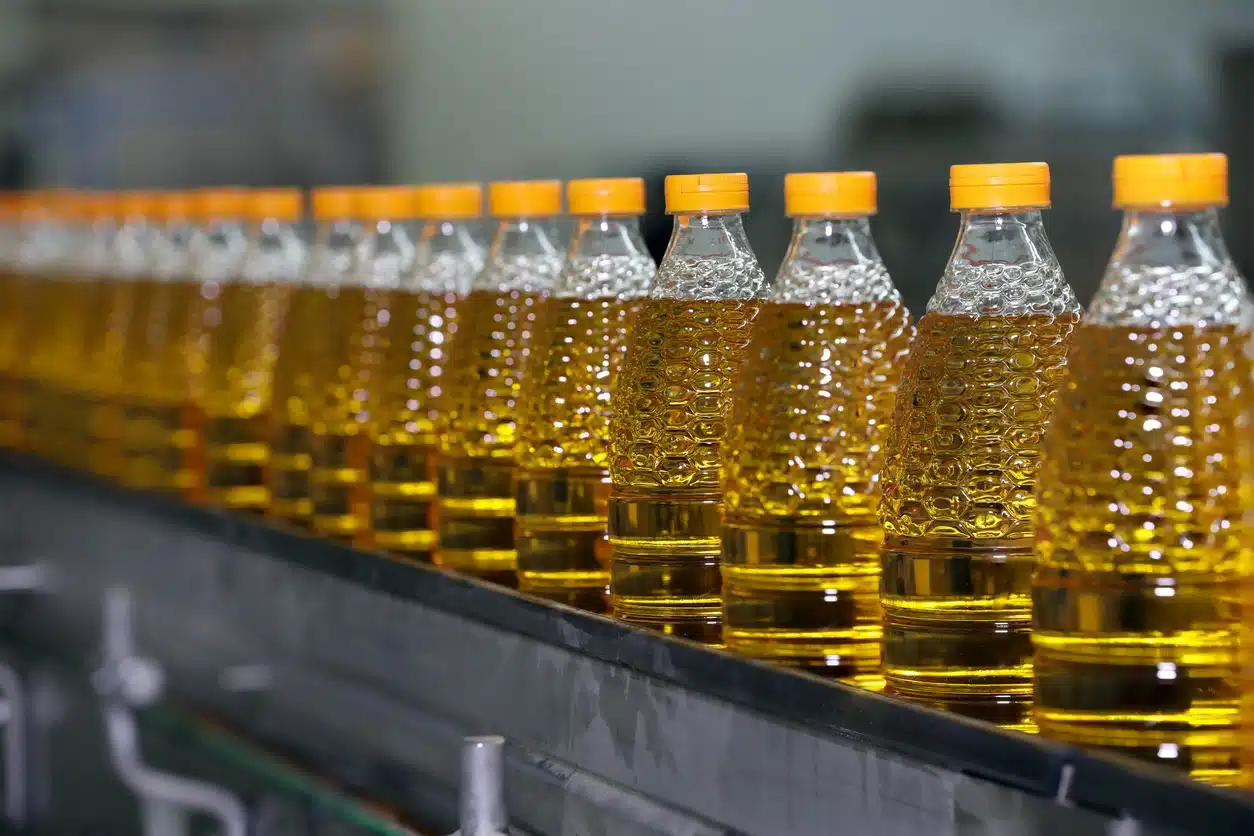
Why I Don’t Use Seed Oils Anymore | Are Seed Oils Bad?
For years, vegetable oils were presented as the healthier alternative to traditional fats like butter. Part of that shift can be traced back to the work of Ancel Keys and the Seven Countries Study, which helped popularize the idea that saturated fat was a major driver of heart disease. The study became hugely influential in shaping low-fat dietary advice, even though its observational design and interpretation have been debated ever since.
Vegetable oils then became almost impossible to avoid, appearing in everything from salad dressings and mayonnaise to protein bars, restaurant meals, chips, crackers, sauces, and foods marketed as “healthy.”
I used to consume them too.
But the more I learned about how these oils are produced, their high concentration of omega-6 linoleic acid, and what can happen when polyunsaturated fats oxidize, the less comfortable I became with making them a regular part of my diet.
Then I read Dark Calories by Dr. Catherine Shanahan.
It was a real eye-opener. The book made me look much more closely at something I had previously paid relatively little attention to: the type of fat hidden inside the food we eat.
Today, I actively avoid the refined seed oils Shanahan calls the “Hateful Eight.” Not because I believe one meal cooked in sunflower oil will suddenly ruin my health, but because I’ve seen enough to decide that I don’t want these highly refined oils making up a meaningful part of my diet.
And once you start reading ingredient labels, you realize just how prevalent they have become.
What Are Seed Oils?
Seed oils are oils extracted from the seeds of plants. While humans have consumed seeds for thousands of years, the ability to extract large quantities of oil from them and incorporate those oils throughout the food supply is comparatively modern.
The term “seed oils” covers many different products, and not every oil obtained from a seed is chemically identical. The oils at the center of the current debate, however, tend to share one important characteristic: many contain substantial amounts of the omega-6 polyunsaturated fatty acid linoleic acid.
Linoleic acid is an essential fatty acid. Our bodies need it, and we cannot produce it ourselves. The question isn’t whether we need any linoleic acid. We do. The question I became interested in is whether the enormous availability of refined, linoleic-acid-rich oils in the modern food supply means we’re now consuming them in quantities and contexts that are very different from those in which humans historically obtained this essential fat.

Want to Take Your Longevity Journey Further?
If you’re interested in making practical changes that support your long-term health, I’ve put together a FREE Longevity eBook with the habits and strategies I believe matter most.
You’ll also join my newsletter, where I share new longevity research, health optimization tips, recipes, and the things I’m currently experimenting with myself.
The “Hateful Eight” Seed Oils I Avoid
In Dark Calories, Dr. Catherine Shanahan uses the term “Hateful Eight” for eight refined seed oils she recommends eliminating from the diet.
They are:
• Canola oil (also known as rapeseed oil)
• Corn oil
• Cottonseed oil
• Soybean oil
• Sunflower oil
• Safflower oil
• Grapeseed oil
• Rice bran oil
Once I started looking for them, I realized they were everywhere.
They aren’t only sitting in bottles in the cooking-oil aisle. They appear in mayonnaise, dressings, dips, plant-based milks, breads, crackers, granola, protein products, ready meals and restaurant food.
Avoiding them therefore changed much more than the oil I poured into my frying pan.
Did You Know? The Surprising History of Canola Oil
Canola oil also has an interesting history. Modern canola was developed from rapeseed, an oilseed with a long history of industrial use. Rapeseed oil was once used for lighting and later became an important industrial lubricant, particularly for marine engines during World War II. It wasn’t until decades later that Canadian plant breeders developed low-erucic-acid, low-glucosinolate varieties specifically suitable for widespread food use. The new crop was eventually given the name “canola” in 1978.
How Are Seed Oils Made?
This was another part of the subject that changed the way I looked at these oils.

Commercial production varies by oil and manufacturer, but conventional refined vegetable oils can undergo multiple processing stages including extraction, refining, bleaching and deodorization.
The end product sitting on a supermarket shelf therefore looks very different from the seed from which it originated.
This doesn’t automatically mean a food is harmful. Processing itself isn’t evidence of toxicity, and plenty of foods require processing before we eat them.
But personally, when I’m choosing the fats that will make up a regular part of my diet, I prefer minimally processed options whenever practical.
There is also the GMO question. Some major oil crops, particularly canola and soybean in countries such as the United States, are commonly grown using genetically engineered varieties. GMO status and the fatty-acid composition of an oil are two separate issues, however, so I don’t think they should be conflated into one argument.
For me, the bigger issue is what the modern food system has allowed us to do: cheaply extract enormous quantities of oil and add it to foods throughout the diet.
Seed Oils, Linoleic Acid and Oxidation
This is where the subject becomes particularly interesting. The fats in seed oils are often rich in polyunsaturated fatty acids. Because of their multiple double bonds, PUFAs are more susceptible to oxidation than more saturated fats.
When lipids oxidize, they can produce reactive compounds through a process called lipid peroxidation. Some of these oxidation products, including reactive aldehydes and oxidized linoleic-acid metabolites, can interact with proteins, DNA and cell membranes.
This is not fringe biochemistry. Lipid peroxidation and oxidative stress are well-established areas of research. That matters to me because cooking oils aren’t always consumed straight from a freshly opened bottle. They can be exposed to heat, oxygen and light, and restaurant frying oils may undergo prolonged or repeated heating. This is one of the biggest reasons I don’t want highly refined, linoleic-acid-rich oils to be a major source of calories in my diet. I would rather choose fats that I feel comfortable cooking with and minimize unnecessary exposure to oxidized fats in the first place.
Do Seed Oils Cause Inflammation?
One of my biggest concerns with seed oils is their high concentration of omega-6 linoleic acid. Our bodies need some linoleic acid, but the amount we consume today has increased dramatically as refined seed oils have become common ingredients in processed foods.
The problem is that linoleic acid is a polyunsaturated fat, which means it is particularly vulnerable to oxidation. When these fats oxidize, especially when exposed to heat, they can form compounds that contribute to oxidative stress and can damage cells and cell membranes. This process, known as lipid peroxidation, is one of the reasons I question whether consuming large amounts of these oils is as harmless as we’re often told.
There is human evidence worth paying attention to. In one controlled dietary intervention, reducing linoleic acid significantly lowered levels of oxidized linoleic acid metabolites (OXLAMs) circulating in the body. These compounds are produced when linoleic acid oxidizes and have been investigated for their role in inflammatory and other disease processes.
And then there are the older controlled human trials.
In the Sydney Diet Heart Study, researchers replaced saturated fats with omega-6 linoleic acid from safflower oil and margarine. Cholesterol went down, but instead of improving outcomes, the group consuming more linoleic acid had higher rates of death from cardiovascular disease, coronary heart disease, and all causes.
The Minnesota Coronary Experiment produced another surprising result. Replacing saturated fat with linoleic-acid-rich corn oil lowered cholesterol significantly, yet researchers found no mortality benefit from the intervention.
Neither study proves that eating seed oils directly causes inflammation or that every amount of linoleic acid is harmful. But they certainly challenge the simple idea that replacing traditional saturated fats with omega-6-rich vegetable oils automatically leads to better health.
For me, when I combine these human studies with what we know about oxidation and lipid peroxidation, I see enough reason to limit highly refined, linoleic-acid-rich seed oils rather than make them a regular part of my diet.
Another reason I remain cautious is that nutrition research doesn’t happen in a vacuum. Food manufacturers and industry organizations fund a significant amount of nutrition research, and studies with industry ties have been shown to be more likely to report conclusions favorable to the sponsor’s interests. This doesn’t automatically make industry-funded research unreliable, but potential conflicts of interest are something I think we should be aware of when interpreting the evidence.
When billions of dollars depend on cheap ingredients used throughout the food supply, I don’t think it’s unreasonable to ask who funded the research, how the study was designed, and whether the entire body of evidence supports the conclusions we’re being given.
What About the Omega-6 to Omega-3 Ratio?
Another reason I limit seed oils is their contribution to the balance between omega-6 and omega-3 fatty acids in our diet. Both are essential, but the modern Western diet tends to provide far more omega-6 than omega-3, largely because omega-6-rich oils have become so common in processed foods.
It’s often suggested that humans historically consumed omega-6 and omega-3 in a ratio closer to 1:1, while estimates for today’s Western diet commonly range from around 10:1 to 20:1. There is debate over whether we should aim for one specific ratio, such as the frequently cited 4:1, but I think the broader message is more important: most of us would benefit from being more conscious of where our fats are coming from and making sure we’re getting enough omega-3.
Personally, I do both. I limit foods containing refined seed oils while deliberately including omega-3-rich foods such as fatty fish in my diet.
Want to dig deeper? Read my guide: Why Balancing Omega-3 and Omega-6 Is Crucial for Your Health.
Balance Your Fats With Omega-3
While I avoid refined seed oils, I make a conscious effort to get enough omega-3s from fatty fish and supplementation. DoNotAge Omega-3 provides EPA and DHA, two important omega-3 fatty acids that support cardiovascular health, brain health and a healthy inflammatory response.
👉 Explore DoNotAge Omega-3 (and get 10% off with code KAJSA)
Why I Ultimately Stopped Eating Seed Oils
After reading Dark Calories and then digging further into the research, I reached a point where I couldn’t see a compelling reason to keep these oils in my diet.
I’m concerned about how much linoleic acid the modern food environment allows us to consume, how readily polyunsaturated fats can oxidize, what happens to oils during high-temperature and repeated heating, and how heavily refined seed oils are embedded in ultra-processed foods.
I also don’t think we yet understand all the consequences of shifting human fat consumption so dramatically over a relatively short period of history.
For me, that’s enough reason not to eat them.
I don’t need absolute proof that a food will cause disease before deciding that I don’t want it to form a regular part of my diet. When there are alternatives available that fit my diet perfectly well, I see no reason to take that gamble.
That doesn’t mean I panic if I discover that something I ate at a restaurant contained sunflower or rapeseed oil. I’m interested in what I do consistently, not achieving dietary perfection.
But at home, I don’t buy the Hateful Eight. I read ingredient labels, choose restaurants carefully when possible, and make a conscious effort to keep them out of my everyday diet.
What I Use Instead of Seed Oils
Removing seed oils hasn’t made cooking particularly difficult. For higher-temperature cooking, avocado oil is one of my preferred choices. I use extra-virgin olive oil regularly as well, both for dressings and cooking. Olive oil is often unfairly portrayed as unsuitable for heat based purely on smoke point, despite its antioxidant content and relatively high oxidative stability.
I also cook with butter and ghee, and use coconut oil when its flavor works with the dish. These are the fats I choose to keep in my kitchen.
Importantly, this isn’t about finding one “perfect” cooking fat. Different fats have different fatty-acid profiles, flavors and culinary uses. My goal is simply to choose fats intentionally rather than accepting whatever cheap refined oil happens to have been added to a packaged product.
Do You Need to Avoid Every Drop of Seed Oil?
No. At least, that’s not how I approach it. I live in the real world. I eat at restaurants, travel, and occasionally eat food when I don’t know exactly what was used to prepare it. For me, avoiding seed oils means not making them part of my normal diet. I don’t cook with them. I check ingredient labels. I avoid foods containing them when there is a reasonable alternative.
What I don’t do is turn one accidental teaspoon of canola oil into a health emergency. The overall pattern matters far more to me, and refined seed oils are simply no longer part of that pattern.
FAQ Seed Oils
Are seed oils bad for you?
I don’t think refined seed oils deserve a place in a health-focused diet, and here’s why.
Yes, linoleic acid (the main fat in most seed oils) is technically essential in small amounts, and yes, you’ll find studies where it doesn’t move the needle on standard inflammation markers. But that’s a low bar, and it misses the bigger picture. These oils are highly processed, chemically extracted, and unstable when heated, meaning they oxidize easily, and oxidized fats are the part of this story that concerns me most. Add in how ubiquitous they are in restaurant food and packaged snacks, and it’s easy to consume far more of them than you might realize, often after they’ve been exposed to heat and oxidation.
So while I won’t tell you “the science says seed oils are toxic”, the research is genuinely mixed, and I’d rather be straight with you than oversell certainty. I will tell you this: I don’t see a compelling reason to eat them, and I see several reasons for caution. That’s enough for me to choose butter, olive oil, tallow, and other traditional fats instead.
Which oils are considered seed oils?
Seed oils are extracted from plant seeds. The “Hateful Eight” popularized by Dr. Catherine Shanahan are canola, corn, cottonseed, soybean, sunflower, safflower, grapeseed and rice bran oil.
Is canola oil a seed oil?
Yes. Canola oil is produced from the seeds of specially bred varieties of rapeseed. It is one of the most widely consumed refined seed oils.
Is olive oil a seed oil?
No. Olive oil is extracted primarily from the flesh of the olive fruit rather than its seed. Extra-virgin olive oil is also produced mechanically rather than through the conventional refining process used for many commodity seed oils.
Is avocado oil a seed oil?
No. Like olive oil, avocado oil is derived primarily from the flesh of a fruit. I personally use avocado oil when cooking at higher temperatures.
What can I use instead of seed oils?
I personally use extra-virgin olive oil, avocado oil, butter, ghee and coconut oil. Which one I choose depends on what I’m cooking, the temperature and the flavor I’m looking for.


