

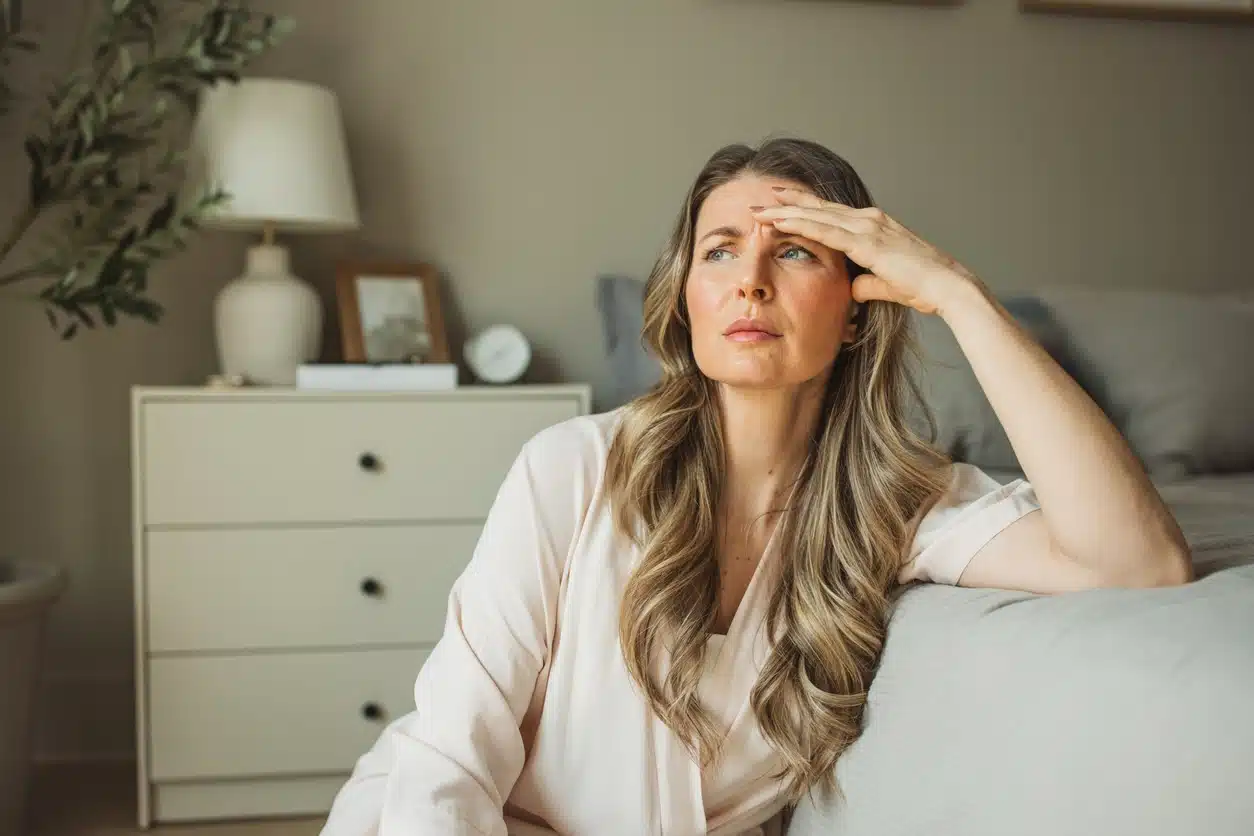
What No One Tells You About Perimenopause
At 42, I’m starting to notice changes in my body that I probably wouldn’t have connected to perimenopause a few years ago.
I’ve experienced heart palpitations. Strange electric-shock sensations under my skin. Moments when a word or thought that should be right there suddenly disappears.
And then there are the more obvious changes. My periods have become noticeably less heavy. Because I’ve previously struggled with what I experienced as estrogen-dominant symptoms, including heavy bleeding, PMS and period cramps, changes in my cycle are something I notice quickly. I previously did a Chinese medicine tea treatment that helped me get those symptoms under better control, but I also suspect that perimenopause itself is now changing the picture.
That’s one of the strange things about perimenopause.
We hear about hot flashes, night sweats and irregular periods. We don’t hear nearly as much about the woman who suddenly develops heart palpitations, can’t remember why she walked into a room, wakes at 3 a.m. for no apparent reason, develops an aching shoulder, has unbearably itchy ears, or feels as though something is crawling across her skin.
Yet the hormonal transition toward menopause can affect far more of the body than our periods.
What Is Perimenopause and When Does It Start?
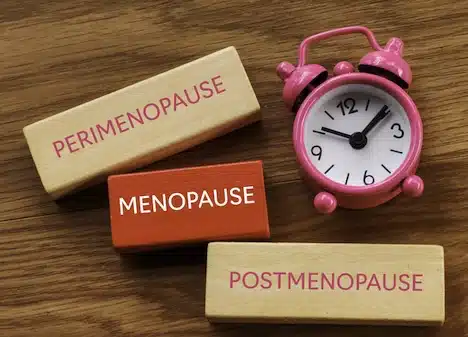
Perimenopause is the transition leading up to menopause, when ovarian hormone production begins to change and eventually menstruation stops.
It doesn’t happen overnight. Hormones such as estrogen and progesterone can fluctuate considerably during this period, which helps explain why symptoms can appear, disappear and change over time.
For many women, perimenopause begins sometime during their 40s, although it can start earlier. And you can still have regular periods while experiencing symptoms.
That last point is important. Perimenopause isn’t simply the stage when your periods become irregular. Hormonal changes can begin affecting sleep, mood, cognition, muscles, joints and other systems before your cycle makes it obvious.
The Perimenopause Symptoms Everyone Knows
Hot flashes and night sweats have practically become shorthand for menopause. Changes in menstrual cycles and mood are also widely recognized.
They’re important symptoms, but they’re only part of the story. Some of the changes women experience during perimenopause are much easier to miss because they don’t immediately seem hormonal.
Brain Fog and Memory Problems in Perimenopause
Walking into a room and forgetting why you’re there. Losing a word halfway through a sentence. Struggling to concentrate on something that normally wouldn’t require much effort. This is one I’ve started noticing myself.
Memory and concentration difficulties are recognized during the menopausal transition. Sleep disruption and stress can compound the problem, but changing hormones may also influence brain function.
For someone experiencing it for the first time, however, it can be surprisingly unsettling, especially when nobody has told you that perimenopause could be part of the explanation.
Anxiety That Seems to Come From Nowhere
Perimenopause can also affect emotional wellbeing. Some women describe becoming anxious despite never previously considering themselves anxious people. Others notice irritability, lower stress tolerance or a feeling that their nervous system simply reacts differently than it used to.
Life circumstances matter too. Our 40s can already be demanding years. But when changing hormones, poor sleep and everyday stress collide, the effect can feel very different from ordinary stress.
Why Sleep Can Suddenly Get Worse
Sleep problems aren’t always caused by waking drenched in sweat. Some women begin having difficulty falling asleep, wake repeatedly during the night, or find themselves wide awake at 3 or 4 a.m. without knowing why.
This matters beyond feeling tired the following day. Sleep influences appetite, insulin sensitivity, recovery, mood, cognition and cardiovascular health. If sleep starts deteriorating during perimenopause, I think it’s something worth addressing rather than simply accepting as part of getting older.

Protect Your Sleep
If evening light is keeping your brain switched on, blue-light-blocking glasses can help support your natural wind-down routine. I use Swanwick in the evening to reduce my exposure to artificial blue light.
Heart Palpitations During Perimenopause
This was another symptom that caught my attention personally. I’ve experienced periods of noticeable heart palpitations, and before learning more about perimenopause, hormones wouldn’t necessarily have been the first place I looked.
Palpitations are reported by women during the menopausal transition and may occur alongside hormonal fluctuations, hot flashes, stress and sleep disturbances. They’re more common than many women realize.
That doesn’t mean new palpitations should automatically be blamed on perimenopause. Heart rhythm changes can have many causes, so persistent, severe or new symptoms deserve medical evaluation. But I think women should at least know that palpitations can occur during this stage of life.
Electric Shocks, Tingling and Formication
This may be one of the strangest.
Electric shocks, tingling and formication are among the more unusual symptoms women report during perimenopause. Formication can feel like ants or insects crawling across or underneath your skin, while other women describe pins and needles, sudden tingling, buzzing or brief electric-shock sensations. Paresthesias and formication have also been documented in studies of perimenopausal symptoms.
I’ve experienced the electric-shock sensation myself, and it’s certainly not something I would previously have connected to changing hormones. That’s exactly why I think we need to talk more openly about these symptoms. If you’ve only ever been told to expect hot flashes and irregular periods, an electrical sensation shooting through your body isn’t exactly something you’re going to immediately associate with perimenopause.
Joint Pain, Frozen Shoulder and Perimenopause
Then there is the musculoskeletal side of menopause. Joint aches, stiffness and muscle discomfort can become increasingly noticeable during the menopausal transition. Frozen shoulder is another complaint that comes up repeatedly in conversations around midlife women’s health.
This matters because estrogen interacts with connective tissue, bone and muscle. Perimenopause isn’t happening only in the reproductive system. Your musculoskeletal system is part of the transition too. Joint and muscle pain are recognized symptoms of perimenopause and menopause.
Muscle Loss Can Become More Important in Midlife
One change I think deserves much more attention is muscle. Women naturally become more vulnerable to losing lean mass as they move through midlife, and the hormonal changes surrounding menopause may contribute to changes in body composition and muscle function.
This is one reason strength training becomes increasingly important rather than less important as we age. Muscle isn’t only about appearance. It supports glucose regulation, metabolic health, bone strength, mobility and independence later in life.
The muscle you build and preserve in your 40s is something your future self gets to use.
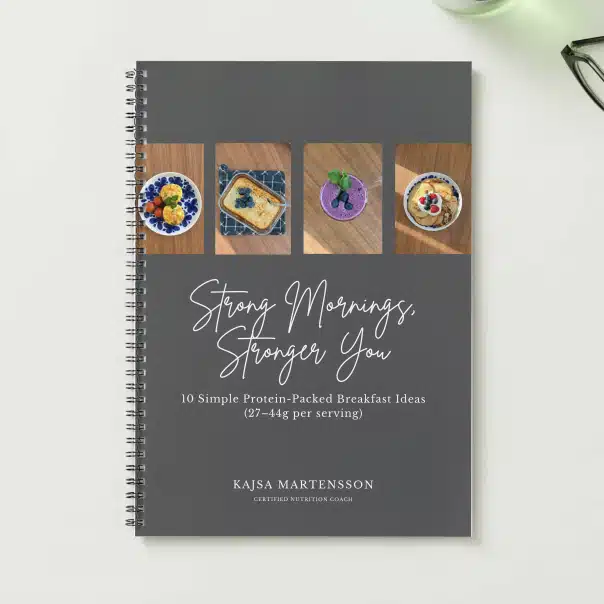
Protect Your Muscle After 40
Protein becomes even more important as we move through perimenopause and beyond. That’s one of the reasons I created Strong Mornings, Stronger You, with 10 simple high-protein breakfasts designed to help you start the day with 27–44 g of protein.
Itchy Ears, Dry Eyes and Skin Changes
And then there are symptoms that sound so random that many women would never think to connect them to perimenopause.
Itchy ears are a perfect example. Women commonly talk about suddenly developing itching inside or around their ears during this stage of life. Others notice generally itchier or drier skin, while dry eyes can seemingly appear out of nowhere.
Estrogen receptors exist throughout the body, and changing estrogen levels can affect skin hydration, collagen production and other tissues. Dry and itchy skin and dry eyes are among the lesser-known changes discussed in menopause medicine.
It’s another reminder of just how misleading the traditional picture of perimenopause can be. It’s not simply about your ovaries and your period.
Histamine Intolerance Can Suddenly Get Worse
Another experience many women report is becoming more sensitive to things they previously tolerated perfectly well. Foods may suddenly trigger symptoms. Alcohol can become harder to tolerate. Allergies may worsen or seemingly appear from nowhere. Some women find that existing histamine intolerance becomes significantly more noticeable during perimenopause.
Estrogen and histamine interact with one another, which may help explain why changing hormones can coincide with changing reactions. Whatever the exact mechanism in an individual woman, I think this belongs in the perimenopause conversation because women are experiencing it. New or worsening allergies are also among the lesser-known changes clinicians are increasingly discussing with women during this transition.
Cortisol, Cardio and the Midlife Stress Load
There’s another piece of this puzzle that deserves attention: stress.
Perimenopause can arrive during an already demanding period of life, while disrupted sleep can make the body less resilient to stress. Add large amounts of intense exercise, insufficient recovery, under-eating or everyday psychological stress, and more isn’t necessarily better. That doesn’t mean women should stop doing cardio. Far from it.
It means training should support the body rather than continually exhaust it. Strength training, walking, aerobic exercise and appropriately dosed higher-intensity training can all have a place. Recovery deserves a place too.
Why Ages 36–46 May Be a Critical Decade for Your Health
Research published in 2025 has put an interesting spotlight on the years between 36 and 46. The study followed the same people for more than 30 years and found that the health effects of lifestyle habits such as physical inactivity, smoking and heavy alcohol consumption were already becoming apparent from around age 36. Importantly, the longer these habits accumulated, the stronger their association with poorer physical and mental health later in life.
For women, I find this age window particularly interesting because it overlaps almost perfectly with the years when many of us begin experiencing the first changes associated with perimenopause.
This means that while our hormones are beginning to change, we’re also in an important period for building and protecting the things we’ll rely on later: muscle mass, bone strength, cardiovascular fitness and metabolic health.
The strength training we do now helps us enter later life with more muscle. Resistance and weight-bearing exercise support our bones. The way we eat affects metabolic health and body composition. Sleep, cardiovascular fitness, stress management and staying physically active all help shape the health we’re taking with us into our 50s, 60s and beyond.
And menopause itself changes the health landscape. Declining estrogen affects both the cardiovascular and skeletal systems and contributes to accelerated bone loss around the menopausal transition.
So perhaps one of the most important things no one tells you about perimenopause is that these years aren’t only about managing symptoms. They may also be some of the most important years for investing in the health you’ll have after menopause.
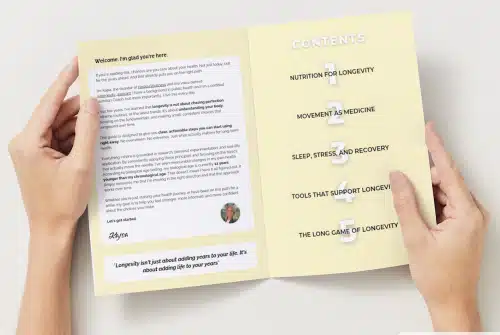
Want To Take Control Of How You Age?
Download my FREE Longevity Guide with practical strategies for supporting your healthspan, strength and wellbeing for the years ahead. You’ll also join my newsletter for weekly longevity and health inspiration.
What Actually Helps With Perimenopause Symptoms?
There isn’t one perimenopause protocol that every woman needs. But there are several foundations I would prioritize.
Strength training and regular movement become particularly valuable for preserving muscle, supporting bones, improving metabolic health and protecting cardiovascular fitness.
Nutrition may need to change too. For me, this means prioritizing enough protein, nutrient-dense whole foods, fiber, healthy fats and adequate energy rather than simply eating less because the body seems to be changing.
Sleep deserves to become a priority rather than an afterthought. If hormones are already making sleep more fragile, everything from morning light and regular sleep times to caffeine and alcohol becomes worth looking at.
Stress and recovery matter as well. You don’t necessarily need to train harder because you’re getting older. You need to give your body enough stimulus to stay strong while also giving it enough resources to adapt.
And then there is HRT.
Hormone replacement therapy can be considered during perimenopause when symptoms begin affecting quality of life. You don’t need to wait until your periods have stopped to discuss it with a healthcare professional. HRT can be highly effective for symptoms such as hot flashes and night sweats and also helps protect against bone loss.
It isn’t something every woman needs, and the appropriate treatment depends on individual symptoms, medical history and risk factors. But I think women deserve to know that it’s an option rather than simply being told to endure symptoms until menopause is over.
Lifestyle measures such as exercise, nutrition and sleep can play an important role, while HRT and other treatments are also available when symptoms require more support.
Perimenopause Is About More Than Hot Flashes
Perhaps the biggest thing no one tells you about perimenopause is how whole-body it can feel. Your period may change, but so can your sleep, memory, heart rhythm, skin, eyes, joints, muscles and even the way your nervous system responds to the world around you.
I’m only 42, so I’m experiencing this transition in real time rather than writing about it from the other side. And perhaps that’s why I’m paying such close attention.
I don’t see perimenopause as the beginning of decline. I see it as information. My body is changing, and that means the way I take care of it may need to change too.
The earlier we understand what’s happening, the more we can do to protect the decades that come after it.
Frequently Asked Questions About Perimenopause
What are the first signs of perimenopause?
Changes in menstrual cycles are common, but they aren’t always the first thing women notice. Sleep problems, mood changes, brain fog, hot flashes, breast tenderness and changes in PMS can also occur as hormones begin fluctuating.
Can perimenopause cause heart palpitations?
Heart palpitations are reported during the menopausal transition. However, because palpitations can also have causes unrelated to hormones, new or concerning heart symptoms should be evaluated rather than automatically attributed to perimenopause.
Can perimenopause cause brain fog?
Yes. Forgetfulness and difficulty concentrating are commonly reported during the menopausal transition. Hormonal changes may contribute, while disrupted sleep and stress can make cognitive symptoms worse.
Can perimenopause cause joint and muscle pain?
Joint and muscle discomfort become more common during the menopausal transition. Maintaining strength, regular physical activity and adequate recovery can become especially important during this period.
Can perimenopause cause tingling and electric-shock sensations?
Yes, women report tingling, pins and needles, crawling sensations and electric-like sensations during perimenopause. Paresthesias and skin formication have also appeared in research examining perimenopausal symptoms.
Can you take HRT during perimenopause?
Yes. HRT can be used during perimenopause, and you do not necessarily need to wait until your periods stop. Whether it is appropriate depends on your symptoms, health history and individual risks and benefits, which should be discussed with a healthcare professional.


Pingback: Cortisol and Weight Gain After 40: Why Losing Weight Can Suddenly Feel Harder - Hacks for Wellness and Health
September 2, 2026 at 3:13 pm