

Strong Legs, Strong Mind: What a Twin Study Reveals About Brain Aging
When we think about protecting our brain as we age, most people think about puzzles, supplements, or memory training. But what if one of the strongest predictors of brain health isn’t in your head at all?
A fascinating long-term twin study found that individuals with greater leg strength experienced better cognitive aging over time. Even when genetics were controlled for, the twin with stronger legs tended to show better cognitive function years later.cInterestingly, this wasn’t just reflected in performance. The study also found differences in brain structure, with greater leg strength associated with higher grey matter volume over time. This shifts the conversation in an important way. Brain health is not just about the brain. It’s about the body that supports it.
(The study followed over 300 female twins aged 43–73 over a 10-year period.)
Why Leg Strength Matters for Your Brain
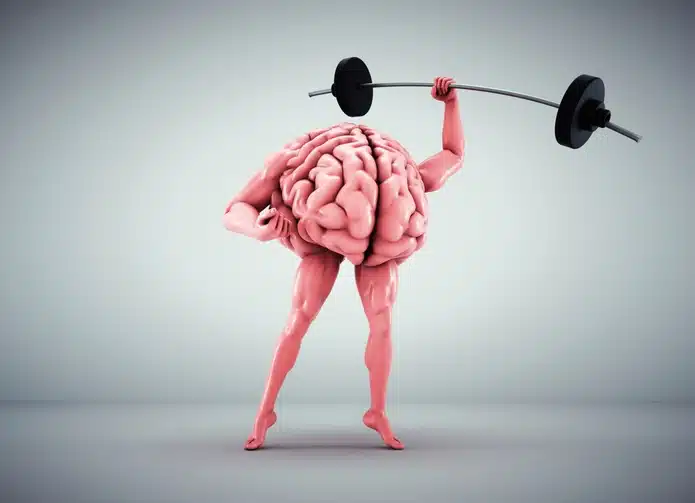
At first glance, the connection between leg strength and brain function might seem surprising. But when you look at how the body works as a system, it begins to make sense.
Stronger muscles are associated with:
• Better blood flow
• Improved insulin sensitivity
• Lower inflammation
• Higher levels of physical activity
All of these factors directly influence brain health. Movement also stimulates the release of brain-derived neurotrophic factor (BDNF), a protein that supports neuron growth and brain plasticity.
In other words, when you train your body, you are also training your brain.
What Type of Training Builds Leg Strength?
Building leg strength doesn’t require complicated programming. Movements such as squats, lunges, step-ups, and deadlifts are some of the most effective ways to develop lower body strength. The key is consistency and progressive overload, and gradually challenging your muscles over time. Even simple bodyweight exercises, when done regularly, can make a meaningful difference.
Why This Matters Even More After 40
As we move into our 40s and beyond, two important things begin to happen:
• Muscle mass naturally declines
• Risk of cognitive decline gradually increases
This is where strength training becomes one of the most powerful tools we have. Maintaining and building muscle (especially in the legs) supports:
• Hormonal balance
• Mobility and independence
• Brain function over time
For women in particular, strength training becomes essential during perimenopause and beyond, when muscle loss can accelerate.
A Personal Shift I Didn’t Expect
If I’m being honest, leg days used to be the ones I skipped. When I trained in a more traditional gym setting, it was easy to focus on upper body or cardio and avoid the heavier, more demanding lower-body work.
That changed when I started doing cross-training classes designed for women. In those sessions, there is always a strong focus on legs and core. We do squats, lunges, deadlifts, and functional movements that actually build strength. And the difference has been noticeable.
I feel stronger, more stable, and more capable in my everyday life. There’s a different kind of confidence that comes with having real leg power, not just for training, but for how your body moves and feels overall. Knowing that this may also support my brain health makes it even more meaningful.
Strength Training as a Longevity Strategy
Strength training is often talked about in terms of aesthetics, but its real value goes far beyond that.
It supports:
• Muscle preservation
• Bone density
• Insulin sensitivity
• Cognitive resilience
And importantly, it is one of the few interventions that improves multiple longevity markers at the same time. Lower-body strength, in particular, reflects how well your body can generate force, maintain balance, and move efficiently. All of which are critical for healthy aging.
Supporting Strength Through Nutrition
Building and maintaining muscle requires more than just training. Protein plays a central role in muscle repair, recovery, and growth, especially as we age. Personally, prioritizing protein has been one of the biggest shifts I’ve made in my 40s. It has improved my satiety, supported my training, and helped maintain my body composition.
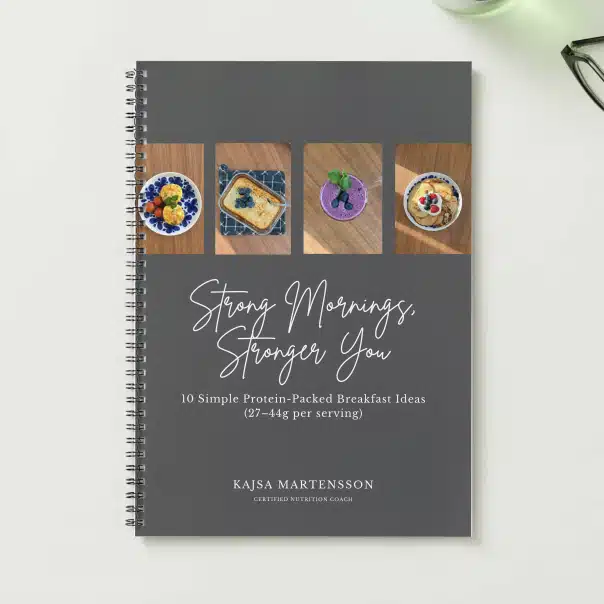
If you’re looking for simple ways to increase your protein intake, especially in the morning, I’ve put together my favorite recipes in my High-Protein Breakfast Recipe eBook.
A Simple Reminder We Often Forget
We often separate physical health and brain health into two different categories. But they are deeply connected. The way you move your body influences how your brain ages. The strength you build today supports not only how you look or perform, but how you think, remember, and function in the future.
Use It or Lose It

There’s a reason this phrase has stood the test of time. Muscle that isn’t used is lost. Strength that isn’t trained fades. And systems that aren’t challenged don’t stay resilient.
That’s why movement, especially strength training, is not optional if longevity is the goal. It’s foundational. If you want a simple reminder to stay consistent, that’s exactly the idea behind the Use It or Lose It collection that is designed to reinforce the mindset of daily movement and strength.
Final Thoughts
The twin study reinforces something powerful: Your future brain health is not only shaped by genetics or supplements, it is shaped by how you use your body. Strong legs are not just about physical strength. They are a signal of a body that is active, resilient, and well-supported. And that is exactly the kind of body that ages well.

