

Why Protein Is on Everyone’s Lips — And Why It Matters Even More After 40
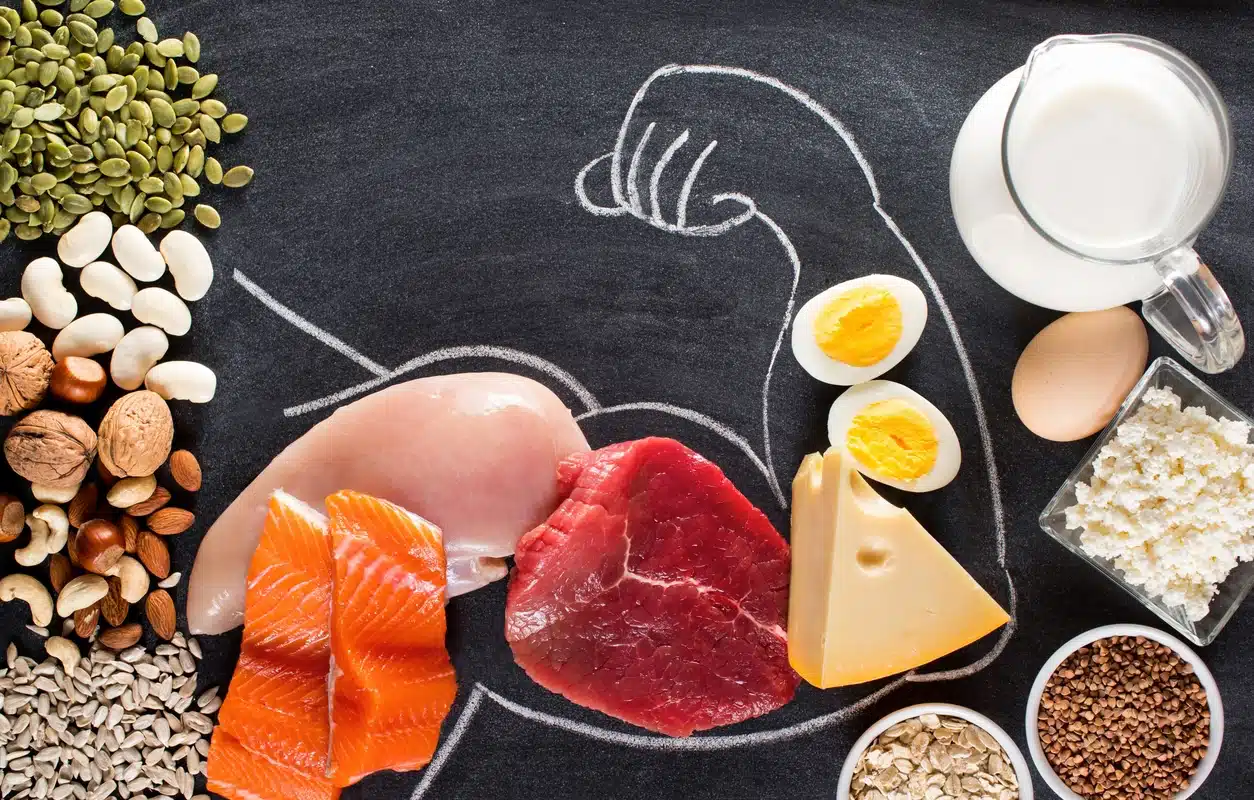
If you follow any health or fitness conversation right now, you’ve probably noticed one nutrient dominating the discussion: protein. Protein is no longer just associated with bodybuilders or athletes. It has become one of the most researched and discussed nutrients in longevity science, metabolic health, and healthy aging — and for good reason.
While protein is important at every stage of life, its role becomes increasingly critical as we move into our 40s and beyond. This is when the body naturally begins to lose muscle mass, metabolic flexibility can decline, and bone density becomes more vulnerable to age-related changes.
Over the past few years, protein has become one of the biggest cornerstones of my own health strategy. Since prioritizing protein in every meal, I’ve noticed significant improvements in satiety, strength performance, and body composition. Combined with consistent strength training, it has completely changed how my body responds to training and recovery.
The Age-Related Muscle Loss Most People Don’t Notice
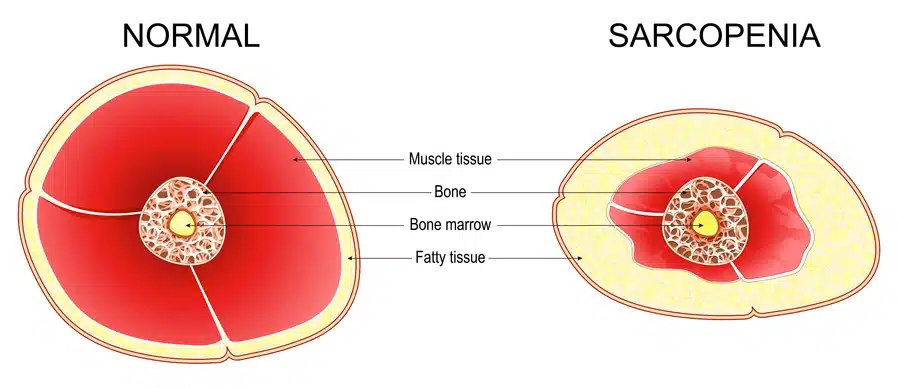
One of the biggest reasons protein becomes so important with age is the gradual loss of muscle mass, known as sarcopenia. This process can begin as early as our 30s but tends to accelerate during midlife, particularly in women experiencing hormonal shifts.
Muscle is not only about strength or aesthetics. It plays a central role in metabolic health, glucose regulation, mobility, injury prevention, and even longevity. Lower muscle mass is associated with increased risk of chronic disease, frailty, and reduced quality of life later in life.
Adequate protein intake, combined with resistance training, is one of the most effective ways to slow or even reverse this decline.
Protein and Bone Health: A Missing Piece in Osteoporosis Prevention
When we talk about bone health, calcium often takes center stage. But protein is just as important, and often overlooked. Protein contributes to bone structure, supports collagen formation, and helps maintain the matrix that gives bones strength and resilience. Emerging research shows that adequate protein intake is associated with improved bone density and reduced fracture risk, especially when combined with strength training.
For women over 40, when osteoporosis risk gradually increases, protein intake becomes a key nutritional strategy for long-term skeletal health.
The Protein Leverage Hypothesis: Why Protein Helps Control Appetite
One fascinating concept that explains protein’s impact on appetite is the protein leverage hypothesis. This theory suggests that humans have a strong biological drive to meet their protein requirements. When protein intake is too low, the body may encourage continued eating until sufficient protein is consumed.
In practical terms, this means low-protein meals often lead to increased snacking, cravings, and overeating later in the day. Higher-protein meals, on the other hand, tend to increase satiety, stabilize blood sugar, and reduce overall calorie intake naturally.
This has been one of the most noticeable changes I’ve personally experienced. When I started building my meals around protein, my cravings decreased significantly, and my energy levels became far more stable throughout the day.
Protein Bioavailability: Why Source Quality Matters
It’s important to understand that not all protein sources are equal when it comes to how efficiently the body can absorb and use them. Animal-based proteins such as eggs, fish, meat, and dairy generally provide complete amino acid profiles and tend to have higher bioavailability. This means the body can more easily utilize them for muscle repair, hormone production, and immune function.
Plant-based proteins can still contribute valuable nutrients, but they often require more careful combination to achieve complete amino acid coverage. For me, focusing on high-quality, minimally processed protein sources has made a noticeable difference in recovery, strength performance, and overall satiety.

Protein and Metabolic Health
Protein also plays a powerful role in metabolic regulation. It helps preserve lean muscle mass, which supports insulin sensitivity and glucose metabolism. Higher protein intake is often associated with improved body composition and more stable energy levels.
As metabolic health becomes increasingly important during midlife, prioritizing protein can help support blood sugar stability and reduce the risk of metabolic dysfunction.
My Personal Protein Strategy
As I entered my 40s, I made a conscious shift to prioritize protein in every meal. Today, I aim for approximately 1.6–2.2 grams of protein per kilogram of body weight, a range supported by research for individuals focused on muscle maintenance and body composition.
Since making this shift, I’ve noticed several meaningful changes. My meals keep me full for longer, my strength training performance has improved, and my body composition has changed significantly. I also experience better recovery after training sessions and a more consistent energy level throughout the day.
Rather than viewing protein as a single macro to track, I now see it as a foundation that supports nearly every aspect of health and longevity.

Support Muscle & Strength Beyond Protein
While protein lays the foundation for muscle maintenance, creatine can further support strength, performance, and lean mass — especially for women over 40.
I personally use creatine as part of my longevity and strength protocol. It’s one of the most well-researched supplements for muscle preservation and cognitive support.
👉 I use Creatine from DoNotAge.org. You can use my code KAJSA for 10% off.
How Much Protein Do Women Over 40 Actually Need?
Protein requirements tend to increase with age due to reduced muscle protein synthesis, hormonal changes, and a greater need to preserve lean muscle mass.
Research increasingly suggests that women over 40 benefit from higher protein intake compared to standard dietary guidelines. For active women focused on strength, body composition, and longevity, many experts recommend roughly 1.2–2.2 grams of protein per kilogram of body weight, depending on activity level and training intensity.
Personally, I aim toward the higher end of that range, particularly because I strength train regularly. Prioritizing protein intake has helped me maintain muscle, improve recovery, and support metabolic health as I move through midlife.
Rather than consuming most protein in one meal, distributing protein evenly throughout the day appears to support muscle maintenance more effectively.
Why Protein Becomes Even More Important During Perimenopause and Menopause
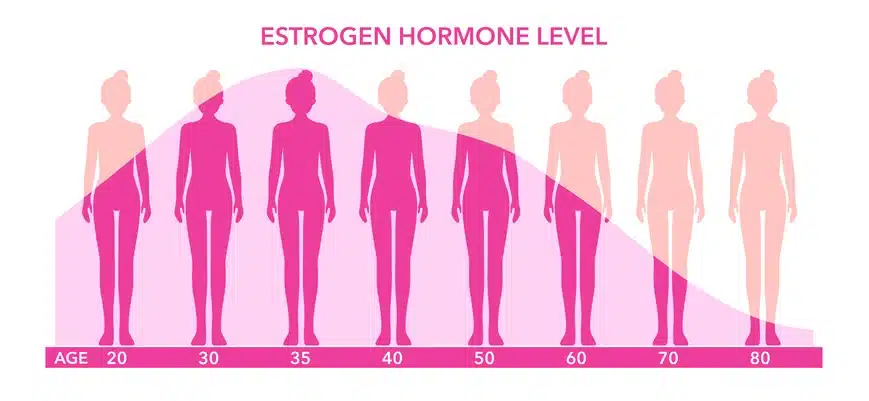
Hormonal transitions during midlife can influence body composition, fat distribution, and muscle retention. Declining estrogen levels are associated with increased muscle loss and changes in metabolic function.
Higher protein intake, alongside resistance training, helps counteract these changes by supporting muscle protein synthesis and metabolic resilience. For many women, increasing protein intake can be one of the most effective strategies for maintaining strength, confidence, and energy during hormonal transitions.
Protein and Longevity: More Than Just Muscle
Beyond muscle and metabolism, protein supports immune health, hormone production, enzymatic reactions, and tissue repair. Adequate protein intake is associated with improved resilience against illness, better recovery from physical stress, and maintenance of functional independence later in life.
In longevity research, preserving lean muscle mass is one of the strongest predictors of healthy aging and overall lifespan.

